
How to Perform a Breast Self Exam at Home: A Step-by-Step Guide
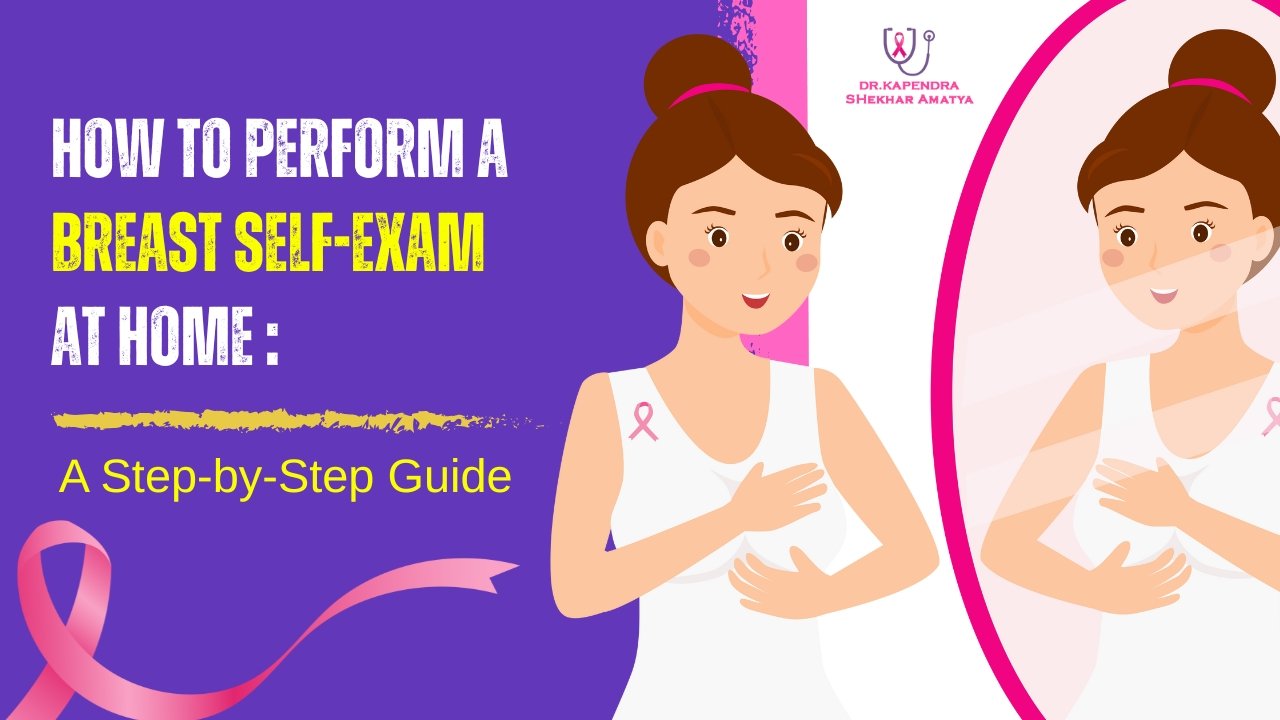
Introduction Breast cancer remains one of the most common cancers among women worldwide. Early detection saves lives. One of the most effective ways to catch early warning signs is through regular breast self exams. As a practitioner of integrative medicine, I, Dr. Kapendra Shekhar Amatya, encourage every woman to become familiar with her body. Understanding what is normal for your breasts can help you recognize changes early and seek timely medical advice. This guide offers a simple, clear, and medically-informed approach to performing a breast self exam at home. Why Breast Self Exams Matter? While mammograms and clinical exams are essential, self-exams empower women to monitor their own health. Here’s why they matter: When to Perform a Breast Self Exam? Timing matters. The best time to do a breast self exam is a few days after your menstrual cycle ends, when breasts are least likely to be swollen or tender. If you’re not menstruating, pick a consistent day each month. Step-by-Step Guide to a Breast Self Exam Step 1: Look at Yourself in the Mirror Stand topless in front of a mirror with your arms at your sides. Observe your breasts for: Next, raise your arms above your head. Check again for the same signs. Then, place your hands on your hips and press firmly to flex your chest muscles. Look for any asymmetry or unusual contouring. Step 2: Use the Shower Technique Many women find it easiest to do the physical exam in the shower because the skin is slippery. Check both breasts thoroughly. Step 3: Lie Down for a Deeper Check Lie flat on your back. This spreads the breast tissue more evenly. Repeat the same process for the left breast. Step 4: Check the Armpits Breast tissue extends into the armpit area. With your arm slightly raised (not straight up), use small circles to feel for lumps or thickening in the underarm region. What to Look For Here are signs that should prompt a visit to your doctor: Most breast changes are not cancer, but it’s always best to have them evaluated. Common Myths About Breast Self Exams How Often Should You Perform a Breast Self Exam? Once a month is the general recommendation. Consistency helps you become more aware of subtle changes. Mark a date on your calendar or set a reminder on your phone. The Role of Clinical Exams and Mammograms Self-exams are valuable but not a replacement for professional screenings: Follow national or regional guidelines on when to begin mammograms. Generally, women aged 40 and above should begin regular screening unless advised otherwise by a healthcare professional. Integrative Health Approach by Dr. Kapendra Shekhar Amatya As a homeopathic and integrative medicine practitioner, I believe prevention is the best cure. At my clinic, we support women in: Empowerment begins with knowledge. I encourage every woman to take her health seriously by practicing self-awareness and seeking regular medical care. Final Thoughts A breast self exam takes just a few minutes but can have a life-saving impact. Make it part of your monthly routine. If you find anything unusual, don’t panic but don’t delay consulting a healthcare professional. Frequently Asked Questions (FAQs) 1: Can men get breast cancer? Yes, although rare, men can also develop breast cancer. Self-awareness is important for everyone. 2: Is breast pain a sign of cancer? Not usually. Most breast pain is related to hormonal changes. However, persistent or localized pain should be checked. 3: What age should I start doing self-exams? Women should begin in their 20s. It builds awareness and encourages responsibility for your own health. Share This Guide If you found this guide helpful, share it with friends, sisters, mothers, or daughters. Let’s build a culture of awareness and proactive health. Stay informed. Stay empowered.