Does Breast Size Affect Breast Cancer Risk? Myth vs Medical Facts

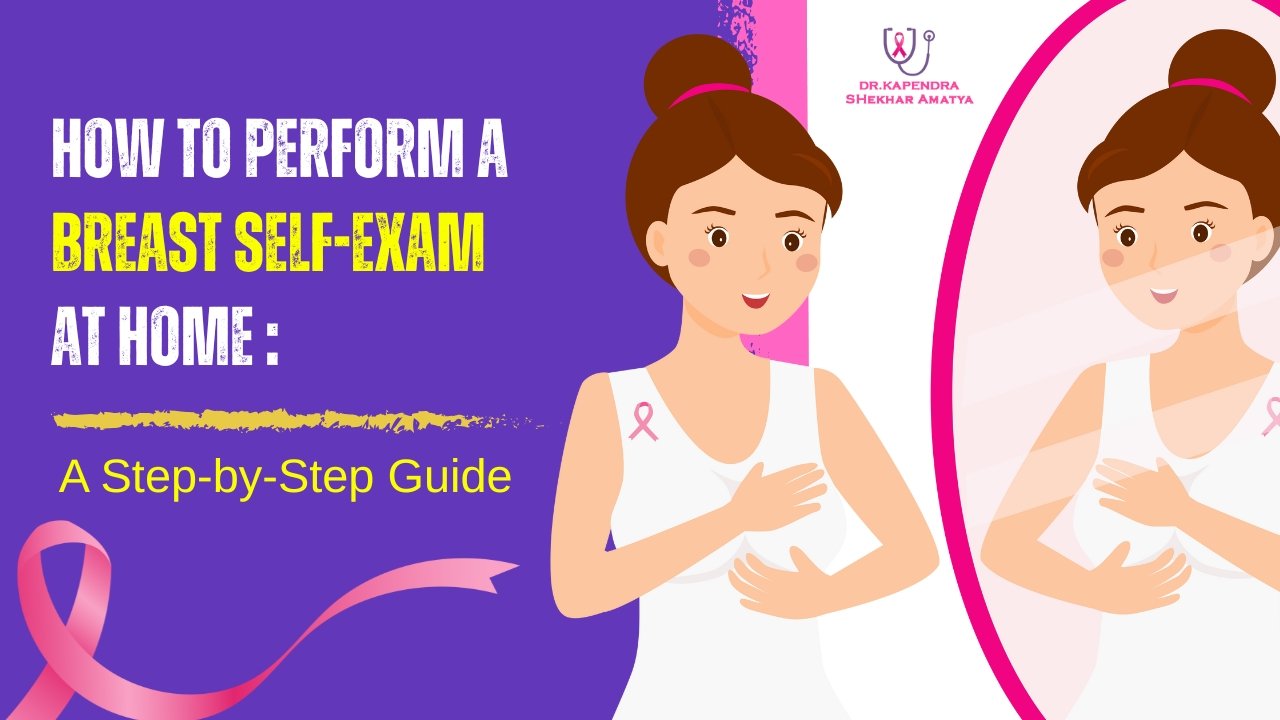
Many people are curious whether Breast Size Affects Breast Cancer Risk, especially after hearing myths like “small breasts do not get cancer” or “large breasts are more dangerous.” The medical answer is clear: breast size itself is not a proven direct cause of breast cancer. Breast cancer risk depends more on age, genetics, family history, hormones, breast density, lifestyle, body weight, reproductive history, and previous breast conditions. A small breast can develop cancer. A large breast can develop cancer. Breast size should never be used to decide whether symptoms are serious. For anyone noticing a lump, nipple change, skin dimpling, discharge, swelling, or persistent pain, the right step is to consult a qualified breast doctor, breast surgeon, or breast cancer specialist for proper evaluation. Does Breast Size Affect Breast Cancer Risk? No, breast size alone does not determine breast cancer risk. What matters more is the type of breast tissue, not the outer size. For example, dense breast tissue is a known risk factor and can also make cancer harder to detect on mammograms. The American Cancer Society notes that women with dense breast tissue have a higher risk of breast cancer compared with women with less dense breast tissue. This is why medical experts focus on risk factors, symptoms, imaging, biopsy when needed, and timely care, not cup size. Why This Myth Is Common The myth often comes from a misunderstanding between breast size and breast density. They are not the same. Term Meaning Does it affect risk? Breast size Outer size or cup size of the breast Not a proven direct risk factor Breast density Amount of glandular and fibrous tissue seen on mammogram Yes, higher density is linked with higher risk Breast weight Overall tissue and fat volume Not used alone to calculate risk Breast symptoms Lump, discharge, skin change, nipple change Needs medical evaluation A person with small breasts can have dense breast tissue. A person with large breasts may have mostly fatty tissue. You cannot know breast density by looking or touching. It is usually reported through a mammogram. Breast Size vs Breast Density: What Is the Real Difference? Breast size is visible from the outside. It is influenced by fat, genetics, body weight, pregnancy, breastfeeding, hormones, and age. Breast density is different. It describes how much fibrous and glandular tissue is present compared with fatty tissue. Dense breast tissue matters for two reasons: Cancer Research UK reports that breast cancer risk is higher in women with the most dense breasts compared with women with the least dense breasts. So, the real medical question is not “Are my breasts small or large?”The better question is: What is my personal breast cancer risk, and do I need screening? What Actually Increases Breast Cancer Risk? Breast cancer is caused by changes in breast cells. These changes may happen due to many factors. Some risk factors cannot be changed. Others can be reduced through lifestyle and screening choices. Major breast cancer risk factors Risk factor Can it be changed? Why it matters Increasing age No Risk rises as people get older Being female No Most breast cancers occur in women Family history No, but risk can be managed May suggest inherited gene risk BRCA1/BRCA2 mutations No, but testing helps Strongly increases lifetime risk Dense breasts Not easily Increases risk and can reduce mammogram sensitivity Previous breast cancer No Raises chance of future breast cancer Alcohol use Yes Linked with increased breast cancer risk Obesity after menopause Yes Affects hormone levels and inflammation Physical inactivity Yes Linked with higher risk Hormone therapy Sometimes Some types may increase risk Not breastfeeding Depends Breastfeeding may slightly reduce risk The CDC explains that breast cancer risk is due to a combination of factors, with being a woman and getting older among the main influences. Does Having Small Breasts Lower Breast Cancer Risk? No. Small breasts do not make someone immune to breast cancer. This is an important message because people with small breasts may ignore symptoms, delay screening, or assume a lump is harmless. Breast cancer starts from abnormal breast cells. These cells can exist in small or large breasts. A small breast may make some lumps easier to notice by touch, but that does not mean the risk is zero. Any new lump or unusual change should be checked. Do Large Breasts Increase Breast Cancer Risk? Large breast size alone is not considered a direct breast cancer risk factor. However, some factors that may be associated with larger breast size can influence risk indirectly. For example, higher body weight after menopause is associated with increased breast cancer risk. Also, in larger breasts, small lumps may be harder to feel early. This is why awareness and appropriate imaging are important. The Breast Cancer Research Foundation states that breast size is not a proven breast cancer risk factor, although related factors such as BMI and detection challenges can influence individual risk and diagnosis. Why You Should Not Judge Risk by Appearance Breast cancer does not follow appearance-based rules. It can occur in: WHO states that approximately 99% of breast cancers occur in women and 0.5–1% occur in men. This means breast cancer awareness should not be limited by gender, age assumptions, or breast size myths. What Are the Most Common Warning Signs of Breast Cancer? The most common symptom of breast cancer is a new lump or mass, although most breast lumps are not cancer. The American Cancer Society notes that a painless, hard mass with irregular edges is more concerning, but breast cancer can also feel soft, round, tender, or painful. Common signs to watch for Warning sign What it may look or feel like New lump A new hard, soft, painful, or painless lump Skin dimpling Skin pulling inward like an orange peel texture Nipple change Nipple turning inward, scaling, or changing shape Nipple discharge Bloody or unusual discharge, especially from one side Breast swelling Swelling in part or all of the breast Persistent pain Pain that does not go … Read more