Breast Cancer Awareness Month: 3 Important Reasons to Seek a Second Opinion – From Dr. Kapendra

October Breast Cancer Awareness Month

Breast Cancer Awareness Month Breast Cancer Awareness Month—Every October, the world unites in pink to observe Breast Cancer Awareness Month—a time focused on raising awareness, encouraging early detection, and supporting those affected by breast cancer. At Nepal Cancer Hospital, Dr. Kapendra, a renowned surgical oncologist, leads this mission with dedication, care, and hope for patients and families across Nepal. This October, he is offering free breast cancer consultations throughout the month, with special emphasis on the importance of second opinions for anyone facing a breast cancer diagnosis. His goal is to ensure that each patient receives clarity, confidence, and compassionate guidance. Understanding Breast Cancer: Why Awareness Matters Breast cancer is the most common cancer among women worldwide. In Nepal, thousands of women are diagnosed every year—but many cases are detected late due to a lack of awareness, stigma, or limited access to medical services. Awareness goes far beyond wearing pink—it saves lives. Regular breast self-examinations Clinical screenings Timely checkups These are key to early detection, which greatly improves treatment outcomes. This October, Nepal Cancer Hospital is encouraging all individuals—especially women over 40—to make breast health a priority. A few minutes today could lead to early diagnosis and life-saving care. https://www.who.int/news-room/fact-sheets/detail/breast-cancer The Value of a Second Opinion in Breast Cancer A breast cancer diagnosis can feel overwhelming, and decisions about treatment are often difficult. In these moments, a second opinion is not just helpful—it can be life-changing. A second opinion offers: Clarity: Better understanding of the diagnosis Confidence: Reassurance about the recommended treatment plan Options: Awareness of alternative or less invasive therapies Sometimes, what seems like a complex condition may have a simpler approach—or a better-suited treatment. For this reason, Dr. Kapendra strongly encourages patients to speak with more than one specialist before choosing treatments like surgery, chemotherapy, or radiation. With years of experience and a patient-first approach, Dr. Kapendra and his team at Nepal Cancer Hospital provide respectful and thorough reviews of diagnoses and treatment plans, helping every individual feel informed and empowered in their journey. Free Breast Cancer Consultations Throughout October In honor of Breast Cancer Awareness Month, free consultations are available to all breast cancer patients and individuals with concerns about breast health. Details: Location: Nepal Cancer Hospital, Harisiddhi, Lalitpur Duration: Entire month of October Who can visit: Women of all ages, especially those with symptoms, family history, or questions about ongoing treatment Booking: Call the hospital helpline or visit the official website to schedule an appointment This initiative removes financial and emotional barriers that often prevent people from seeking timely medical advice. Dr. Kapendra’s Message of Hope and Support “To every woman, daughter, mother, and sister: your health matters. Breast cancer is not a death sentence—when caught early and treated correctly, it is often curable,” shares Dr. Kapendra, who has devoted his life to helping cancer patients find hope, healing, and strength. He believes no one should go through this journey alone. Access to accurate information, expert guidance, and emotional support are essential. His doors remain open to every patient, with a promise of dignity, respect, and compassionate care. If you’re facing uncertainty, concerned about a symptom, or seeking reassurance, this is the time to act. Take Action: Book Your Free Consultation Today October is not just about awareness—it’s about action. If you or someone you love needs support, don’t delay. A simple consultation could change everything. Visit Nepal Cancer Hospital or call today to schedule your free consultation with Dr. Kapendra, Surgical Oncologist, for early breast cancer detection and expert guidance. Let’s fight breast cancer together—with awareness, compassion, and expert care.
Stomach Cancer Awareness in Nepal: Symptoms, Causes, and Prevention

Stomach Cancer

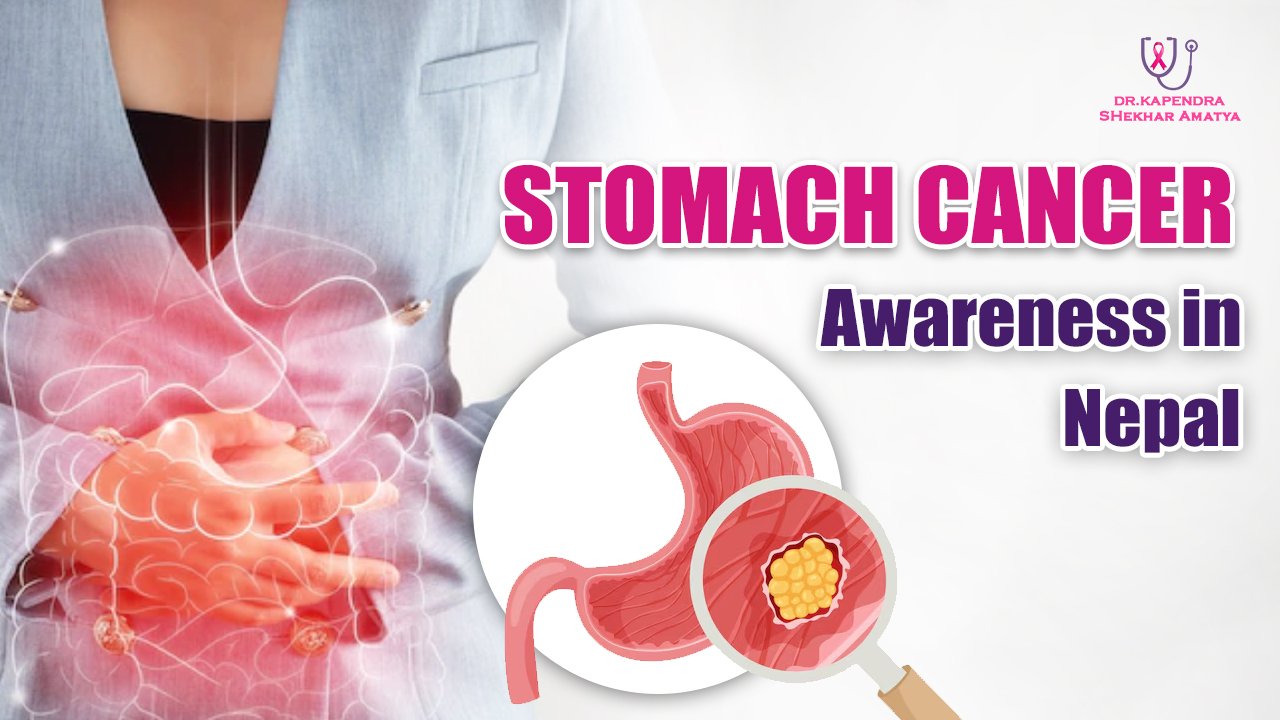
Stomach cancer, also known as gastric cancer, is a pressing health concern in Nepal. Many individuals remain unaware of its early symptoms and potential risk factors, which can lead to late-stage diagnoses and limited treatment options. By spreading awareness and focusing on prevention strategies, we can work towards reducing the burden of stomach cancer in Nepal. This blog, created to support those seeking information on stomach cancer awareness, will guide you through the symptoms, causes, and prevention strategies for this condition, with expert advice from Dr. Kapendra Shekhar Amatya. Introduction to Stomach Cancer in Nepal Stomach cancer develops when abnormal cells grow uncontrollably in the stomach lining. While it can occur anywhere globally, factors such as dietary habits, limited healthcare access, and infections like H. pylori make it particularly concerning in Nepal. According to global health data, gastric cancer is one of the leading causes of cancer-related deaths. In Nepal, the consumption of preserved, salty foods and the prevalence of untreated H. pylori infections contribute to a growing number of cases. Dr. Kapendra Shekhar Amatya stresses the importance of early diagnosis and prevention in combating this disease. Why Stomach Cancer Awareness Matters Many people in Nepal attribute stomach cancer symptoms to common gastrointestinal issues, delaying necessary medical attention. Early detection is crucial because treatments for advanced stages, such as chemotherapy and surgery, are far more complex and costly. By raising awareness about symptoms, causes, and preventative measures, we can encourage early medical intervention, potentially saving lives. Key Symptoms of Stomach Cancer Recognizing the symptoms of stomach cancer early can make all the difference. Be vigilant for these warning signs: If you or a loved one in Nepal experiences these symptoms persistently, seek medical advice immediately. Dr. Kapendra and his team are well-equipped to assist with early diagnosis and management. Major Causes of Gastric Cancer in Nepal Several factors contribute to stomach cancer. Below are the most common causes: Addressing these causes through lifestyle changes and timely treatment can dramatically lower the incidence of gastric cancer in Nepal. How to Prevent Stomach Cancer: Tips for Nepali Residents Preventing stomach cancer is achievable with simple, proactive measures. Here’s what you can do: 1. Adopt a Healthy Diet 2. Stop Smoking and Limit Alcohol 3. Seek Treatment for H. pylori Infections     Consult a healthcare professional if diagnosed with H. pylori. Early treatment can prevent long-term damage. 4. Regular Medical Check-Ups 5. Maintain a Healthy Lifestyle     Engage in regular exercise to manage weight and boost immunity.      Avoid stress, which negatively impacts overall health. The Importance of Regular Screening in Nepal Many individuals in Nepal delay medical check-ups due to cost or lack of awareness. However, regular screenings are vital for early detection. Endoscopy, for instance, can identify abnormalities in the stomach lining before they progress into cancer. Dr. Kapendra emphasizes the availability of advanced diagnostic and treatment options. Expert Advice from Dr. Kapendra Shekhar Amatya As one of Nepal’s leading healthcare professionals, Dr. Kapendra Shekhar Amatya has extensive experience in diagnosing and treating gastric disorders. He is dedicated to spreading awareness about stomach cancer and providing patients with personalized care plans. You can trust Dr. Kapendra’s expertise for a thorough evaluation of your risk factors and a tailored prevention strategy.  Final Thoughts Stomach cancer is a preventable and treatable condition if diagnosed early. By recognizing symptoms, addressing risk factors, and adopting healthy habits, individuals in Nepal can significantly reduce their risk. Dr. Kapendra Shekhar Amatya urges everyone to prioritize their health by scheduling regular check-ups and making informed lifestyle choices. 

Best Breast Cancer Doctor in Kathmandu

Best cancer doctor in Nepal

The best cancer doctor can be termed as someone who empower their patients by providing education and resources that enable them to take charge of their health. They emphasize the significance of preventive care and offer advice on healthy lifestyle decisions. They also educate their patients about their medical conditions and how to successfully manage them, resulting in better health outcomes. What does the best cancer doctor mean ? The best doctor can be differentiated based on qualities such as preference; what you want your doctor to have or the type of cancer you have (medical needs), and your expectations. Besides these qualities, the doctor should possess qualities such as: Expertise and Experiences This includes the diagnosis and treatment required for the type of cancer. When one is more familiar with the type of diagnosis and disease, the use of standard guidelines and research in the work is more efficient with experience. This results in quality services and patient-centered care. Experiences on other hand, are more equivalent to the patient as they can build trust on this basis. Patient health outcomes are also associated with better patient safety and better health with satisfaction. Communications Skills Active listening and empathy go hand in hand and are added concerning the patients. Being a cancer doctor is an element required for improved health outcomes and one of the important aspects as patients often regard physicians as a source of psychological support. For example, Florence nightingale believed that presence with the client is a keystone in making professional communication. Willingness to Explain Depending on the type of cancer, various treatment options are available, however, a doctor needs to have a bullet that explains and makes clear and understandable answers to the patient. Patients are sometimes reluctant to have their health conditions tested. Therefore, they lock up, neglected, or reject to get treatment further. This is the condition, where their experience of communication skills is effective. Consequently, doctors should adopt and show a quality willingness to explain the condition more properly and understandably. this way patient willingness increases to look forward to improving their health. yet, Untrust, and thoughts, can have the reverse outcome. But it is said that words sometimes speak more than action. Sometimes powerful words or a form of speech from doctors can have a positive impact on patients, their trust, and their thoughts. When patients build trust in doctors, it is much easier for them to treat and cure diseases especially, in fearful cases such as cancer. There is a fear of what might happen when one has cancer. This fear can be reduced and transformed into positivity is deep for a cancer patient. Availability and Accessibility Availability and accessibility are crucial factors that determine, how the doctor is the best. It is stated that a doctor is called God for all those who are sick and the effort of work they make is evident that there is a relationship between improved health outcomes and increased patient involvement. This is because it will enable the doctor to be more accountable to the public. To illustrate, the ability and accessibility, especially during the critical stage of the treatment meet the needs of the patients and thus the quality of the service and increase the patient visit, which, as the result can determine the quality required for the doctor to be the best. Collaboration Approach to Care The collaborative approach to care involves working within a multidisciplinary team. Team collaboration is another important factor after communication. As for increased collaboration, the doctors are interacting on a personal level, sharing ideas about the patient, and about the treatment option as a form of closing the communication gap. In addition, when a multidisciplinary team is present, it forms an easier environment to work as well as it makes it easier for patients to have patients centered care and services with the multidisciplinary team, particularly specialists. It provides patients with the best possible treatment plan. How to find the best cancer doctor? The first recommendation we receive is from friends and family regarding a new doctor. While some intense friends and family frequently have strong feelings about doctors, they might have experienced them positively. Yet in some cases, those feelings are rarely supported by proof. There are some steps we can all take to make more informed choices about our doctors. The first step is to make sure your practitioner is board-certified. The next step is to guarantee that your doctor has an unrestricted medical license and to conduct quality-control research. These can determine how a doctor is however, cost and quality measures, services good standing with his or her state medical experiences is more likely to be a good doctor. Who is the best cancer doctor? Dr. Kapendra Shekhar Amatya, a surgical oncologist has expertise in breast and gastrointestinal surgery. He is medically certified in MBBS with a full scholarship in 1999 from Beijing Medical University, China. Additionally, being a Medical Officer in the department of surgery at Bir Hospital and B.P. Koirala Memorial Hospital is one of the aspects to be the best doctor. Furthermore, his work as a Full-time Registrar in the Department of Surgical Oncology, B.P. Koirala Memorial Cancer Hospital, Bharatpur, Chitwan, and with 7 years of part-time and full-time surgical oncologist experience in the National Cancer Hospital and Bhaktapur Cancer Hospital is of benefit. Presently working as the Consultant Surgical Oncologist and Head of Department (Department of surgical oncology) at Nepal Cancer Hospital and Research Center, since March 2015. He received training in Oncoplastic Breast Cancer Surgery in Thailand and Laparoscopic Gastric Cancer Surgery in South Korea. and has been doing surgeries like D2 Gastrectomy for Stomach Cancer, Extended Colectomies in Colon Cancer, TME for Rectum Cancer, and Whipple’s Surgeries for Pancreas and Duodenum Cancer. This experience in treating more than 3050 cases of Breast Cancer, 200 cases of Stomach Cancer, 1500 cases of Colon & Rectal Cancer, and 700 cases of Urinary Bladder Cancers, Kidney Cancers, and many other cancer surgeries can state him the best doctor in Nepal. MS (NMC Regd.2902) Dr.Kapendra Shekhar Amatya … Read more

4 Risk for Breast Cancer

Risk for Breast Cancer

There are many things that you can do to lower your risk for breast cancer. Women’s age, genetics, and being a woman are some of the characteristics associated with breast cancer. It is possible to change other factors, such as being overweight, not exercising, smoking, and eating unhealthy foods, by making choices. Your cancer risk can be reduced by choosing the healthiest lifestyle options possible. Breast cancer will strike some women even if they don’t have any known possibility factors. The presence of a risk factor does not guarantee that you will develop the disease, and not every risk factor has the same impact. The majority of women have some risk factors, but they don’t get cancer. Risk Factors for breast cancer that Can’t Be Changed: Here is a 4 risk factors for breast cancer that you can’t control: Growing older As per age, our risk of developing breast cancer increases. A breast cancer diagnosis is most likely to occur after 50 years of age. Mutations in genes Breast and ovarian cancer risk is higher for women with certain gene mutations, including BRCA1 and BRCA2. The reproductive history of an individual Breast cancer risk increases for women who begin menstruating before the age of 12 and undergo menopause after the age of 55. Breasts that are dense Mammograms can sometimes be difficult to read because dense breast tissue has more connective tissue than fatty tissue. Breast cancer is more likely to occur in women who have dense breasts. Having breast cancer or a non-cancerous breast disease in the past A woman with a history of breast cancer is more likely to develop the disease again. Getting breast cancer is associated with conditions such as atypical hyperplasia or lobular carcinoma in situ, which are not cancerous. An ovarian or breast cancer history in the family Women with a mother, sister, daughter, or multiple relatives with breast or ovarian cancer on either their mother’s or father’s side are more likely to develop breast cancer. Breast cancer is also more likely to occur in women with first-degree relatives who have the disease. Radiation therapy treatment in the past In women who received chest or breast radiation therapy before age 30, their chances of developing breast cancer later on are higher. The drug diethylstilbestrol exposure In the United States, DES was given to some pregnant women to prevent miscarriage between 1940 and 1971. DES is associated with increased risk in women who take it while pregnant or in their mothers who take it while pregnant. Factors that grow Risk for Breast cancer? Here is a 5 risk factors for Breast cancer that make you sick. A lack of physical activity Breast cancer is more likely to occur in women who are not physically active. Your risk of getting breast cancer can be lowered if you are physically active. Obesity after menopause or being overweight: In older women with obesity or overweight, the risk of breast cancer is higher than in women with a healthy weight. The use of hormones: It is possible for some hormone replacement therapies taken during menopause to increase risk when taken for more than five years. The risk of this cancer has also been found to be increased by certain oral contraceptives. History of reproductive health: It is possible to be at risk if you become pregnant after age 30, are not breastfeeding, and never give birth to a full-term baby. Alcohol consumption: Alcohol consumption is linked to an increased risk of cancer in women. The risk of breast cancer is also increased by other factors such as smoking, being exposed to cancer-causing chemicals, and working night shifts. What to do If You’re at High Risk for Breast Cancer? A prevention, screening, and risk-reduction evaluation will be developed together with your healthcare provider if you are at high risk of breast cancer. A breast MRI may be recommended in addition to additional screenings, or a referral to a breast specialist might be appropriate. In addition to genetic risk evaluations, counseling, and testing on site, women at increased risk of cancer can also get screening and preventative options. Screening for breast cancer early with a mammogram is the most important step. In high-risk women, your provider may recommend additional screenings, such as breast MRI screenings, in addition to a yearly mammogram. Radiologists can see parts of the breast that may not be visible with other imaging tests on the basis of breast MRIs, which require IV contrast and use strong magnets instead of radiation. How to Lower The Risk for Breast Cancer There are certain risk factors that cannot be modified, yet choosing the healthiest lifestyle options can reduce your risk as much as possible. These include: Taking steps to reduce your breast cancer risk is possible. Discuss how you can reduce your chances of developing breast cancer with your healthcare provider and identify your lifetime risk. When to See an Oncologist in Nepal? If you have any of the risk factors for breast cancer, and also observe the symptoms, it is suggested to consult with the best surgical oncologist in Nepal. The best breast cancer surgeon in Nepal will then go through certain tests and let you know about the outcomes. The top breast cancer doctor in Nepal will also help you in each and every phase of your breast cancer treatment. According to the top surgical oncologist in Nepal, Dr. Kapendra Shekhar Amatya, you must be able to share every problem during your treatment procedure to make it much more convenient. MS (NMC Regd.2902) Dr.Kapendra Shekhar Amatya Head of the Department, Sr.Consultant Surgical Oncologist at Nepal Cancer Hospital and Research Center Director: Breast Cancer Program Interest: Breast Cancer Surgery, Gastro Intestinal Cancer Surgery (Stomach and Colo-Rectal Cancer) Consult now

5 Symptoms of Breast Cancer

Symptoms of Breast Cancer

In this article, I will discuss many symptoms of breast cancer with you. According to the type of breast cancer you have, you may experience different symptoms. There is no doubt that many breast cancer patients have lumps, but not everyone does. Therefore, you should be aware of the other symptoms as well.  Some warning signs are produced by the body in general. Breast lumps, which can occur anywhere along the chest wall or under the armpit, are the most common. In addition to the pain and bleeding on your nipple, you may experience nipple discharge and bleeding. There may be redness or swelling in any area of your breast, and your breast may appear flatter or caved in. 1. Early symptoms of Breast Cancer Even if you don’t feel a lump in your breast, breast cancer usually starts as a painless lump. The majority of lumps are detected by routine screening mammograms. Often, women do not display any obvious signs of breast cancer when they are diagnosed. A small breast cancer tumor is rarely visible to the naked eye or to the touch when it is in its early stages. It is for this reason that mammograms are so important. Individuals with breast tumors experience different symptoms. The following are some early warning signs of breast cancer: 2. Early symptoms of invasive breast cancer You should keep in mind that these changes may be caused by other benign conditions. Invasive breast cancer is characterized by the following symptoms: 3. Non-invasive breast cancer symptoms Breast cancer that is non-invasive is sometimes referred to as stage 0 cancer. Breast cancer at this stage is usually very small, since it is in its early stages. A non-invasive breast cancer usually has a tumor that’s so small that it can only be detected by a mammogram, so it is unlikely to cause any noticeable physical symptoms apart from an abnormal lump in the breast.  4. Invasive breast cancer symptoms Breast cancer often starts in the ducts, or tubes, which carry milk to the nipple, or in the lobules, which are tiny clusters of sacs that produce breast milk. Breast cancer that spreads to other parts of the breast, lymph nodes, or somewhere else in the body is referred to as invasive breast cancer. The cancer spreads from the ducts or lobules in these cancers originating in the ducts or lobules, invasive ductal carcinomas (IDC) and invasive lobular carcinomas (ILC). There may be symptoms depending on where the disease is in its development. Symptoms of invasive breast cancer include: 5. Inflammatory symptoms of breast cancer A mammogram may not detect inflammatory breast cancer (IBC) because it rarely causes breast lumps. The following symptoms are associated with inflammatory breast cancer: MS (NMC Regd.2902) Dr.Kapendra Shekhar Amatya Head of the Department, Sr.Consultant Surgical Oncologist at Nepal Cancer Hospital and Research Center Director: Breast Cancer Program Interest: Breast Cancer Surgery, Gastro Intestinal Cancer Surgery (Stomach and Colo-Rectal Cancer) Consult now

Pancreatic Cancer?

Pancreatic Cancer

An abnormal growth or division of cells in the pancreas leads to pancreatic cancer. Located near the spine, the pancreas produces digestive enzymes deep in the abdomen. By producing enzymes and hormones, it aids digestion and controls blood sugar levels. The pancreas is composed of cells. A cell divides when it is needed to create a new one. As cells age, they die and are replaced by new ones. This process can fail sometimes. Whenever the body does not need new cells, or old cells are not destroyed, new cells are formed. As a result of the extra cells, a tumor may develop. Tumors can be benign. Their abnormality does not allow them to invade other parts of the body. It is called cancer when the tumor is malignant. This can lead to the cells growing out of control and spreading to other organs and tissues. Cancer that starts in the pancreas can still be called pancreatic cancer even after it has spread to another part of the body. There are several organs where pancreatic cancer can spread, including the liver, abdomen wall, lungs, bones, and lymph nodes. Causes of Pancreatic Cancer: Cancer is caused by changes in the DNA of your body. Parents can pass on these traits to their children or they can develop over time. You can develop changes over time if you’ve been exposed to something harmful. It is also possible for them to occur at random. It is unclear what causes pancreatic cancer. The majority of pancreatic cancers are hereditary or familial. Smoking, obesity, and aging are the main causes of pancreatic cancer. You may be more likely to develop pancreatic cancer if you have a first-degree relative with the disease. When a family member has pancreatic cancer, genetic testing is strongly recommended. Genetic testing is often not necessary if your results are negative. Types of Pancreatic Cancer: Pancreatic cancer comes in many forms, but exocrine cancer is the most common. You are likely to have exocrine pancreatic cancer if you have been diagnosed with pancreatic cancer. Pancreatic adenocarcinoma:  In about 95% of cases, exocrine pancreatic cancer is an adenocarcinoma. Pancreatic cancer usually starts in the ducts of the pancreas. They are called acinar cell carcinomas when they arise from the cells that produce pancreatic enzymes. Less common exocrine cancer: These cancers are less common than those caused by exocrine hormones, including adenosquamous carcinomas, squamous cell carcinomas, signet ring cell carcinomas, and undifferentiated carcinomas. Ampullary cancer: A bile duct, pancreatic duct, and small intestine duct form the ampulla of Vater, which is where this cancer begins. The treatment for ampullary cancer is similar to that for pancreatic cancer, although they aren’t technically pancreatic cancers. Ampullary cancer often blocks the bile duct when it is still small and has not spread much. Major Symptoms of Pancreatic Cancer: Some pancreatic cancers don’t have symptoms, or they are hard to detect. It can cause the following symptoms: Your skin may also become itchy, your pee may be darker, and your poo may be paler than usual Unintentional weight loss or loss of appetite Having no energy or feeling tired Having a high temperature or feeling hot and shivering. You may also experience digestive problems if you have any of the following symptoms: Sickness or feeling unwell Constipation or diarrhea, or other changes in your bowel movements You may experience pain in your tummy and back when you’re eating or lying down, but it may go away when you lean forward Indigestion symptoms, such as feeling bloated. Consumption of tobacco: The risk of pancreatic cancer is greatly increased by smoking. As compared to people who don’t smoke, people who smoke have about twice the risk of developing this cancer. It is believed that approximately 25% of pancreatic cancer cases are caused by cigarette smoking. The risks are also increased by smoking cigarettes and using smokeless tobacco products. As soon as a person stops smoking, their risk of pancreatic cancer decreases. Risk Factors to Look After for Pancreatic Cancer: Any factor that increases your chances of contracting a disease, such as cancer, is a risk factor. There are different risk factors for different types of cancer. There is no guarantee that you will get cancer just because you have a risk factor. People may not be aware of the factors that contribute to cancer risk. The following factors increase the risk of pancreatic cancer. Obesity:  Pancreatic cancer is associated with being very overweight. The risk of pancreatic cancer is about 20% higher for obese individuals. The risk of developing diabetes can also be increased by gaining weight as an adult. People who are not very overweight may also be at risk of carrying excess weight around the waistline. Diabetes: People with diabetes are more likely to develop pancreatic cancer. There is no explanation for this. Type 2 diabetics are at the greatest risk. In children and adolescents, these types of diabetes are on the rise as obesity also increases in these groups. Being overweight and obese are also associated with type 2 diabetes in adults. Type 1 diabetes is not known to be riskier. Chronic pancreatitis: It is known that chronic pancreatitis, an inflammation of the pancreas over a long period, increases the risk of pancreatic cancer. As a result of heavy alcohol consumption and smoking, chronic pancreatitis often develops. Chemical exposure in the workplace: People who work in the dry cleaning and metal working industries may be more likely to develop pancreatic cancer if they are exposed to certain chemicals at work. Diagnosis of Pancreatic Cancer: To determine the cause of pancreatic cancer signs and symptoms, certain exams and tests will be conducted. The extent of cancer will be determined through further tests if cancer is detected. Medical history and physical exam: Your doctor needs to know your medical history to understand your symptoms. Smoking and your family history may also be asked about by your doctor. As part of your examination, your doctor will look for signs … Read more

Hereditary Breast Cancer

Hereditary Breast Cancer

The incidence of hereditary breast cancer ranges from 5%–10%. Through genomic testing advances, other high penetrance susceptibility genes have also been identified, though mutations in BRCA1 and BRCA2 have been linked to the majority of familial cases. The likelihood of some kinds of breast cancer running in families is undeniable. You are not destined to develop breast cancer simply because one of your relatives did. In addition, if you are at risk of breast cancer, it is important to undergo frequent monitoring and screening in order to catch and treat it early. Causes of Hereditary Breast Cancer An inherited mutation in the BRCA1 or BRCA2 gene is the most common cause of hereditary breast cancer. DNA repair proteins are made by these genes in normal cells. The mutation of these genes can result in abnormal cell growth, thereby leading to cancer. Who is at the Risk for Hereditary Breast Cancer ? If you have a close relative who developed breast cancer at a young age or if they are very close relatives, such as your mother, sister or daughter, it is possible that your risk will increase. It may be a good idea to consider genetic testing if your family has a history of early onset breast cancer. It is possible to find out what course of action would be most effective for you at a comprehensive breast center staffed by experienced breast specialists. Is There Any Genetic Test for Breast Cancer? The BRCA mutation has been linked to breast cancer, so you might want to get tested if you think you have a genetic risk for the disease. In most cases, insurance companies cover the cost of the genetic test. Results can take up to a couple of weeks. Labs can look for specific mutations for those with family members with abnormal breast cancer genes. You may need to wait one week for the results in these cases. Who Should Test for the Genetic Breast Cancer Risk? Genetic counseling should be sought by anyone who suspects they may carry a cancer-causing gene. In deciding whether to undergo the testing, you must make a big decision. The results of your test may have a significant impact on your well-being, your career, your family and other aspects of your life. You and your family, including your siblings and children, may be affected by the results. Genetic mutations, for instance, have about a 50% chance of passing on to future generations. A gene test may be recommended by your doctor if: What Happens if the Test Comes Positive for Genetic Breast Cancer? In the event that your care provider confirms that you are at risk, you can work with him or her to develop a plan to protect your health, including: Patients at very high risk for aggressive breast cancer should only undergo preventive (prophylactic) surgery, such as mastectomy with breast reconstruction. MS (NMC Regd.2902) Dr.Kapendra Shekhar Amatya Head of the Department, Sr.Consultant Surgical Oncologist at Nepal Cancer Hospital and Research Center Director: Breast Cancer Program Interest: Breast Cancer Surgery, Gastro Intestinal Cancer Surgery (Stomach and Colo-Rectal Cancer) Consult now