Why Does the Hand Swell After Breast Cancer Treatments? A Practical Guide From a Breast Cancer Surgeon in Nepal

breast cancer treatment

If your hand or arm is swelling after breast cancer treatment, you’re not alone and you’re not overthinking it. In Kathmandu Valley (Kathmandu, Lalitpur, Bhaktapur), many patients notice swelling weeks, months, or even years after surgery or radiation. The most common cause is breast cancer related lymphedema, but swelling can also come from infection, vein clots, inflammation, or scar-related circulation changes. This guide explains the real reasons, the red flags you must not ignore, and a clear plan to reduce swelling safely based on how breast cancer care is actually delivered in Nepal. Dr. Kapendra Shekhar Amatya, a leading Breast Cancer surgeon in Nepal, has 20+ years of surgical oncology experience and is known for breast conserving and reconstructive approaches that prioritize both cancer control and long-term function. Direct definitionHand swelling after breast cancer treatment is most often due to lymphedema a buildup of lymph fluid when lymph vessels or nodes are damaged by surgery or radiation. It can cause heaviness, tightness, swelling, and reduced movement. Early detection and structured management can significantly control symptoms and reduce complications. The direct answer: Why does the hand swell after breast cancer treatment? Most commonly, swelling happens because the lymph drainage system on the treated side has been disruptedespecially after axillary lymph node surgery or radiation. That disruption makes fluid collect in the arm/hand over time, leading to visible swelling and a “full” or heavy feeling. But not all swelling is lymphedema. Some causes require urgent evaluation, so the next section helps you differentiate quickly. Hand/arm swelling after breast cancer: what it usually means (and what it could mean) Quick comparison table (save this) Cause What it feels/looks like Timing Risk level What to do Lymphedema (most common) Gradual swelling, heaviness, tightness; may worsen by day end Weeks to years later Moderate (manageable, chronic) Early assessment + compression + therapy Infection (cellulitis) Redness, warmth, tenderness; may have fever Anytime; often sudden High Same-day medical review Blood clot (DVT) Sudden swelling, pain, color change; sometimes shortness of breath Sudden High Emergency evaluation Post-surgery inflammation/seroma effects Localized swelling near surgery/underarm, stiffness Early weeks Variable Surgeon follow-up Radiation fibrosis / scarring Tightness, reduced mobility, swelling with stiffness Months later Moderate Rehab + targeted therapy Cancer recurrence (less common) Persistent swelling + new lumps, pain, weight loss, new symptoms Later High Prompt oncologic evaluation Red flags (don’t wait): Why breast cancer treatments trigger swelling (the “LYMPH” pathway) 1) Lymph nodes act like drainage checkpoints Your arm and hand have lymph vessels that drain fluid through lymph nodes, many of which sit in the underarm (axilla). 2) Surgery can reduce drainage capacity Procedures that may increase risk include: When lymph ducts/nodes are disrupted, lymph can’t flow as efficiently, leading to swelling. 3) Radiation can stiffen lymph channels and surrounding tissues Radiation can cause tissue changes that reduce lymph flow and increase swelling risk over time. 4) “Trigger events” can tip a stable arm into swelling Even after healing, swelling may appear after: Quotable expert-style statement: “Lymphedema isn’t only about what was removed it’s about how much drainage capacity remains versus how much fluid load the arm must handle every day.” Section summary (extractable) Is it lymphedema? A practical self-check (and when to confirm clinically) Common early symptoms (Stage 0–1 patterns) You may notice: NCCN patient guidance highlights that subtle swelling/heaviness should be reported early because early stages are more reversible. Simple “3-point check” you can do safely How clinicians confirm (what to expect in Kathmandu Valley) Depending on availability, confirmation may include: The International Society of Lymphology (ISL) consensus emphasizes structured diagnosis and staging for peripheral lymphedema. The step-by-step plan: reduce swelling safely (without guesswork) Step 1: Rule out urgent causes first If swelling is sudden, painful, hot/red, or accompanied by fever/breathlessness seek urgent care. Step 2: Get a baseline assessment (so you can track progress) Ask your breast team to document: Step 3: Start evidence-aligned first-line management Most guideline-aligned pathways include complete decongestive therapy (CDT) principles: Step 4: Build a “maintenance routine” (the part that keeps results) Once swelling reduces, long-term control relies on: Step 5: Consider surgical options only when appropriate For select patients with persistent swelling, specialized microsurgical procedures may be considered in advanced centers, but they’re not the first step for most people. (Discuss candidacy with your surgical oncologist and a lymphedema-focused team.) Section summary What helps at home (safe) vs what can worsen swelling Helpful, generally safe practices (when no red flags) NCCN patient survivorship guidance supports early reporting and structured management rather than “wait and see.” Things that often worsen swelling Quotable expert-style statement: “The goal isn’t to ‘rest’ the arm forever the goal is to train the arm to handle daily load with the right protection.” The “ARM SAFE” prevention framework (original, practical, cite-friendly) Use this after breast surgery/radiation to reduce long-term risk: A — Assess early: baseline measurement + early symptom reportingR — Reduce infection risk: skin care, treat cuts, avoid untreated fungal infectionsM — Move daily: gentle mobility + gradual strengtheningS — Sleeve when indicated: compression during high-load days/travel (if prescribed)A — Avoid sudden overload: increase weights/chores graduallyF — Fit matters: properly fitted garments, bras, and prostheticsE — Engage follow-up: periodic check-ins (especially first 2 years) This aligns with core principles emphasized in consensus and survivorship guidance: early detection + structured management. Why choosing the right specialist in Nepal matters Hand swelling isn’t just a symptom it affects work, sleep, confidence, and long-term arm function. A breast doctor in Nepal who understands both cancer control and survivorship can: Dr. Kapendra Shekhar Amatya is presented on his official site as a senior surgical oncologist with 20+ years of experience, with emphasis on breast-conserving surgery, reconstruction, and multidisciplinary care important for reducing long-term functional complications. FAQ (optimized for featured snippets + voice search) 1) Why does my hand swell after a mastectomy or lumpectomy? Most often due to lymphedema, where lymph fluid builds up because lymph nodes/vessels were affected by surgery or radiation. It can start subtly with tightness and … Read more

Breast Cancer Awareness Month: 3 Important Reasons to Seek a Second Opinion – From Dr. Kapendra

October Breast Cancer Awareness Month

Breast Cancer Awareness Month Breast Cancer Awareness Month—Every October, the world unites in pink to observe Breast Cancer Awareness Month—a time focused on raising awareness, encouraging early detection, and supporting those affected by breast cancer. At Nepal Cancer Hospital, Dr. Kapendra, a renowned surgical oncologist, leads this mission with dedication, care, and hope for patients and families across Nepal. This October, he is offering free breast cancer consultations throughout the month, with special emphasis on the importance of second opinions for anyone facing a breast cancer diagnosis. His goal is to ensure that each patient receives clarity, confidence, and compassionate guidance. Understanding Breast Cancer: Why Awareness Matters Breast cancer is the most common cancer among women worldwide. In Nepal, thousands of women are diagnosed every year—but many cases are detected late due to a lack of awareness, stigma, or limited access to medical services. Awareness goes far beyond wearing pink—it saves lives. Regular breast self-examinations Clinical screenings Timely checkups These are key to early detection, which greatly improves treatment outcomes. This October, Nepal Cancer Hospital is encouraging all individuals—especially women over 40—to make breast health a priority. A few minutes today could lead to early diagnosis and life-saving care. https://www.who.int/news-room/fact-sheets/detail/breast-cancer The Value of a Second Opinion in Breast Cancer A breast cancer diagnosis can feel overwhelming, and decisions about treatment are often difficult. In these moments, a second opinion is not just helpful—it can be life-changing. A second opinion offers: Clarity: Better understanding of the diagnosis Confidence: Reassurance about the recommended treatment plan Options: Awareness of alternative or less invasive therapies Sometimes, what seems like a complex condition may have a simpler approach—or a better-suited treatment. For this reason, Dr. Kapendra strongly encourages patients to speak with more than one specialist before choosing treatments like surgery, chemotherapy, or radiation. With years of experience and a patient-first approach, Dr. Kapendra and his team at Nepal Cancer Hospital provide respectful and thorough reviews of diagnoses and treatment plans, helping every individual feel informed and empowered in their journey. Free Breast Cancer Consultations Throughout October In honor of Breast Cancer Awareness Month, free consultations are available to all breast cancer patients and individuals with concerns about breast health. Details: Location: Nepal Cancer Hospital, Harisiddhi, Lalitpur Duration: Entire month of October Who can visit: Women of all ages, especially those with symptoms, family history, or questions about ongoing treatment Booking: Call the hospital helpline or visit the official website to schedule an appointment This initiative removes financial and emotional barriers that often prevent people from seeking timely medical advice. Dr. Kapendra’s Message of Hope and Support “To every woman, daughter, mother, and sister: your health matters. Breast cancer is not a death sentence—when caught early and treated correctly, it is often curable,” shares Dr. Kapendra, who has devoted his life to helping cancer patients find hope, healing, and strength. He believes no one should go through this journey alone. Access to accurate information, expert guidance, and emotional support are essential. His doors remain open to every patient, with a promise of dignity, respect, and compassionate care. If you’re facing uncertainty, concerned about a symptom, or seeking reassurance, this is the time to act. Take Action: Book Your Free Consultation Today October is not just about awareness—it’s about action. If you or someone you love needs support, don’t delay. A simple consultation could change everything. Visit Nepal Cancer Hospital or call today to schedule your free consultation with Dr. Kapendra, Surgical Oncologist, for early breast cancer detection and expert guidance. Let’s fight breast cancer together—with awareness, compassion, and expert care.

Relation of Exercise and Breast Cancer: Insights by Dr. Kapendra Shekhar Amatya

Relation of Exercise and Breast Cancer

Introduction Breast cancer remains one of the most common cancers affecting women worldwide, and its incidence has been steadily rising over the years. While advances in early detection and treatment have greatly improved survival rates, there is growing recognition that lifestyle factors particularly physical activity play a significant role in both prevention and recovery. Research shows that exercise not only reduces the risk of developing breast cancer but also improves treatment outcomes and enhances quality of life for survivors. Yet, despite strong evidence, many women are unsure about what type of exercise is safe, effective, and beneficial during different stages of their breast cancer journey. Dr. Kapendra Shekhar Amatya, a distinguished medical professional, emphasizes the importance of integrating exercise into cancer prevention and management strategies. With a patient-centered approach, he advocates for holistic care that addresses both medical treatment and lifestyle modification. His insights bridge the gap between scientific research and practical guidance, empowering patients and the general public to make informed decisions. In this article, Dr. Amatya explores the powerful connection between exercise and breast cancer, providing evidence-based recommendations that can benefit both individuals seeking prevention and those navigating life during and after treatment. Understanding Breast Cancer Breast cancer begins when abnormal cells in the breast grow uncontrollably, forming a tumor that can invade surrounding tissues or spread (metastasize) to other parts of the body. It is the most common cancer among women globally, although men can also be affected in rare cases. Several risk factors contribute to the development of breast cancer. Some are non-modifiable, such as age, gender, and family history, while others are lifestyle-related, including obesity, physical inactivity, excessive alcohol intake, and hormonal imbalances. Research shows that maintaining a healthy lifestyle—especially through regular physical activity can significantly reduce the risk of developing breast cancer. Understanding the disease is not just about recognizing its medical complexity; it is also about addressing the emotional and psychological impact it has on patients and their families. Treatment often involves surgery, chemotherapy, radiation therapy, and hormone therapy, all of which can cause physical side effects and emotional stress. This is why prevention and supportive care play such an essential role. Dr. Kapendra Shekhar Amatya emphasizes that breast cancer care should not end with medical treatment alone it should also incorporate lifestyle modifications that empower patients to improve their overall well-being. Exercise, when tailored properly, has emerged as one of the most powerful and accessible tools in both prevention and survivorship. Exercise and Its Impact on Breast Cancer Prevention The relationship between exercise and breast cancer prevention has been widely studied, and the evidence is compelling. Regular physical activity reduces the risk of developing breast cancer by 20–30%, according to multiple large-scale studies. This makes exercise one of the most powerful, non-pharmacological tools for prevention. 1. Hormonal Balance Estrogen and progesterone are key hormones linked to breast cancer development. High lifetime exposure to estrogen such as early menstruation, late menopause, or obesity can increase risk. Exercise helps regulate hormonal levels by reducing body fat and improving metabolism, thereby lowering estrogen exposure. 2. Weight Management Obesity, particularly after menopause, is a major risk factor for breast cancer. Adipose (fat) tissue produces estrogen, which can stimulate tumor growth. By aiding in weight control and reducing central obesity, regular exercise minimizes this risk factor significantly. 3. Anti-Inflammatory Effects Chronic inflammation contributes to DNA damage and cancer progression. Exercise lowers systemic inflammation by improving immune function and reducing inflammatory markers. This creates a healthier internal environment that is less conducive to cancer development. 4. Improved Insulin Sensitivity High insulin levels and insulin resistance have been associated with increased breast cancer risk. Exercise improves insulin sensitivity, stabilizes blood sugar levels, and reduces circulating insulin a protective factor against cancer growth. 5. Stress and Immunity Chronic stress weakens the immune system, making the body more vulnerable to disease. Exercise promotes endorphin release, reduces stress, and enhances immune surveillance, strengthening the body’s natural defenses. Dr. Kapendra Shekhar Amatya highlights that prevention should be proactive. Incorporating regular physical activity such as brisk walking, jogging, cycling, or yoga into daily life can significantly lower risk while also improving overall health. For women with a family history of breast cancer, exercise becomes even more crucial as part of a comprehensive preventive strategy. Exercise During Breast Cancer Treatment For women undergoing breast cancer treatment, exercise might seem like a challenge due to fatigue, nausea, or pain. However, studies consistently show that safe, moderate exercise during treatment improves both physical and emotional outcomes. Far from being harmful, the right kind of movement can actually support healing and enhance resilience. 1. Managing Fatigue Cancer-related fatigue is one of the most common and distressing side effects of chemotherapy and radiation. While rest is important, prolonged inactivity often worsens fatigue. Gentle aerobic activities such as walking, light cycling, or yoga have been shown to boost energy levels and reduce exhaustion. 2. Maintaining Muscle and Bone Health Certain treatments, especially hormone therapies, can weaken bones and reduce muscle mass. Incorporating resistance training (with light weights or resistance bands) helps preserve muscle strength and bone density, reducing the risk of osteoporosis and fractures. 3. Weight and Metabolic Control Some cancer medications may cause weight gain and metabolic imbalances. Exercise helps regulate body weight, improves insulin sensitivity, and reduces central obesity all important factors for better treatment tolerance and long-term survival. 4. Reducing Treatment Side Effects Exercise has been found to alleviate nausea, improve sleep quality, and reduce joint stiffness. It also boosts cardiovascular health, which is essential since some chemotherapy drugs can affect the heart. 5. Mental and Emotional Benefits A breast cancer diagnosis often brings anxiety, depression, and stress. Physical activity releases endorphins natural mood enhancers that promote relaxation and emotional stability. Group exercise or yoga classes may also provide a sense of community and emotional support. Dr. Kapendra Shekhar Amatya emphasizes that every patient is different, and exercise should be personalized. Consultation with healthcare providers ensures that exercise plans are safe, tailored to the patient’s health … Read more

Breast Cancer in Nepal

Breast Cancer in Nepal

Breast cancer has become an alarming health concern worldwide, and Nepal is no exception. As the second most common cancer among Nepalese women, breast cancer poses significant health, economic, and social challenges. Late diagnosis, limited resources, and socio cultural barriers often hinder timely treatment, leading to higher mortality rates. However, amidst these challenges, healthcare professionals like Dr. Kapendra Shekhar Amatya, a renowned breast cancer surgeon in Nepal, are pioneering efforts to improve early detection, advanced treatment, and public awareness. The Growing Burden of Breast Cancer in Nepal Breast cancer in Nepal has been steadily rising, with 19.1% of all female cancer cases attributed to this disease. Urban areas report a higher incidence (21%) compared to suburban (16.9%) and rural regions (15.6%), reflecting disparities in lifestyle, awareness, and healthcare access. One of the major hurdles is the lack of comprehensive cancer registries. While hospitals maintain individual records, Nepal lacks a national population-based cancer registry, making it challenging to track the exact prevalence and outcomes of breast cancer across the country. Key Risk Factors for Breast Cancer in Nepal Several factors contribute to the increasing rates of breast cancer in Nepal: Challenges in Diagnosis and Treatment In Nepal, late-stage diagnosis is a persistent issue. Many women are unaware of the symptoms or delay seeking medical attention due to cultural stigmas or financial barriers. This often results in patients presenting with advanced-stage cancer, limiting treatment options and reducing survival rates. Screening programs are sparse, and while breast self-examination (BSE) and clinical breast examinations are encouraged, the lack of mammography and advanced diagnostic tools in rural areas hampers early detection. Dr. Kapendra Shekhar Amatya: Pioneering Breast Cancer Treatment in Nepal At the forefront of breast cancer treatment in Nepal is Dr. Kapendra Shekhar Amatya, a distinguished breast cancer surgeon with over two decades of experience. Dr. Amatya specializes in: His collaboration with oncologists and plastic surgeons ensures a multidisciplinary approach, utilizing the latest advancements in cancer treatment while addressing the unique needs of Nepalese women. Screening and Treatment Modalities in Nepal Despite resource constraints, Nepal offers various screening and treatment options for breast cancer: Screening Methods: Treatment Options: Raising Awareness and Future Directions A major factor contributing to late-stage diagnoses is the lack of awareness. Studies show that a significant percentage of Nepalese women are unaware of breast cancer symptoms, risk factors, and the importance of early detection. Dr. Amatya plays an active role in promoting breast health education, advocating for community-based awareness programs, and pushing for the implementation of national screening initiatives. His efforts are crucial in encouraging women to perform regular self-examinations and seek medical help promptly. Steps Forward: Conclusion Breast cancer continues to be a significant health challenge in Nepal. The combination of late diagnoses, inadequate resources, and limited awareness contributes to the rising burden of this disease. However, with the dedicated efforts of medical professionals like Dr. Kapendra Shekhar Amatya, Nepal is making strides in breast cancer treatment and awareness. Early detection, timely treatment, and public education are key to reducing breast cancer mortality in Nepal. By fostering collaboration between the government, healthcare providers, and communities, the country can build a robust healthcare system that supports women at every stage of their cancer journey.

Breast Cancer Support: Why No One Should Face It Alone

Breast Cancer Support

Facing breast cancer is an emotionally and physically challenging journey, but no one should go through it alone. Support, both medical and emotional, can make a significant difference in outcomes and quality of life for those diagnosed. Dr. Kapendra Shekhar Amatya, a leading breast cancer surgeon in Nepal, is at the forefront of providing both advanced medical care and compassionate support to his patients. Expert Breast Cancer Treatment in Nepal Breast cancer treatment requires expert care, which Dr. Kapendra Shekhar Amatya has been providing for over two decades. He has treated more than 3,000 breast cancer cases. His approach is patient-centered, combining cutting-edge surgical techniques with a focus on maintaining the patient’s quality of life. This kind of care ensures that patients receive the best possible outcome, both in terms of cancer treatment and their overall well-being. For women in Nepal and surrounding regions, accessing specialists like Dr. Amatya means they can receive world-class treatment without having to travel abroad. His experience in breast cancer surgery, combined with the latest techniques, offers patients a better chance of recovery and a more positive outlook. The Role of Emotional and Psychological Support Beyond medical treatment, the emotional toll of a breast cancer diagnosis can be overwhelming. Patients often feel isolated and unsure of how to navigate their journey. This is why emotional support is crucial. Dr. Amatya understands this and emphasizes a holistic approach, collaborating with mental health professionals, counselors, and support groups to help patients manage the psychological aspects of cancer. Studies, including those Dr. Amatya has contributed to, show that strong social support improves mental health and even survival rates in breast cancer patients. Whether it’s through family, friends, or professional counseling, having a support system helps alleviate the feelings of isolation and fear that often accompany the disease. Dr. Amatya’s team ensures that patients have access to these resources, helping them stay mentally strong throughout their treatment. Support Networks and Breast Cancer Awareness Creating awareness about breast cancer and building support networks are vital for those undergoing treatment. Dr. Amatya actively participates in public health campaigns to raise awareness about the importance of early detection and support for breast cancer patients. His efforts include organizing community events, using social media for educational outreach, and encouraging women to undergo regular screenings. Through these initiatives, Dr. Amatya helps to reduce the stigma associated with breast cancer in Nepal, making it easier for patients to seek treatment early. Early detection can drastically improve survival rates, and creating a community of support ensures that no one feels they have to battle the disease alone. Why No One Should Face Breast Cancer Alone Breast cancer is not just a physical fight; it is an emotional and psychological challenge as well. Facing it alone can increase stress, fear, and feelings of helplessness, which can negatively affect a patient’s health. Having a robust support system including experienced doctors like Dr. Amatya, family, and mental health professionals can help patients feel more in control and hopeful about their treatment journey. Dr. Kapendra Shekhar Amatya’s holistic approach to breast cancer treatment in Nepal highlights the importance of combining medical expertise with emotional support. By ensuring that no patient faces their diagnosis alone, he provides comprehensive care that addresses the needs of the whole person, not just the disease. Whether through advanced surgical techniques or compassionate emotional support, Dr. Amatya’s dedication to his patients ensures they have the best chance of beating cancer while maintaining their dignity and quality of life. Conclusion Breast cancer is a life-changing diagnosis. However, with the expert care of professionals like Dr. Kapendra Shekhar Amatya, no one has to face it alone. From early detection to comprehensive breast cancer treatment and emotional support, patients have access to worldclass care right here in Nepal. Prioritizing both physical and mental health, Dr. Amatya ensures that every patient receives the best possible outcome and support throughout their journey. By raising awareness, offering advanced medical treatments, and providing psychological care, Dr. Amatya helps patients navigate breast cancer with confidence and hope. No one should face breast cancer alone, and with the right team, no one has to.

Importance of Family History in Breast Cancer

Importance of Family History in Breast Cancer

Introduction Breast cancer remains a significant health concern worldwide, including in Nepal. Understanding the Importance of Family History in Breast Cancer is crucial for prevention and early detection. Dr. Kapendra Shekhar Amatya, a leading breast cancer surgeon in Nepal, emphasizes the pivotal role family history plays in managing breast cancer risk. Understanding Breast Cancer Breast cancer occurs when cells in the breast grow uncontrollably. The Importance of Family History in Breast Cancer lies in its ability to help identify individuals at higher risk, facilitating early intervention and prevention. Genetic Factors BRCA Mutations Mutations in BRCA1 and BRCA2 genes significantly increase the risk of breast cancer. Recognizing the Importance of Family History in Breast Cancer allows for genetic testing and monitoring, particularly for those with a known family history. Hereditary Syndromes Hereditary syndromes such as Li-Fraumeni and Cowden increase breast cancer risk. Understanding family history aids in identifying these syndromes and taking preventive measures. Family History as a Risk Factor First-Degree Relatives Having a first-degree relative with breast cancer doubles a woman’s risk, highlighting the Importance of Family History in Breast Cancer. Knowing one’s family medical history is crucial for early detection and intervention. Second-Degree Relatives A family history of breast cancer in second-degree relatives also raises risk levels. The Importance of Family History in Breast Cancer includes understanding the broader familial connections to assess risk accurately. Early Detection Importance Regular Screenings For those with a family history, early and regular screenings are essential. The Importance of Family History in Breast Cancer guides healthcare providers in recommending appropriate screening schedules. Genetic Testing Genetic testing for BRCA and other mutations is vital. Dr. Kapendra Shekhar Amatya, a leading breast cancer surgeon in Nepal, advocates for genetic counseling to help interpret test results and plan preventive strategies. Preventive Measures Lifestyle Changes Maintaining a healthy lifestyle by exercising, managing weight, and avoiding smoking can reduce breast cancer risk. The Importance of Family History in Breast Cancer includes making informed lifestyle choices. Prophylactic Surgery High-risk women might consider prophylactic mastectomy or oophorectomy. Consulting with a cancer doctor like Dr. Amatya can help evaluate these options based on family history. Chemoprevention Medications like tamoxifen and raloxifene can lower breast cancer risk. The Importance of Family History in Breast Cancer is reflected in the tailored preventive measures that a cancer doctor can recommend. Psychological Impact Emotional Support A family history of breast cancer can cause emotional stress. Support groups and counseling are essential for mental well-being, highlighting the Importance of Family History in Breast Cancer. Coping Strategies Effective coping strategies, such as mindfulness and stress management, are crucial. Understanding the Importance of Family History in Breast Cancer includes addressing the psychological aspects. Conclusion Recognizing the Importance of Family History in Breast Cancer is vital for effective prevention, early detection, and treatment. Dr. Kapendra Shekhar Amatya, a leading breast cancer surgeon in Nepal, offers expert care and guidance for those at risk. Staying informed and proactive about family history can significantly reduce breast cancer risk.

Tips for Women Breast Health

breast thumbnail

Introduction Breast health is a crucial aspect of overall well-being for women of all ages. Maintaining breast health involves taking proactive steps to prevent breast cancer and other breast-related issues. Dr. Kapendra Shekhar Amatya, a renowned expert in women’s health, highlights the importance of regular check-ups, healthy lifestyle choices, and awareness of risk factors. This blog provides valuable tips and insights from Dr. Amatya to help women aged 18 to 65 take charge of their breast health. Following these tips for women breast health can lead to a healthier and more informed life. Understanding Breast Health Breast health encompasses the regular monitoring and care of breast tissue to prevent diseases such as breast cancer. Common issues related to breast health include benign breast lumps, cysts, and infections. It is essential to understand that while some breast changes are normal, others might require medical attention. Dr. Amatya emphasizes the importance of being familiar with the normal look and feel of your breasts to detect any unusual changes early. These tips for breast health can help you stay vigilant and informed. Importance of Regular Check-Ups Regular check-ups, including mammograms and self-exams, are vital in maintaining breast health. By scheduling routine mammograms, which can detect tumors that are too small to be felt, you significantly improve the chances of successful treatment. Dr. Amatya recommends that women start annual mammograms at the age of 40 or earlier if they have a family history of breast cancer. Additionally, monthly self-exams can help women become aware of any changes in their breast tissue, facilitating early detection of potential problems. Incorporating these tips for breast health into your routine is essential. Healthy Lifestyle Choices Adopting a healthy lifestyle is one of the most effective ways to maintain breast health. A balanced diet rich in fruits, vegetables, whole grains, and lean proteins can help reduce the risk of breast cancer. Foods high in antioxidants, such as berries, green leafy vegetables, and nuts, are particularly beneficial. Dr. Amatya suggests incorporating regular physical activity into your routine, as it helps maintain a healthy weight and reduces the risk of breast cancer. Aim for at least 150 minutes of moderate exercise or 75 minutes of vigorous exercise each week. These tips for women breast health emphasize the importance of diet and exercise. Avoiding Risk Factors Certain lifestyle habits can increase the risk of developing breast cancer. Smoking and excessive alcohol consumption are two significant risk factors. Dr. Amatya advises women to avoid smoking and limit alcohol intake to reduce their risk. Additionally, maintaining a healthy weight is crucial, as obesity is linked to a higher risk of breast cancer, especially after menopause. A combination of a healthy diet and regular exercise can help achieve and maintain a healthy weight. Following these tips for breast health can significantly reduce your risk. Early Detection and Symptoms Early detection of breast cancer significantly improves treatment outcomes. Women should be aware of the signs and symptoms of breast cancer, which include: Lumps in the breast or underarm Changes in breast size or shape Dimpling of the skin Nipple discharge Persistent pain in the breast Dr. Amatya highlights the importance of not ignoring these symptoms and seeking medical advice promptly if any changes are noticed. Early detection through regular screening and awareness of symptoms can lead to more effective and less invasive treatments. These tips women for breast health focus on the importance of early detection. 5  Ways to Prevent Breast Cancer Regular Screenings: Regular mammograms and self-exams are crucial. Healthy Diet: Incorporate foods rich in antioxidants and nutrients. Exercise: Maintain a regular exercise routine to stay healthy. Avoid Smoking and Limit Alcohol: These are significant risk factors for breast cancer. Maintain a Healthy Weight: Obesity, especially after menopause, increases the risk. Following these tips for breast health can help in the prevention of breast cancer. Conclusion Maintaining breast health involves a combination of regular medical check-ups, healthy lifestyle choices, and awareness of risk factors and symptoms. Dr. Kapendra Shekhar Amatya’s insights emphasize the importance of proactive care and early detection in preventing and successfully treating breast-related issues. By following these tips for breast health and staying informed about breast health, women can take significant steps towards safeguarding their well-being. Remember, regular consultations with healthcare professionals are crucial in ensuring optimal breast health. By integrating these practices into your daily life, you can make your breasts healthy and reduce the risk of breast cancer.

How to Lower the Risk of Breast Cancer

risk of breast cancer thumbnail

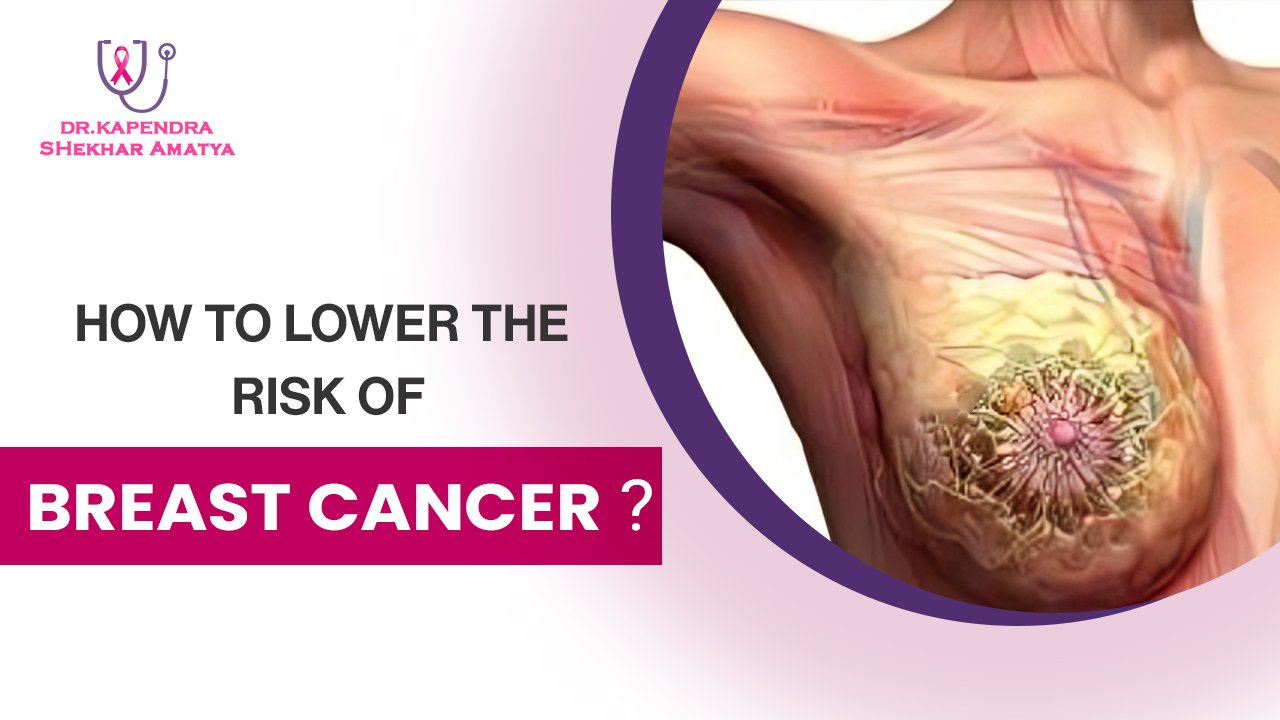
Breast cancer is a significant health concern globally, including Nepal. Women between the ages of 18 and 65 often search for accurate information on the “Risk of Breast Cancer” and “How to Lower the Risk of Breast Cancer.” Dr. Kapendra Shekhar Amatya, Nepal’s leading breast cancer surgeon and head of the Department of Surgical Oncology at the Nepal Cancer Hospital and Research Center, provides valuable insights into managing this risk and supporting those affected. Understanding the Risk of Breast Cancer Reducing breast cancer risk starts with awareness of factors that increase vulnerability. Genetics, lifestyle choices, and environmental influences all play a role. According to Dr. Amatya, managing weight, staying active, and limiting alcohol consumption are key steps that can make a significant difference.  How to Lower the Risk of Breast Cancer? Maintain a Healthy Weight: Obesity is a known risk factor for breast cancer, especially after menopause. Excess body fat increases estrogen levels, promoting the development of hormone receptor-positive breast cancers. Dr. Amatya stresses the importance of regular exercise and a balanced diet to maintain a healthy weight. Stay Physically Active: Regular physical activity helps regulate hormones, control weight, and maintain overall health. Women should aim for at least 150 minutes of moderate-intensity exercise per week or 75 minutes of vigorous exercise. Brisk walking, jogging, swimming, and cycling are excellent options. Limit Alcohol Consumption: Alcohol consumption is directly linked to an increased risk of breast cancer. According to studies, each additional drink per day raises breast cancer risk. Dr. Amatya advises women to limit their alcohol intake to one drink per day or less to reduce this risk. Breastfeed, If Possible: Breastfeeding is beneficial for mothers and infants and provides significant protection against breast cancer. Research shows that longer breastfeeding periods offer greater protection. If circumstances allow, Dr. Amatya encourages new mothers to breastfeed for optimal benefits. Avoid Smoking: Smoking is associated with a range of health issues, including breast cancer, especially in premenopausal women. Quitting smoking improves overall health and significantly reduces the risk of various cancers. Regular Breast Self-Exams and Screening: Although not a substitute for clinical exams, regular breast self-exams help women detect any unusual changes early. Routine mammograms are crucial for women over 40 or those at high risk. Early detection leads to more effective treatment and improved outcomes. Healthy Diet: A diet rich in vegetables, fruits, whole grains, and lean proteins helps reduce the risk of breast cancer. Cruciferous vegetables like broccoli, cauliflower, and Brussels sprouts are particularly beneficial. Avoid processed foods, red meat, and sugary drinks. Addressing the Risk of Breast Cancer through Genetics Genetics also plays a role in breast cancer. Women with a family history of breast cancer or a known mutation in the BRCA1 or BRCA2 genes should consider genetic counseling. They may require a personalized screening plan .Dr. Amatya recommends women with such genetics consult healthcare providers for personalized screening strategies. Supporting Women with Breast Cancer Offer Emotional Support: A breast cancer diagnosis can be overwhelming, and emotional support is vital. Listen with empathy, offer comfort, and encourage open conversations about their concerns. Assist Practically: Help with everyday tasks like cooking, cleaning, and running errands to reduce their burden and create a supportive environment. Ensure Treatment Adherence: Encourage patients to follow through with their treatment plans and assist with appointments. Make sure they take medications as prescribed. Stay Informed: Learn about breast cancer and its impact to dispel myths and offer informed support. Educating yourself helps you provide more accurate information to those affected. Conclusion Dr. Kapendra Shekhar Amatya’s vast experience in breast cancer care provides a solid foundation for his practical recommendations. He emphasizes adopting a healthy lifestyle and seeking regular screenings as critical steps in preventing breast cancer. His extensive work in surgical oncology at Bir Hospital, B.P. Koirala Memorial Cancer Hospital, and now as head of the Department of Surgical Oncology at Nepal Cancer Hospital makes him a leading expert. Remember, you have the power to significantly reduce the “Risk of Breast Cancer” and improve early detection by staying informed and proactive. Consult healthcare professionals like Dr. Amatya for guidance in maintaining your breast health.

How to detect stage 3 breast cancer

Introduction: Hey there, curious minds! Today, we’re going on a journey to explore a topic that might sound a bit serious, but don’t worry – we’ll make it easy to understand. We’re going to talk about “Stage 3 Breast Cancer.” Imagine it like going on an adventure to discover hidden clues in a treasure hunt! What is Breast Cancer? First things first, let’s understand what breast cancer is. Our bodies are made up of tiny building blocks called cells. Sometimes, these cells can start growing in a way they’re not supposed to, and that’s when we call it cancer. Breast cancer specifically starts in the cells of the breast. Stages of Breast Cancer: Just like stories have chapters, breast cancer has stages. Think of each stage as a different part of the adventure. Today, we’ll focus on “Stage 3.” This stage means the cancer has grown a bit more, and it’s like we’ve reached the third chapter of our story. Detecting Stage 3 Breast Cancer: Now, let’s talk about how we can find out if someone has reached this part of the adventure. Detecting stage 3 breast cancer involves a few important steps: Conclusion: Just like a great adventure, detecting stage 3 breast cancer is about paying attention to the clues and working together to overcome challenges. By staying aware and seeking help from doctors, we can ensure that everyone continues their journey in good health. Remember, explorers, knowledge is power, and together, we can conquer any adventure life throws our way!

Detecting Stage 2 Breast Cancer: A Guide to Early Identification

detect Stage 2 breast cancer

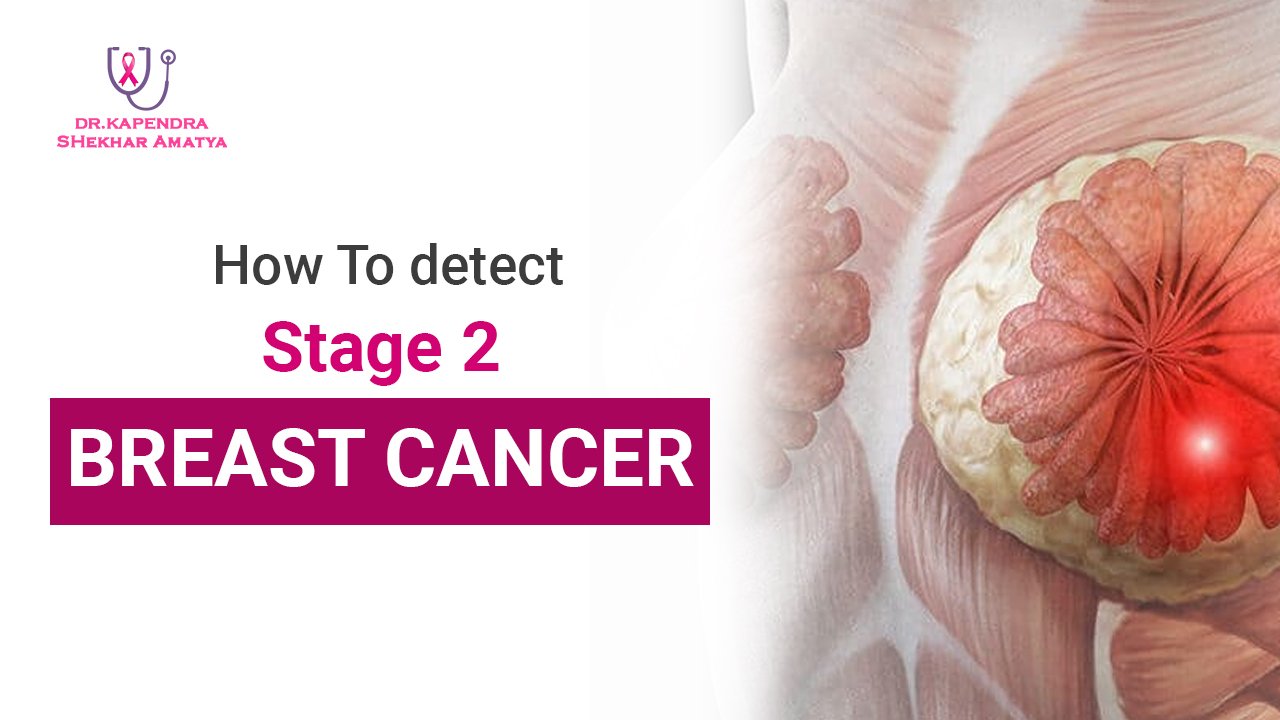
Breast cancer is a prevalent and potentially life-threatening condition that affects millions of women worldwide. Early detection is crucial for successful treatment, and understanding the signs and symptoms of Stage 2 breast cancer can significantly improve outcomes. In this guide, we will explore the key indicators and methods for detect Stage 2 breast cancer. Understanding Stage 2 Breast Cancer: Stage 2 breast cancer is characterized by the growth of cancerous cells within the breast tissue, and it is divided into two subcategories: Stage 2A and Stage 2B. In Stage 2A, the tumor measures between 2 and 5 centimeters and may or may not have spread to nearby lymph nodes. In Stage 2B, the tumor may be smaller than 2 centimeters, but cancer cells have spread to nearby lymph nodes, or the tumor is larger than 5 centimeters. How we detect Stage 2 breast cancer: Lump or Thickening in the Breast: One of the most common signs of breast cancer is the presence of a lump or thickening in the breast tissue. Regular self-examinations can help in detecting any unusual changes. Changes in Breast Size or Shape: Pay attention to any noticeable changes in the size or shape of your breasts. This includes asymmetry or distortion that was not present before. Nipple Changes: Changes in the nipple, such as inversion, discharge, or a sudden change in appearance, can be indicative of breast cancer. Skin Changes: Look for changes in the skin of the breast, including redness, dimpling, or the development of a rash-like texture. Pain or Discomfort: While breast cancer is not always painful, any persistent discomfort, tenderness, or pain in the breast or nipple should be evaluated by a healthcare professional. Diagnostic Methods: Mammography: Regular mammograms are essential for detecting breast cancer at an early stage. Mammography uses X-rays to create images of the breast tissue, allowing healthcare professionals to identify abnormalities. Ultrasound: Ultrasound imaging may be used to further investigate any abnormalities detected on a mammogram. It helps determine if a lump is solid or filled with fluid. MRI (Magnetic Resonance Imaging): In some cases, an MRI may be recommended to obtain more detailed images of the breast tissue and surrounding areas. Biopsy: A biopsy is the definitive method for confirming the presence of cancer. During a biopsy, a small tissue sample is collected and examined under a microscope. Seeking Medical Attention: If you notice any changes in your breast health or experience symptoms that concern you, it’s crucial to seek prompt medical attention. Schedule regular check-ups with your healthcare provider and communicate openly about any concerns or changes you observe. Conclusion: Early detection of Stage 2 breast cancer greatly improves the chances of successful treatment and recovery. By being proactive about self-examinations, attending regular screenings, and seeking medical attention for any unusual symptoms, individuals can play a vital role in their breast health. Remember, knowledge and awareness are powerful tools in the fight against breast cancer, and early detection can save lives.