
Colon Cancer Surgery: What to Expect Before, During & After

Colon cancer surgery

Colon cancer is one of the most common types of cancer worldwide, affecting thousands of people each year. When diagnosed early, it has a high chance of successful treatment, often through surgery. Dr. Kapendra Shekhar Amatya, a leading cancer surgeon in Nepal, specializes in colon cancer surgery and provides expert care for patients battling this disease. If you or a loved one is facing colon cancer surgery, understanding what to expect before, during, and after the procedure can help ease concerns and ensure a smooth recovery. Understanding Colon Cancer and Surgery Colon cancer begins in the large intestine (colon) and can spread if not treated in time. Surgery is one of the most effective treatments, especially in the early and intermediate stages. The type of surgery required depends on the stage and location of the tumor. Dr. Kapendra Shekhar Amatya performs advanced colon cancer surgeries, including minimally invasive laparoscopic and robotic-assisted procedures, to improve outcomes and reduce recovery time. Before Colon Cancer Surgery 1. Diagnosis and Consultation Once a patient is diagnosed with colon cancer, a consultation with an expert like Dr. Kapendra Shekhar Amatya is essential. He conducts a thorough evaluation, including imaging tests (CT scans, MRIs, or colonoscopies) and biopsy results, to determine the best surgical approach. 2. Preoperative Preparation Patients undergo various tests, such as blood work, heart function tests, and lung assessments, to ensure they are fit for surgery. Dr. Amatya provides personalized pre-surgery instructions, including dietary guidelines, medication adjustments, and lifestyle recommendations. 3. Bowel Preparation Before surgery, the colon needs to be cleaned. Patients are advised to follow a liquid diet 24 hours before surgery and take prescribed laxatives or bowel-cleansing solutions. This helps reduce the risk of infection and ensures a clear surgical field. 4. Mental and Emotional Readiness Surgery can be overwhelming, and Dr. Amatya emphasizes the importance of mental preparedness. Counseling, discussing concerns with the medical team, and seeking support from family and friends can help alleviate anxiety. During Colon Cancer Surgery 1. Types of Colon Cancer Surgery 2. Anesthesia and Procedure Patients are given general anesthesia to ensure they are asleep and pain-free during surgery. Dr. Amatya and his team perform the procedure with precision, removing the tumor and any affected lymph nodes while preserving as much healthy tissue as possible. 3. Duration of Surgery Colon cancer surgery can take anywhere from 2 to 4 hours, depending on the complexity of the case. Advanced laparoscopic and robotic techniques can sometimes reduce surgery time and improve patient outcomes. After Colon Cancer Surgery 1. Postoperative Hospital Stay Patients typically stay in the hospital for 3 to 7 days, depending on the type of surgery and individual recovery progress. During this period, pain management, fluid intake, and gradual reintroduction to food are closely monitored. 2. Recovery and Wound Care Proper wound care is crucial to prevent infections. Patients are given specific instructions on how to keep the surgical site clean and recognize any signs of complications such as redness, swelling, or unusual pain. 3. Diet and Nutrition After surgery, the digestive system needs time to heal. Patients start with clear liquids and gradually transition to soft foods before resuming a normal diet. Dr. Amatya recommends a high-fiber diet rich in vegetables, fruits, and whole grains to aid digestion and prevent constipation. 4. Physical Activity and Rehabilitation Walking is encouraged soon after surgery to prevent blood clots and promote healing. However, heavy lifting and strenuous activities should be avoided for at least six weeks. Some patients may require physical therapy to regain strength. 5. Follow-Up Appointments Regular follow-ups with Dr. Amatya are essential to monitor healing, assess for any recurrence, and discuss any further treatments if needed, such as chemotherapy or radiation therapy. 6. Long-Term Lifestyle Changes To prevent recurrence, patients are advised to: Why Choose Dr. Kapendra Shekhar Amatya for Colon Cancer Surgery? Dr. Kapendra Shekhar Amatya is one of Nepal’s top surgical oncologists, specializing in minimally invasive techniques for colon cancer surgery. His patient-centric approach, cutting-edge surgical expertise, and compassionate care make him a trusted choice for those seeking the best treatment for colon cancer. Final Thoughts Colon cancer surgery is a significant step toward recovery, and understanding what to expect before, during, and after the procedure can help ease concerns. With the right surgeon, proper preparation, and dedicated post-surgery care, patients can achieve a successful recovery and lead a healthy life. If you or someone you know is facing colon cancer, consult Dr. Kapendra Shekhar Amatya for expert guidance and world-class surgical care.
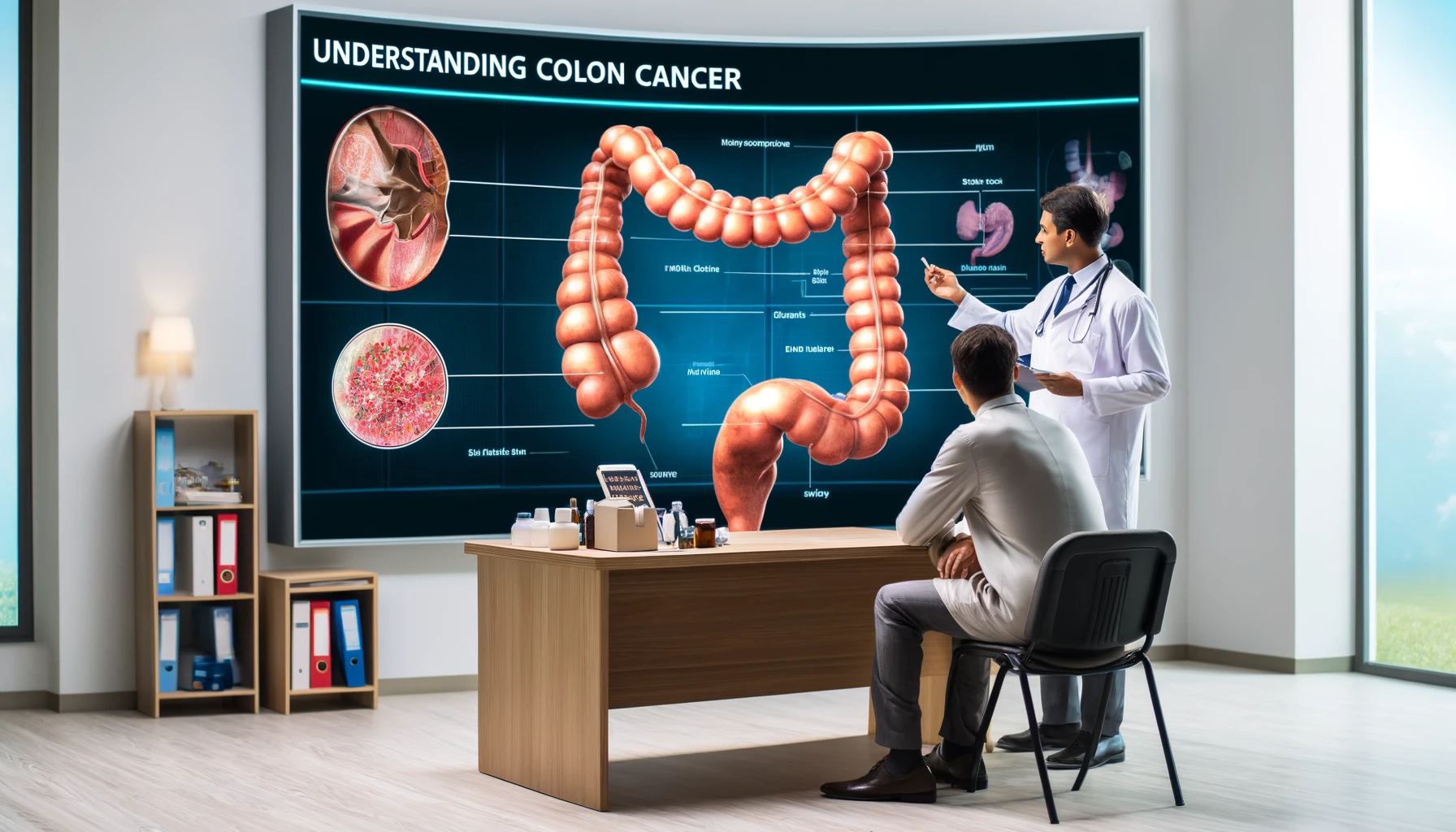
Understanding Colon Cancer: A Brief Guide

Understanding Colon Cancer: A Brief Guide

Colon cancer, also known as colorectal cancer, is a malignant tumor that develops in the colon or rectum. It is the third most common cancer diagnosed in both men and women worldwide. Despite its prevalence, there is much to understand about this disease, including its causes, symptoms, diagnosis, treatment, and prevention strategies. What Causes Colon Cancer? While the exact cause of Colorectal cancer is not fully understood, several risk factors have been identified: Signs and Symptoms Early stages of colon cancer may not present any symptoms, which is why regular screenings are crucial for early detection. However, as the disease progresses, individuals may experience: Diagnosis and Screening Screening for Colorectal cancer typically involves: Treatment Options The treatment for colon cancer depends on the stage of the disease and may include: Understanding Colon Cancer Surgery: Types of Surgery: Colectomy: This involves the removal of a portion of the colon affected by cancer. The extent of the resection depends on factors such as tumor size, location, and stage. Laparoscopic Surgery: A minimally invasive approach where small incisions are made, and a camera and specialized instruments are used to remove the cancerous tissue. This technique often results in shorter hospital stays and quicker recovery times compared to traditional open surgery. Robotic-Assisted Surgery: Similar to laparoscopic surgery but with the assistance of robotic arms controlled by the surgeon. This approach offers enhanced precision and dexterity. Chemotherapy: Chemotherapy may be recommended before or after surgery to destroy cancer cells or reduce the size of the tumor. Radiation Therapy: Radiation therapy may be used in combination with chemotherapy or surgery, especially for rectal cancer. Targeted Therapy: Targeted drugs may be prescribed to specifically target cancer cells, such as those that overexpress certain proteins. Prevention Strategies While not all cases of colon cancer can be prevented, certain lifestyle changes and screening methods can help reduce the risk: Conclusion Colon cancer is a significant health concern worldwide, but with early detection and appropriate treatment, the prognosis can be favorable. Understanding the risk factors, signs, and symptoms, as well as the available screening and treatment options, is essential for effectively managing this disease. By adopting healthy lifestyle habits and undergoing regular screenings, individuals can take proactive steps to reduce their risk of developing Colorectal cancer and improve their overall health and well-being.

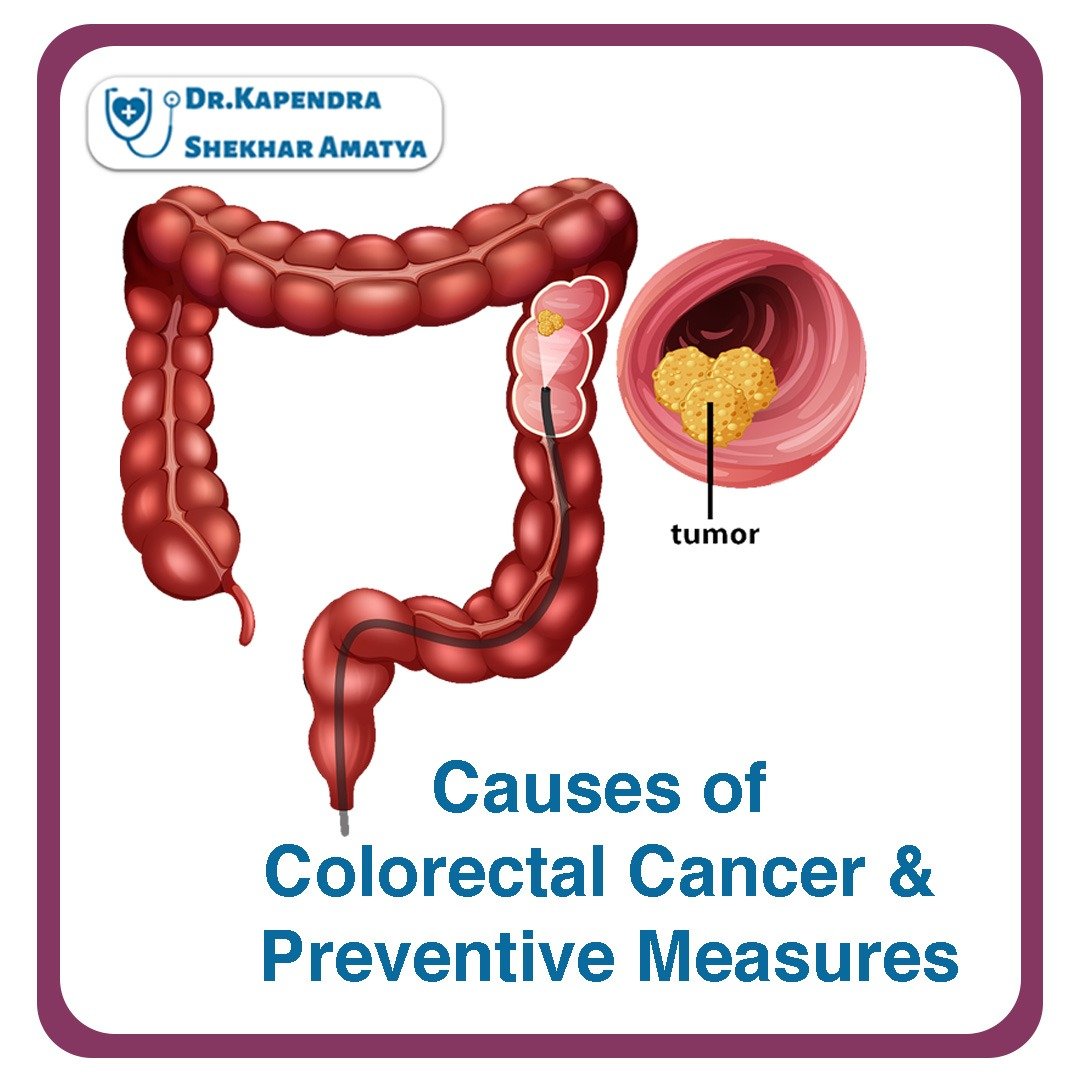
Causes of Colorectal Cancer and Preventive Measures:

Causes of Colorectal Cancer and Preventive Measures

(colorectal cancer) कोलोरेक्टल क्यान्सर एक प्रकारको क्यान्सर हो जुन colon (ठूलो आन्द्रा) र rectum (मलाशय)मा हुन्छ। कोलोरेक्टल क्यान्सर प्रायः गैर-क्यान्सर polyps (कोशिकाहरूको झुण्डहरू)को रूपमा सुरु हुन्छ, जुन केही अवस्थामा क्यान्सरमा परिणत हुन सक्छ। को लो रेक्टल क्यान्सरको जोखिममा यो गदान दिन सक्ने कारकहरू . This is a type of stomach cancer. Causes of colorectal cancer: – नियमित शारीरिक गतिविधिको कमी (physical activities) – फलफूल र तरकारी कम भएको आहार (diet less in fruits and vegetables) – कम फाइबर र धेरै चिल्लो वा धेरै प्रशोधित मासु भएको आहार (High fat, processed meat and low fiber diets) – अधिक तौल र मोटोपना (obesity) – रक्सिको अधिक सेवन (excessive alcohol consumption) – धुम्रपान (Smoking tobacco products) – बढ्दो उमेर (Old age) – Chronic inflammation अवस्थाहरू, जस्तै Crohn’s disease र ulcerative colitis तपाईं कसरी कोलोरेक्टल क्यान्सर हुनबाट बच्न सक्नुहुन्छ (Preventive measures for colorectal cancer)? – यदि तपाईं 50 वर्ष भन्दा माथि हुनुहुन्छ वा बढ्दो जोखिममा हुनुहुन्छ भने नियमित रूपमा जाँच गर्नुहोस्। (Regular checkups for people over the age of 50) – फलफूल, सागसब्जी र whole grain प्रशस्त मात्रामा भएको आहार लिनुहोस्। (Fruits, vegetables and whole grain diets) – रातो वा प्रशोधित मासुको सट्टा कुखुरा, माछा, वा फलफूलबाट प्रोटीन प्राप्त गर्नुहोस्। (Protein rich chicken meat, fish and fruits, avoid processed meat and red meat) – धुम्रपान नगर्नुहोस्। (Stop consuming tobacco products) – संयमतामा रक्सी पिउनुहोस्। (Lower alcohol intake) – एक स्वस्थ वजन कायम राख्नुहो ख्नु स्। (Healthy body weight) – नियमित रूपमा व्यायाम गर्नुहोस् (कम्तीमा ३० मिनेट हप्ताको ५ दिन) (Regular exercise) Symptoms of colorectal cancer: – मलद्वारमा रक्तस्राव (rectal bleeding) वा दिशामा रगत देखिनु (blood in stool) – अस्पष्ट वजन घट्नु (weight loss) – पखाला (diarrhea), कब्जियत (constipation), वा अन्य आन्द्रा परिवर्तनहरू जुन कम्तिमा चार हप्ता सम्म रहन्छ – लामो समयसम्म पेटमा दुखाइ (chronic stomach ache), जस्तै cramp – कमजोरी र थकान (loss of stamina and fatigue) – तल्लो पेटमा असहज महसुस हुनु (discomfort on lower belly) प्रारम्भि क चरणको को लो रेक्टल क्यान्सरमा कुनै लक्षणहरू हुँदैनन्। तसर्थ, यदि तपा ईं 50 वर्ष भन्दा मा थि को हुनुहुन्छ वा बढ्दो जो खि ममा हुनुहुन्छ भने नि यमि त रूपमा जाँ च गर्नुपर्छ। स्क्रिनिङ परी क्षणहरूले (screening test) पो लि प्स (polyps) पत्ता लगा उन सक्छ र ति नी हरू क्यान्सरमा परि णत हुनु अघि नै हटाउन सकि न्छ। स्क्रि नि ङले प्रा रम्भि क चरणमा को लो रेक्टल क्यान्सर पत्ता लगाउन मद्दत गर्दछ जसले रा म्रो उपचार गर्न पनि मद्दत गर्छ। धेरै फरक परी क्षणहरू छन् जसले को लो रेक्टल क्यान्सरको जाँ च गर्न मद्दत गर्न सक्छ। दिशा (स्टूल) परीक्षण (stool test): – Guaiac-based fecal occult blood test (gFOBT): यसले दिशामा रगत पत्ता लगाउन guaiac भन्ने रसायन प्रयोग गर्दछ। यसको लागि तपाईंले labबाट एउटा किट पाउनुहुनेछ, घरमा दिशा सङ्कलन गर्नुपर्ने हुन्छ, त्यसपछि विश्लेषणको लागि सो किट labमा फिर्तागर्नुपर्छ। यो वर्षमा एक पटक गरिन्छ। – Fecal immunochemical test (FIT): यसले दिसामा रगत पत्ता लगाउन एन्टिबडीहरू प्रयोग गर्छ। यो पनि वर्षमा एक पटक गरिन्छ। FIT-DNA परीक्षण (जसलाई स्टूल DNA परीक्षण पनि भनिन्छ): यसले FIT लाई परीक्षणसँग जोड्छ जसले स्टूलमा परिवर्तन भएको DNA पत्ता लगाउँछ। यस परीक्षणको लागि, सम्पूर्ण मल सङ्कलन गर्नु पर्छ र यसलाई प्रयोगशालामा पठाउनु पर्छ, जहाँ यो क्यान्सर कोशिकाहरूको लागि जाँच गरिन्छ। यो हरेक तीन वर्षमा एक पटक गरिन्छ। – सिग्मोइडोस्कोपी (Sigmoidoscopy): यस परीक्षणको लागि, डाक्टरले मलाशय (rectum)मा छोटो, पातलो, लचिलो, उज्यालो ट्यूब राख्छन् र मलाशय र कोलनको तल्लो तेस्रो भागमा पोलिप्स वा क्यान्सरको जाँच गर्छन्। यदि तपाइँ स्क्रिनिङको लागि सिग्मोइडोस्कोपी छनोट गर्नुहुन्छ भने, यो हरेक पाँच वर्षमा गर्नुपर्छ, वा तपाइँले प्रत्येक वर्ष फेकल इम्युनोकेमिकल परीक्षण लिनुहुन्छ भने प्रत्येक दस वर्षमा गर्नुपर्छ। – कोलोनोस्कोपी (colonscopy): ५० देखि ७५ वर्षको उमेरका र कोलोरेक्टल क्यान्सरको सामान्य जोखिममा रहेका सबैले प्रत्येक दस वर्षमा कोलोनोस्कोपी गर्नुपर्छ। कोलोनोस्कोपीले डाक्टरले तपाईंको सम्पूर्ण colon हेर्न सक्छन् र पोलिप्स वा क्यान्सरको जाँच गर्छन्। आवश्यक पर्दाअन्य परीक्षणहरूको फलो-अपको रूपमा पनि कोलोनोस्कोपी प्रयोग गरिन्छ। FAQ: MS (NMC Regd.2902) Dr.Kapendra Shekhar Amatya Head of the Department, Sr.Consultant Surgical Oncologist at Nepal Cancer Hospital and Research Center Director: Breast Cancer Program Interest: Breast Cancer Surgery, Gastro Intestinal Cancer Surgery (Stomach and Colo-Rectal Cancer) Consult now