What is Luminal B breast cancer?

Introduction Breast cancer is a disease that affects many people around the world. It comes in different types, and one of them is called Luminal B breast cancer. Let’s learn more about what Luminal B breast cancer is and how it can affect people. What is Breast Cancer? Breast cancer is a type of cancer that starts in the cells of the breast. Our bodies are made up of tiny building blocks called cells. Sometimes, these cells can start to grow out of control and form a lump called a tumor. Breast cancer happens when this uncontrolled growth starts in the breast cells. Different Types of Breast Cancer There are different types of breast cancer. One of them is Luminal B breast cancer. Doctors often divide breast cancer into different types based on how the cancer cells look under a microscope and the proteins they have. What is Luminal B Breast Cancer? Luminal B breast cancer is a type of breast cancer that gets its name from certain proteins found in the cancer cells. These proteins are called hormone receptors. In Luminal B breast cancer, the cancer cells have hormone receptors for estrogen and/or progesterone, which are two important hormones in our bodies. How is Luminal B Different from Other Types? Luminal B breast cancer is different from other types because of the proteins it has. In Luminal B breast cancer, the cancer cells have more of a protein called HER2 compared to Luminal A breast cancer. This makes Luminal B breast cancer grow faster and is more likely to come back after treatment. Who Can Get Luminal B Breast Cancer? Luminal B breast cancer can happen to anyone, but it’s more common in older people. However, it’s essential to know that even younger people, including children, can get breast cancer, although it’s very rare. How is Luminal B Breast Cancer Treated? Doctors have different ways to treat Luminal B breast cancer. The treatment depends on many things like the size of the tumor, if it has spread, and the person’s overall health. Some common treatments for Luminal B breast cancer include surgery, chemotherapy, radiation therapy, hormone therapy, and targeted therapy. Conclusion Luminal B breast cancer is a type of breast cancer that happens when certain proteins in the cancer cells are different. It’s essential to understand that breast cancer can happen to anyone, regardless of age, and it’s crucial to talk to a doctor if you have any concerns. With early detection and proper treatment, many people can beat breast cancer and live healthy lives. Let’s stay informed and support each other in fighting against breast cancer!

How fast can stomach cancer spread in a month?

Introduction: Unveiling the Mystery of Stomach Cancer Stomach cancer, also known as gastric cancer, is a serious illness that affects the stomach lining. But have you ever wondered how quickly it can spread? Let’s embark on a journey to unravel this mystery, exploring the speed at which stomach cancer progresses within a month. What is Stomach Cancer? Stomach cancer occurs when cells in the stomach grow out of control. These abnormal cells can form a tumor and invade nearby tissues. If not detected and treated early, stomach cancer can spread to other parts of the body. Understanding Cancer Spread: The Importance of Staging Doctors use a system called staging to determine the extent of cancer spread. Staging helps in planning treatment and predicting outcomes. Stomach cancer is typically staged from 0 to IV, with higher stages indicating more advanced cancer. The Rapid Spread of Advanced Stomach Cancer In advanced stages (III and IV) of stomach cancer, the disease can spread rapidly within the body. Cancer cells may invade nearby organs such as the liver, pancreas, and intestines. This rapid spread can lead to severe complications and challenges in treatment. Data Insights: How Fast Can Stomach Cancer Progress in a Month? According to medical research, the rate of stomach cancer progression can vary widely from person to person. However, studies indicate that in advanced stages, stomach cancer can spread at a significant pace. For instance, in some cases, stomach cancer may spread to nearby lymph nodes within a month of diagnosis. Lymph nodes are small, bean-shaped structures that play a crucial role in the body’s immune system. When cancer cells reach the lymph nodes, they can travel to other parts of the body through the lymphatic system, accelerating the spread of the disease. Furthermore, metastasis, the process by which cancer spreads to distant organs, can occur rapidly in aggressive forms of stomach cancer. Within a month, cancer cells may travel through the bloodstream or lymphatic system to vital organs like the liver, lungs, and bones, leading to widespread metastatic disease. The Importance of Early Detection and Treatment While stomach cancer can spread rapidly, early detection significantly improves treatment outcomes. Regular screenings and prompt medical attention can help catch cancer at an early stage when it’s more likely to be curable. Conclusion: In conclusion, stomach cancer can spread at a rapid pace, especially in advanced stages. Understanding the speed of cancer progression underscores the importance of early detection and proactive treatment. By raising awareness and investing in research, we can strive to improve outcomes for individuals battling this formidable disease. Remember, knowledge is power, and together, we can make a difference in the fight against stomach cancer.How fast can stomach cancer spread in a month?

Tips to Lower Your Risk of Breast Cancer

Introduction Breast cancer is a disease that affects many people around the world, but there are things we can do to lower our risk of getting it. By making healthy choices and taking care of our bodies, we can work towards reducing our chances of developing breast cancer. Let’s explore some simple steps we can take to keep ourselves healthy and lower our risk. 1. Eat Healthy Foods Eating healthy foods is important for keeping our bodies strong and reducing our risk of many diseases, including breast cancer. Foods like fruits, vegetables, whole grains, and lean proteins can help keep our bodies healthy and strong. 2. Stay Active Being active and moving our bodies is another way to lower our risk of breast cancer. Activities like playing outside, riding bikes, or dancing are fun ways to stay active and keep our bodies healthy. 3. Limit Sugary Drinks and Junk Food Sugary drinks and junk food can be tasty, but they’re not good for our bodies. Too much sugar and unhealthy fats can increase our risk of developing breast cancer. Instead, try to drink water and eat healthy snacks like fruits and nuts. 4. Avoid Smoking and Secondhand Smoke Smoking is not only bad for our lungs, but it can also increase our risk of getting breast cancer. Even being around secondhand smoke can be harmful. That’s why it’s important to stay away from smoking and places where people are smoking. 5. Get Regular Exercise Exercise is important for keeping our bodies healthy and strong. It can also help lower our risk of breast cancer. Simple activities like playing tag, jumping rope, or even going for a walk with family and friends can be great ways to get exercise. 6. Be Sun Safe While sunlight is important for our bodies, too much exposure to the sun’s rays can increase our risk of developing breast cancer later in life. That’s why it’s important to wear sunscreen, hats, and protective clothing when we’re outside, especially during the hottest parts of the day. 7. Get Plenty of Sleep Sleep is essential for our bodies to rest and recharge. Not getting enough sleep can affect our health and increase our risk of developing breast cancer. That’s why it’s important to make sure we get plenty of sleep each night. 8. Talk to a Doctor If you have any questions or concerns about breast cancer or your health, it’s important to talk to a doctor. They can provide information and support to help you stay healthy and lower your risk of breast cancer. Conclusion By making healthy choices and taking care of our bodies, we can work towards lowering our risk of breast cancer. Eating healthy foods, staying active, avoiding smoking, and getting enough sleep are just a few ways we can take control of our health and reduce our chances of developing this disease. Remember, it’s never too early to start making healthy choices for a happier, healthier future.

How to detect stage 3 breast cancer

Introduction: Hey there, curious minds! Today, we’re going on a journey to explore a topic that might sound a bit serious, but don’t worry – we’ll make it easy to understand. We’re going to talk about “Stage 3 Breast Cancer.” Imagine it like going on an adventure to discover hidden clues in a treasure hunt! What is Breast Cancer? First things first, let’s understand what breast cancer is. Our bodies are made up of tiny building blocks called cells. Sometimes, these cells can start growing in a way they’re not supposed to, and that’s when we call it cancer. Breast cancer specifically starts in the cells of the breast. Stages of Breast Cancer: Just like stories have chapters, breast cancer has stages. Think of each stage as a different part of the adventure. Today, we’ll focus on “Stage 3.” This stage means the cancer has grown a bit more, and it’s like we’ve reached the third chapter of our story. Detecting Stage 3 Breast Cancer: Now, let’s talk about how we can find out if someone has reached this part of the adventure. Detecting stage 3 breast cancer involves a few important steps: Conclusion: Just like a great adventure, detecting stage 3 breast cancer is about paying attention to the clues and working together to overcome challenges. By staying aware and seeking help from doctors, we can ensure that everyone continues their journey in good health. Remember, explorers, knowledge is power, and together, we can conquer any adventure life throws our way!

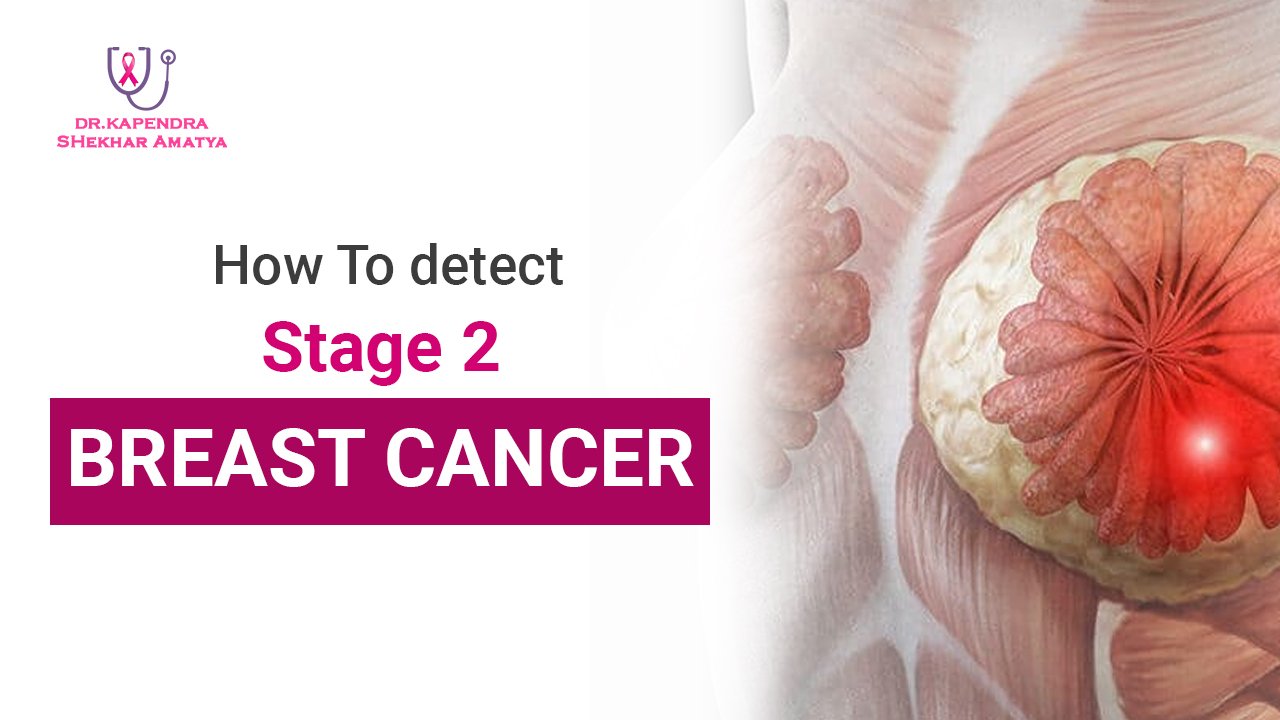
Detecting Stage 2 Breast Cancer: A Guide to Early Identification

detect Stage 2 breast cancer

Breast cancer is a prevalent and potentially life-threatening condition that affects millions of women worldwide. Early detection is crucial for successful treatment, and understanding the signs and symptoms of Stage 2 breast cancer can significantly improve outcomes. In this guide, we will explore the key indicators and methods for detect Stage 2 breast cancer. Understanding Stage 2 Breast Cancer: Stage 2 breast cancer is characterized by the growth of cancerous cells within the breast tissue, and it is divided into two subcategories: Stage 2A and Stage 2B. In Stage 2A, the tumor measures between 2 and 5 centimeters and may or may not have spread to nearby lymph nodes. In Stage 2B, the tumor may be smaller than 2 centimeters, but cancer cells have spread to nearby lymph nodes, or the tumor is larger than 5 centimeters. How we detect Stage 2 breast cancer: Lump or Thickening in the Breast: One of the most common signs of breast cancer is the presence of a lump or thickening in the breast tissue. Regular self-examinations can help in detecting any unusual changes. Changes in Breast Size or Shape: Pay attention to any noticeable changes in the size or shape of your breasts. This includes asymmetry or distortion that was not present before. Nipple Changes: Changes in the nipple, such as inversion, discharge, or a sudden change in appearance, can be indicative of breast cancer. Skin Changes: Look for changes in the skin of the breast, including redness, dimpling, or the development of a rash-like texture. Pain or Discomfort: While breast cancer is not always painful, any persistent discomfort, tenderness, or pain in the breast or nipple should be evaluated by a healthcare professional. Diagnostic Methods: Mammography: Regular mammograms are essential for detecting breast cancer at an early stage. Mammography uses X-rays to create images of the breast tissue, allowing healthcare professionals to identify abnormalities. Ultrasound: Ultrasound imaging may be used to further investigate any abnormalities detected on a mammogram. It helps determine if a lump is solid or filled with fluid. MRI (Magnetic Resonance Imaging): In some cases, an MRI may be recommended to obtain more detailed images of the breast tissue and surrounding areas. Biopsy: A biopsy is the definitive method for confirming the presence of cancer. During a biopsy, a small tissue sample is collected and examined under a microscope. Seeking Medical Attention: If you notice any changes in your breast health or experience symptoms that concern you, it’s crucial to seek prompt medical attention. Schedule regular check-ups with your healthcare provider and communicate openly about any concerns or changes you observe. Conclusion: Early detection of Stage 2 breast cancer greatly improves the chances of successful treatment and recovery. By being proactive about self-examinations, attending regular screenings, and seeking medical attention for any unusual symptoms, individuals can play a vital role in their breast health. Remember, knowledge and awareness are powerful tools in the fight against breast cancer, and early detection can save lives.

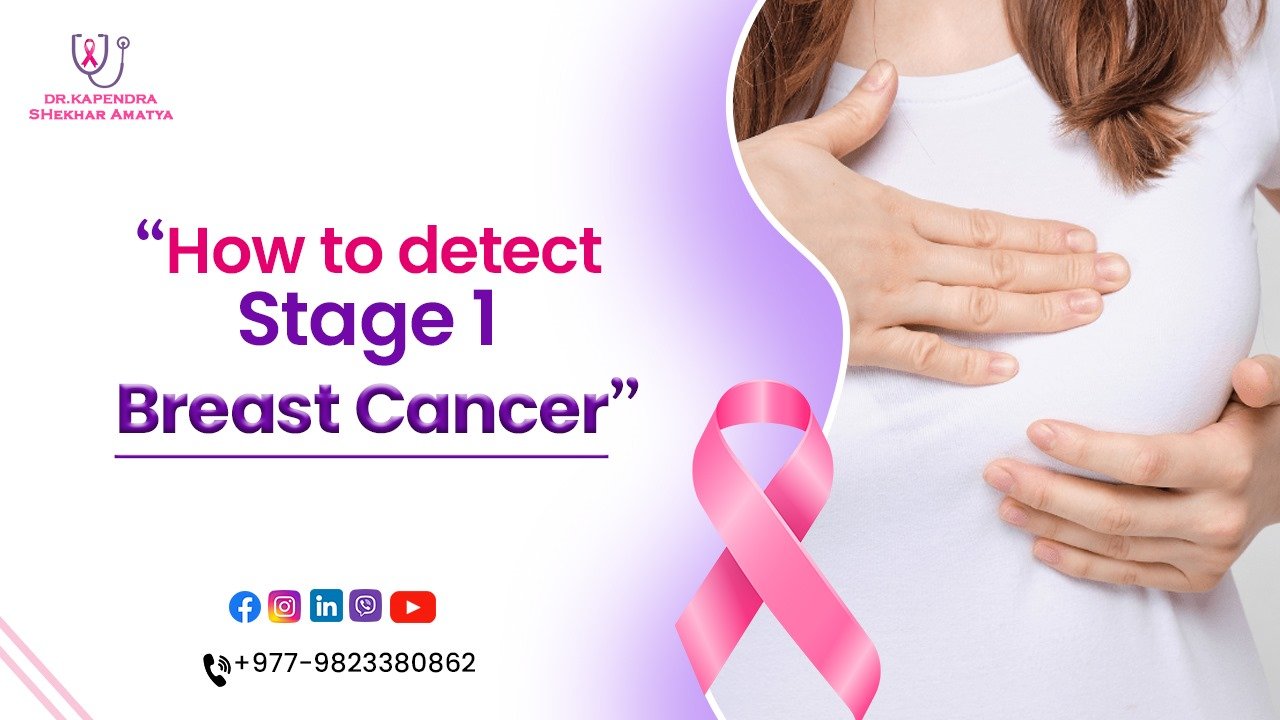
Symptoms of Stage 1 Breast Cancer

Symptoms of Stage 1 Breast Cancer

Introduction: Breast cancer is a complex and potentially life-threatening disease that affects millions of individuals worldwide. Detecting breast cancer at an early stage significantly improves the chances of successful treatment and recovery. Stage 1 breast cancer is the initial phase of the disease when the tumor is relatively small and has not spread beyond the breast tissue. Understanding the symptoms of stage 1 breast cancer is crucial for early detection and timely intervention. Symptoms of Stage 1 Breast Cancer: It’s important to note that these symptoms can vary from person to person, and some individuals with stage 1 breast cancer may not experience any noticeable symptoms. Regular breast self-exams, clinical breast exams, and mammograms are crucial for early detection. Conclusion: Being aware of the symptoms of stage 1 breast cancer empowers individuals to take charge of their breast health. If you notice any unusual changes in your breasts, it’s essential to consult with a healthcare professional promptly. Early detection and intervention can significantly improve the prognosis and increase the chances of successful treatment and recovery. Regular screenings and maintaining open communication with healthcare providers are key elements in the fight against breast cancer.

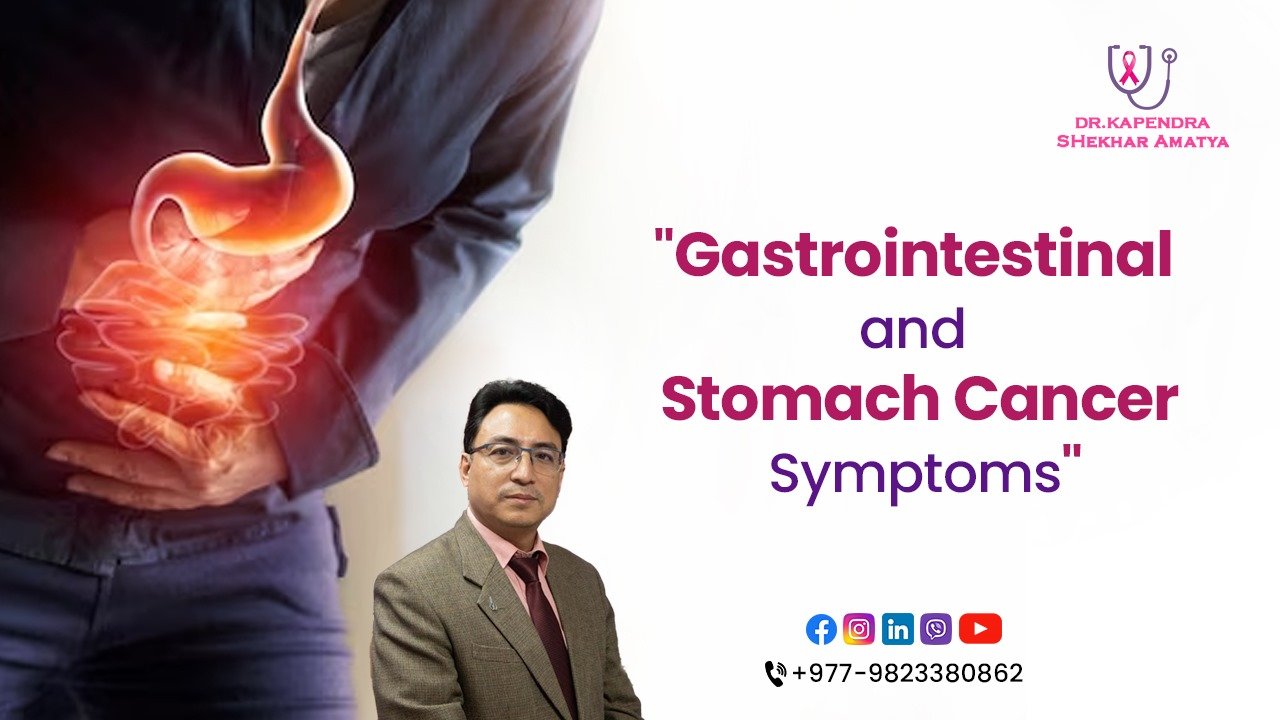
Common Gastrointestinal and Stomach Cancer Symptoms

Gastrointestinal Symptoms

Introduction: Gastrointestinal (GI) issues are common and can often be attributed to various factors such as diet, stress, or infections. However, it’s essential to recognize when symptoms might be indicative of a more serious condition, such as stomach cancer. Distinguishing between common GI discomfort and potential signs of stomach cancer is crucial for early detection and timely intervention. In this article, we’ll explore how to differentiate between common gastrointestinal symptoms and those that may warrant consultation with a healthcare professional. Common Gastrointestinal Symptoms: Differentiating Stomach Cancer Symptoms: When to Seek Medical Attention: If you experience persistent or worsening symptoms, especially those listed under concerning signs, it is essential to consult with a healthcare professional promptly. Stomach cancer, like many cancers, may respond better to treatment when detected at an early stage. Conclusion: While common gastrointestinal issues are often benign, it’s crucial to pay attention to persistent or unusual symptoms that may indicate a more serious condition. Regular health check-ups, especially if you are experiencing concerning signs, can help ensure early detection and timely intervention, improving the chances of successful treatment. Always consult with a healthcare professional for personalized advice and proper diagnosis. MS (NMC Regd.2902) Dr.Kapendra Shekhar Amatya Head of the Department, Sr.Consultant Surgical Oncologist at Nepal Cancer Hospital and Research Center Director: Breast Cancer Program Interest: Breast Cancer Surgery, Gastro Intestinal Cancer Surgery (Stomach and Colo-Rectal Cancer) Consult now

The Lethality of Breast Cancer

lethality of breast cancer

Breast cancer is a significant global health concern, affecting millions of women and men each year. While significant progress has been made in understanding and treating breast cancer, it remains one of the deadliest forms of cancer. In this section, we’ll explore the factors that contribute to the lethality of breast cancer, from mortality rates and late-stage diagnosis to the role of gender disparities. A. Statistics on Breast Cancer Mortality Rates Understanding the magnitude of breast cancer’s lethality begins with examining mortality rates. These statistics shed light on the gravity of the disease: B. Factors Contributing to the Lethality of Breast Cancer Several interconnected factors contribute to the lethality of breast cancer. Understanding these factors is crucial for developing effective strategies for prevention and treatment: C. Gender Disparities in Breast Cancer Lethality Breast cancer affects both men and women, but there are notable gender disparities when it comes to lethality: In conclusion, breast cancer’s lethality is a multifaceted issue, influenced by factors such as late-stage diagnosis, aggressive tumor types, metastasis, and treatment resistance. Gender disparities in diagnosis and outcomes further exacerbate the problem. To combat breast cancer’s lethality, efforts must focus on early detection, improved treatments, and addressing disparities in access to healthcare and education. MS (NMC Regd.2902) Dr.Kapendra Shekhar Amatya Head of the Department, Sr.Consultant Surgical Oncologist at Nepal Cancer Hospital and Research Center Director: Breast Cancer Program Interest: Breast Cancer Surgery, Gastro Intestinal Cancer Surgery (Stomach and Colo-Rectal Cancer) Consult now

Can breast cancer be completely cured?

cure of breast cancer

I. Introduction This blog aims to provide a comprehensive exploration of breast cancer, and the concept of a “cure.” Breast cancer is a global health concern that affects millions of people each year, making it one of the most common and feared forms of cancer. A. The prevalence of breast cancer worldwide  Breast cancer knows no boundaries, affecting women and men of all ages and ethnicities. According to the World Cancer Research Fund, breast cancer is the most commonly diagnosed cancer in women worldwide, with an estimated 2.3 million new cases in 2020 alone. This staggering prevalence highlights the urgent need for answers regarding the potential for a complete cure. B. The importance of understanding the possibility of a full cure  The diagnosis of breast cancer can be a life-altering moment, filled with fear and uncertainty. Understanding the possibility of a full cure offers hope and empowers individuals to make informed decisions about their health. While advances in medical science have led to improved treatments and outcomes, the question of whether breast cancer can be fully cured remains at the forefront of cancer research. II. The Concept of a “Cure” in Breast Cancer: Understanding the Possibilities Breast cancer is a complex disease that affects millions of individuals worldwide. When it comes to breast cancer, one of the most common questions that patients and their loved ones have is whether it can be fully cured. In this section, we will delve into the concept of a “cure” in the context of breast cancer, exploring what it means, the factors that determine its possibility, and the differences in curability between early-stage and advanced-stage breast cancer. A. Defining a cure in the context of breast cancer  Defining a cure in the context of breast cancer is not always straightforward. While many people associate a cure with the complete eradication of the disease, the reality is more nuanced. In breast cancer, a “cure” can be defined as the achievement of a state where the cancer is no longer detectable, and the patient remains disease-free for an extended period, often considered to be five years or more. Achieving this milestone typically involves the successful removal or treatment of cancerous cells to the point where they do not return. It’s essential to understand that the term “cure” does not mean that the risk of recurrence is entirely eliminated. Some breast cancer survivors may experience a recurrence even after years of being disease-free. However, the longer a person remains cancer-free, the lower the likelihood of recurrence becomes. B. Factors that determine the possibility of a cure  Several factors play a crucial role in determining the possibility of a cure for breast cancer: C. Differences between early-stage and advanced-stage breast cancer in terms of curability The curability of breast cancer varies significantly between early-stage and advanced-stage cases: III. Current Treatments for Breast Cancer  Breast cancer is a complex disease, and its treatment options depend on various factors, including the type and stage of cancer, as well as the individual’s overall health. Fortunately, medical advancements have provided a range of effective treatments for breast cancer. In this section, we will explore the current treatments available for breast cancer: A. Surgery as the primary treatment option  A. Surgery as the Primary Treatment Option: Surgery is often the first line of treatment for breast cancer, especially for early-stage cases. There are two primary surgical procedures used to treat breast cancer: The choice between a lumpectomy and mastectomy depends on the size and location of the tumor, as well as the patient’s preferences and medical considerations. B. Radiation therapy and its role Radiation therapy is often used in conjunction with surgery to treat breast cancer. It involves the use of high-energy X-rays or other forms of radiation to target and kill cancer cells that may remain in the breast after surgery. Radiation therapy serves several purposes: Radiation therapy is carefully planned to minimize damage to healthy tissues surrounding the breast. The duration and intensity of treatment can vary based on individual factors and the type of breast cancer.   C. Chemotherapy and targeted therapy  Chemotherapy and targeted therapy are systemic treatments that circulate throughout the body to target cancer cells, both in the breast and potentially at distant sites. These treatments are often used when breast cancer has spread (metastasized) or has a high risk of spreading. D. Hormone therapy for hormone receptor-positive breast cancer Chemotherapy and targeted therapy are systemic treatments that circulate throughout the body to target cancer cells, both in the breast and potentially at distant sites. These treatments are often used when breast cancer has spread (metastasized) or has a high risk of spreading. IV. Challenges in Achieving a Full Cure  Breast cancer is a complex disease with a range of factors that influence its prognosis and treatment outcomes. Achieving a full cure for breast cancer remains a formidable challenge, and several factors contribute to this challenge. In this section, we will explore some of the key hurdles in the journey toward a complete cure for breast cancer. A. The role of metastasis in breast cancer prognosis  One of the most significant challenges in treating breast cancer is the potential for metastasis. Metastasis occurs when cancer cells break away from the primary tumor and spread to other parts of the body, typically through the bloodstream or lymphatic system. When breast cancer metastasizes, it can affect vital organs like the lungs, liver, bones, or brain, making treatment much more challenging. Metastatic breast cancer is often considered incurable, and it significantly reduces the overall chances of a full cure. The ability of cancer cells to travel to distant sites in the body underscores the importance of early detection and intervention. Regular screenings and vigilant monitoring are crucial for identifying breast cancer at an earlier, more treatable stage, before it has a chance to metastasize. B. Resistance to treatments and recurrence  Another formidable challenge in achieving a full cure for breast cancer is the development of resistance to treatments and … Read more

Should there always be chemotherapy after breast cancer surgery?

chemotherapy after breast cancer surgery

Whether or not chemotherapy is recommended after breast cancer surgery depends on several factors, including the type and stage of the cancer, as well as individual patient characteristics. Chemotherapy is not always required for every patient who undergoes breast cancer surgery. The decision to recommend chemotherapy is typically made based on a combination of the following considerations: Cancer Stage: The stage of the breast cancer is a crucial factor in determining the need for chemotherapy. In earlier stages (Stage 0, I, and some cases of Stage II), where the cancer is small and localized, chemotherapy may not be necessary. However, in later stages (Stage II, III, and IV), where the cancer has spread to lymph nodes or other parts of the body, chemotherapy is often recommended to target potential micro-metastases and reduce the risk of cancer recurrence. Tumor Characteristics: The biological features of the tumor, including its hormone receptor status (estrogen receptor, progesterone receptor, and HER2 status), help determine whether chemotherapy is appropriate. Some breast cancers are more responsive to hormone therapy or targeted therapies, and chemotherapy may be used in combination with these treatments. Risk Assessment: Oncologists use various risk assessment tools to estimate the risk of cancer recurrence. These tools take into account factors such as tumor size, lymph node involvement, and tumor grade. Patients at higher risk of recurrence are more likely to be recommended for chemotherapy. Individual Patient Factors: A patient’s overall health and preferences are also important considerations. Chemotherapy can have side effects, and some patients may not be good candidates for it due to pre-existing health conditions. In such cases, the decision may be to focus on other treatments like radiation therapy, hormone therapy, or targeted therapy. Clinical Trials: In some cases, participation in clinical trials may be an option, where experimental treatments or different combinations of therapies are being investigated. This can influence the decision-making process. Ultimately, the decision to undergo chemotherapy after breast cancer surgery is a personalized one made in consultation with a multidisciplinary team of healthcare professionals, including medical oncologists, surgeons, and pathologists. They consider the specific characteristics of the cancer and the patient’s individual circumstances to determine the most appropriate treatment plan. It’s essential for patients to have a thorough discussion with their healthcare team to fully understand the reasons for or against chemotherapy and to make an informed decision about their treatment. MS (NMC Regd.2902) Dr.Kapendra Shekhar Amatya Head of the Department, Sr.Consultant Surgical Oncologist at Nepal Cancer Hospital and Research Center Director: Breast Cancer Program Interest: Breast Cancer Surgery, Gastro Intestinal Cancer Surgery (Stomach and Colo-Rectal Cancer) Consult now