Best Breast Cancer Doctor in Nepal: What Truly Matters When Choosing the Right Specialist

Breast Cancer Doctor in Nepal

A breast cancer diagnosis immediately raises one critical question for most patients and families:“Who is the best breast cancer doctor in Nepal for my situation?” This is not a simple search for a name. It is a search for trust, expertise, and clarity at a time when medical decisions directly affect health, recovery, and long-term quality of life. In Nepal, where awareness is improving but late stage diagnosis remains common, choosing the right breast cancer doctor can significantly influence outcomes. This article explains what truly defines the best breast cancer doctor in Nepal from a patient centered, medical, and real world perspective, based on how experienced specialists practice breast cancer care in Nepal. What Does “Best Breast Cancer Doctor” Really Mean in Practice? In clinical medicine, “best” does not mean popularity or online visibility. It refers to a doctor who consistently demonstrates: Breast cancer doctors do far more than perform surgery. They help patients navigate complex choices under emotional pressure, while balancing safety, effectiveness, and long term well being. Doctors like Dr. Kapendra Shekhar Amatya, who are actively involved in comprehensive breast cancer care in Nepal, exemplify this approach by combining clinical expertise with patient focused decision making. Why Choosing the Right Breast Cancer Doctor in Nepal Matters Breast cancer is one of the most treatable cancers when managed correctly, particularly when detected early. However, outcomes depend heavily on who plans, coordinates, and oversees the treatment journey. In Nepal, patients often face challenges such as: Experienced breast cancer doctors understand: This is why the choice of doctor directly affects survival, recovery, and quality of life. What a Breast Cancer Doctor Actually Does (Beyond Surgery) Many patients initially believe breast cancer care is limited to surgery. In reality, a breast cancer specialist’s responsibilities include: A skilled breast cancer doctor does not rush decisions. Doctors such as Dr. Kapendra, who works closely with cancer care teams in Nepal, emphasizes helping patients understand why a particular approach is recommended. Key Qualities Seen in the Best Breast Cancer Doctors in Nepal 1. Specialized Experience in Breast Cancer Doctors who regularly manage breast cancer cases develop deeper insight into disease behavior, complications, and outcomes compared to those who encounter such cases occasionally. 2. Multidisciplinary Team-Based Care The highest standards of care are achieved when surgeons, medical oncologists, radiologists, pathologists, and radiation specialists work together. Breast cancer doctors practicing in structured cancer-care settings such as those associated with doctors like Dr. Kapendra actively participates in this collaborative approach. 3. Clear and Honest Communication Patients should feel comfortable asking questions and discussing concerns. Clear explanations reduce fear and help patients make informed decisions. 4. Evidence Based, Balanced Decisions Not every patient requires the same treatment. Experience allows a doctor to avoid unnecessary procedures while ensuring cancer is treated thoroughly and safely. Breast Cancer Care in Nepal: Current Realities In Kathmandu and other major cities, breast cancer care has advanced significantly in recent years. Improvements include better imaging, biopsy techniques, and surgical options. However, challenges remain: Doctors with long standing experience in Nepal, including specialists such as Dr. Kapendra, understand these realities and adapt care accordingly both medically and culturally. When Should You See a Breast Cancer Doctor? You should consult a breast cancer specialist if you notice: Early evaluation by an experienced breast cancer doctor allows for more treatment options and better outcomes. How Breast Cancer Is Managed: A Practical Overview Breast cancer treatment is never one-size-fits-all. Management depends on cancer type, stage, and individual patient factors. Common components may include: A knowledgeable breast cancer doctor helps patients understand the sequence, purpose, and expected effects of each step, enabling informed and confident decision making. Clear Answers Patients Often Seek What makes a breast cancer doctor effective? An effective breast cancer doctor combines specialized experience, sound clinical judgment, and clear communication to guide patients safely through diagnosis, treatment, and recovery. Why is early consultation important in breast cancer? Early consultation improves treatment options, reduces the need for aggressive therapy, and significantly increases survival rates. How Patients Can Evaluate a Breast Cancer Doctor Rather than focusing on claims or titles, patients should consider: Trust is built through transparency, competence, and consistency, not promises. Frequently Asked Questions Who is considered the best breast cancer doctor in Nepal?The best breast cancer doctor is one with focused experience in breast cancer, strong clinical judgment, and a patient centered approach rather than one defined by popularity alone. Is breast cancer treatment in Nepal reliable? Yes. In specialized centers in Kathmandu, diagnostic and treatment standards closely align with international practices. Do all breast cancer patients need surgery? No. Treatment depends on cancer type and stage. Some patients benefit from chemotherapy or hormonal therapy before or instead of surgery. How early should breast cancer be checked? Any new breast change should be evaluated promptly. Early assessment improves outcomes significantly. Can breast cancer be cured? Many breast cancers are highly treatable, especially when detected early and managed appropriately. Conclusion Choosing the best breast cancer doctor in Nepal is not about finding a single “top name,” but about identifying a specialist who combines experience, clarity, and sound judgment. Breast cancer care is a journey that requires trust, informed decisions, and coordinated care at every stage. Patients benefit most when guided by doctors such as Dr. Kapendra Shekhar Amatya who understands not only the disease itself, but also the practical realities of breast cancer care in Nepal. Author Note This article is written by a healthcare content strategist with experience working closely with medical professionals and cancer care teams in Nepal. The content reflects real world clinical practices, patient decision making challenges, and evidence based standards in breast cancer management.
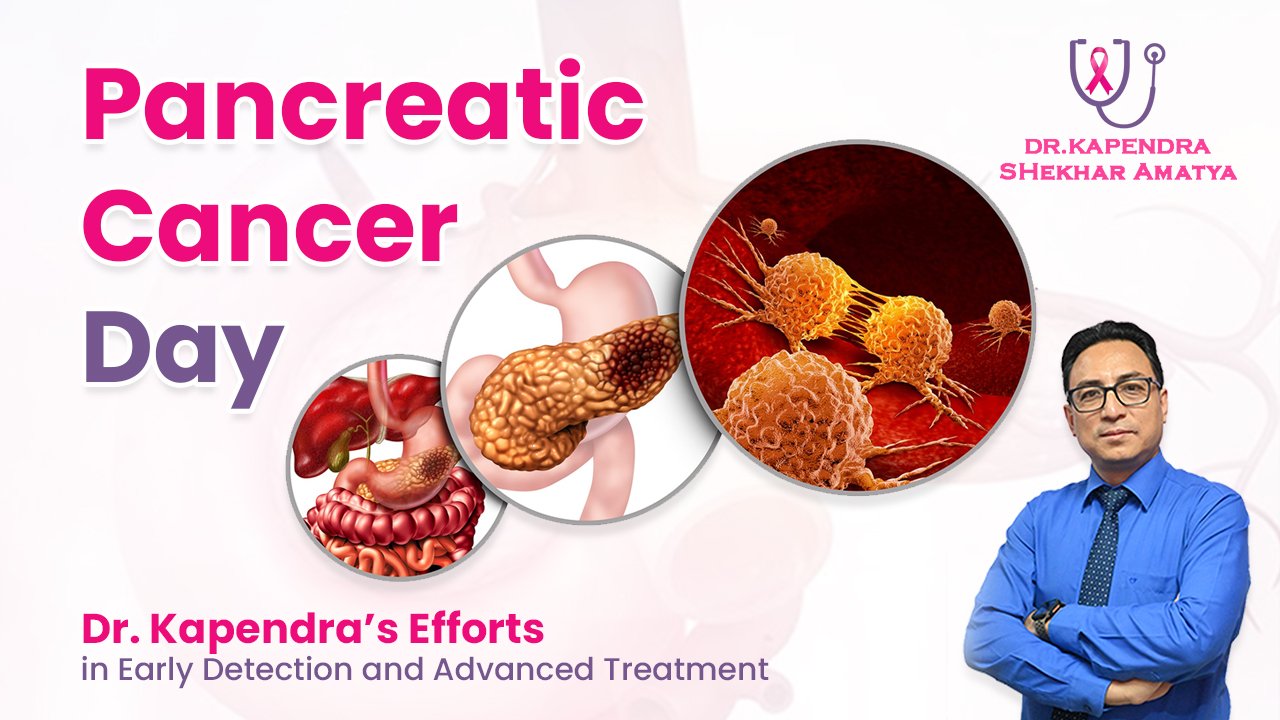
Pancreatic Cancer Day: Dr. Kapendra’s Efforts in Early Detection and Advanced Treatment as a Surgeon

Pancreatic Cancer Day

Introduction Every year, on the third Thursday of November , the world unites to observe Pancreatic Cancer Day, a day dedicated to raising awareness about one of the most challenging cancers in modern medicine. Pancreatic cancer remains one of the deadliest forms of cancer due to its late diagnosis and aggressive nature. The aim of this day is not only to honor those who have battled pancreatic cancer but also to highlight the importance of research, early detection, and treatment advancements. Dr. Kapendra, a leading cancer care specialist, has been at the forefront of efforts to improve diagnosis and treatment for this formidable disease. The Impact of Pancreatic Cancer Pancreatic cancer, although not the most common cancer, is one of the deadliest. According to recent statistics, it has a five year survival rate of just 10%, making it the third leading cause of cancer related deaths in many countries. This stark reality makes early detection and comprehensive treatment essential. What makes pancreatic cancer particularly challenging is that it often presents few symptoms in the early stages, making it difficult to detect until it has already spread to other organs. Symptoms such as jaundice, unexplained weight loss, abdominal pain, and digestive issues are often mistaken for other, less serious conditions. This delay in diagnosis is why Pancreatic Cancer Day plays such a crucial role in educating the public and medical professionals about the importance of early detection. Dr. Kapendra’s Role in Pancreatic Cancer Awareness Raising Awareness on Pancreatic Cancer Day Dr. Kapendra actively participates in campaigns that bring attention to the significance of Pancreatic Cancer Day. He uses this opportunity to reach out to the public, urging individuals to prioritize their health by seeking professional consultation if any of the early signs of pancreatic cancer are noticed. These signs may include: By increasing awareness of these symptoms, Dr. Kapendra aims to reduce the risk of late stage diagnosis, which remains a major challenge for most pancreatic cancer patients. Advancements in Pancreatic Cancer Treatment While pancreatic cancer has traditionally been resistant to many treatment options, significant strides are being made in its treatment. Dr. Kapendra employs a multidisciplinary approach to cancer treatment that includes state-of-the-art technology and evidence-based methods for treating pancreatic cancer. One of the most promising advancements in pancreatic cancer treatment is the development of targeted therapies. These therapies focus on specific genes, proteins, or tissue environments that contribute to cancer cell growth and survival. Dr. Kapendra has worked closely with researchers and medical teams to ensure that patients have access to the latest targeted therapies that are tailored to their specific cancer profile. The Importance of Early Detection in Pancreatic Cancer Treatment Early detection is key to improving survival rates for pancreatic cancer patients. Dr. Kapendra emphasizes that early diagnosis is vital, as it can lead to more effective treatments and better outcomes. For this reason, Dr. Kapendra supports regular checkups and the use of advanced diagnostic tools, including: Dr. Kapendra advocates for individuals with a family history of pancreatic cancer or who experience risk factors to undergo regular screenings. The earlier the cancer is detected, the more treatment options are available, and the better the prognosis. Dr. Kapendra’s Comprehensive Care Approach In addition to early detection and treatment, Dr. Kapendra’s approach to pancreatic cancer is holistic. He understands that cancer care goes beyond just treating the disease; it involves supporting patients through the physical, emotional, and psychological challenges they face. Dr. Kapendra ensures that his patients receive comprehensive care, which includes: Through this holistic approach, Dr. Kapendra ensures that each patient receives the support they need not only to fight the cancer but also to improve their overall quality of life during treatment. Research and Innovation in Pancreatic Cancer Treatment Dr. Kapendra is also deeply involved in research that focuses on improving the treatment options for pancreatic cancer. He works with leading research institutions to contribute to groundbreaking studies on pancreatic cancer. Some of the areas of research Dr. Kapendra is passionate about include: Dr. Kapendra’s commitment to advancing pancreatic cancer treatment through research aims to pave the way for new therapies that could significantly improve patient outcomes. Supporting Families Through the Journey Cancer is not just a disease that affects the patient; it also affects the family and loved ones. Dr. Kapendra recognizes the critical role family support plays in the healing process. As part of his approach to care, he ensures that families are well-informed and involved in the treatment process. He also emphasizes the importance of emotional and psychological support for families, helping them navigate the complex journey that comes with a cancer diagnosis. Conclusion On Pancreatic Cancer Day, it is essential to recognize the efforts of medical professionals like Dr. Kapendra who are making significant strides in the fight against pancreatic cancer. Through early detection, advanced treatments, and innovative research, Dr. Kapendra is helping to improve the lives of patients diagnosed with this challenging disease. As awareness around pancreatic cancer grows, so does the hope for more effective treatments and, ultimately, a cure. Through his unwavering dedication to pancreatic cancer care, Dr. Kapendra continues to be a beacon of hope for many.

Post Menopausal Breast Cancer: A Deep Insight by Dr Kapendra Shekhar Amatya

Post Menopausal Breast Cancer

Introduction Post Menopausal Breast Cancer. Breast cancer remains the most frequently diagnosed cancer among women worldwide, and a substantial portion of these cases occur after menopause. Post-menopausal breast cancer represents a distinct biological and clinical subset, influenced by hormonal, metabolic, and lifestyle changes associated with aging. Dr Kapendra Shekhar Amatya, a leading surgical oncologist in Nepal specialising in breast and gastrointestinal cancers, brings precision, compassion, and advanced surgical expertise to the management of such complex cases. His approach integrates evidence-based oncology, minimally invasive surgery, and personalized patient care  aligning global standards with Nepal’s healthcare context. This comprehensive discussion explores post-menopausal breast cancer from every perspective: epidemiology, causes, molecular characteristics, diagnosis, treatment modalities, prognosis, prevention, and patient care under the guidance of specialists like Dr Amatya. Understanding Post-Menopausal Breast Cancer Menopause marks the cessation of menstrual cycles and a significant shift in hormonal balance. After this transition, the ovaries no longer produce oestrogen and progesterone in significant amounts. However, oestrogen continues to be generated in peripheral tissues, mainly through the conversion of androgens in adipose tissue. This residual hormonal influence plays a central role in the development of hormone receptor-positive breast cancers, which are particularly common in post-menopausal women. Data from global cancer registries reveal that approximately two-thirds of breast cancer cases occur in women aged over 55, corresponding to the post-menopausal phase. The World Health Organization estimates that breast cancer accounts for nearly 2.3 million new cases annually and more than 685,000 deaths globally (WHO, 2024). The majority are hormone-receptor positive, a hallmark of post-menopausal disease biology. Epidemiological Overview Global burden: Studies show that more than 60% –70% of breast cancers diagnosed worldwide occur in post-menopausal women. Regional data: South Asia, including Nepal, has seen a steady increase in incidence due to lifestyle transitions, urbanisation, delayed childbirth, and longer life expectancy. Age factor: The average age of breast cancer diagnosis globally is around 62 years, aligning with post-menopausal physiology. Survival trends: Hormone receptor-positive breast cancers common in this group exhibit relatively better long-term outcomes than triple negative or HER2-positive subtypes. Causes and Risk Factors in Post-Menopausal Breast Cancer Several risk factors contribute to the development of post-menopausal breast cancer, many of which interact synergistically with hormonal and metabolic changes: 1. Hormonal Influences After menopause, oestrogen continues to circulate due to aromatase enzyme activity in fat tissue. Prolonged exposure to this residual oestrogen can stimulate the proliferation of breast epithelial cells, raising malignancy risk. 2. Obesity and Metabolic Syndrome Adipose tissue acts as a site of oestrogen synthesis. Overweight women (BMI > 30) face nearly twofold higher risk compared with lean counterparts. Obesity also drives chronic inflammation and insulin resistance, both linked to carcinogenesis. 3. Hormone Replacement Therapy (HRT) Combined oestrogen progestogen HRT increases risk, particularly with long term use beyond five years. Oestrogen only regimens may have a smaller but still measurable effect. 4. Ageing and Genetic Damage With advancing age, DNA repair mechanisms weaken, increasing the probability of mutations in oncogenes (e.g., HER2, PIK3CA) and tumour-suppressor genes (e.g., BRCA1/2, TP53). 5. Lifestyle Factors Excess alcohol intake, sedentary behaviour, high fat diets, and reduced parity are strongly correlated with post-menopausal breast cancer risk. 6. Family History and Hereditary Syndromes Carriers of BRCA1/2 or other genetic mutations remain at increased risk, even after menopause, though the pattern of tumour biology often differs from that of younger women. Molecular and Biological Features Post-menopausal breast cancers differ biologically from pre-menopausal cases. The most common subtypes include: Luminal A (ER +, PR +, HER2 –): Represents the majority of cases; slow-growing but prone to late recurrence. Luminal B (ER +, PR +, HER2 + / high Ki-67): Faster progression, sometimes requiring chemotherapy alongside hormonal therapy. HER2-enriched: Less frequent; responds to targeted therapy (trastuzumab, pertuzumab). Triple-negative: Rarer in older women but aggressive when present. Understanding receptor status (ER, PR, HER2) and proliferation index (Ki-67) is fundamental to Dr Amatya’s treatment planning, allowing precise selection of endocrine therapy, targeted agents, or combined regimens. Diagnosis and Evaluation Early diagnosis dramatically improves survival. Dr Kapendra Amatya advocates comprehensive evaluation combining clinical, imaging, and pathological modalities. 1. Clinical Examination Breast and regional lymph-node evaluation remain the cornerstone of initial assessment. 2. Imaging Mammography: Gold standard for screening post-menopausal women; recommended every 1–2 years starting from age 45–50.   Ultrasound: Useful adjunct for lesion characterisation.   MRI: Reserved for high-risk cases or complex breast tissue.   3. Biopsy and Histopathology Core-needle biopsy determines tumour type and receptor status. Immunohistochemistry (ER, PR, HER2) guides systemic therapy. 4. Staging Investigations CT, bone scan or PET-CT identify local or distant metastases when indicated. Comprehensive staging is vital for selecting surgical and adjuvant options. Treatment Approaches Under Dr Kapendra Amatya Dr Amatya’s philosophy centres on evidence-based, individualised treatment  balancing oncologic safety with cosmetic and quality-of-life outcomes. 1. Surgery Breast-Conserving Surgery (BCS): Preferred when feasible. Dr Amatya specialises in oncoplastic techniques that combine tumour removal with aesthetic reconstruction, maintaining the natural breast contour. Mastectomy: Indicated for multicentric or large tumours relative to breast size. Immediate reconstruction may be offered using local or flap techniques. Axillary Surgery: Sentinel lymph-node biopsy or axillary clearance depending on disease stage. 2. Endocrine Therapy Endocrine therapy forms the backbone of treatment in hormone-receptor-positive post-menopausal breast cancer. Aromatase Inhibitors (AIs): Agents such as letrozole, anastrozole, or exemestane block oestrogen synthesis. Selective Oestrogen Receptor Modulators (SERMs): Tamoxifen remains an alternative in specific settings. Treatment Duration: Typically five years, extended to ten in high-risk cases. Bone health monitoring is essential during AI therapy. 3. Chemotherapy Reserved for high-grade or node-positive cancers, triple-negative subtypes, or luminal B tumours with high proliferation indices. Age, cardiac health, and renal function determine regimen selection. 4. Targeted Therapy HER2-positive cancers benefit from monoclonal antibodies like trastuzumab or pertuzumab. Combined use with chemotherapy and endocrine therapy enhances survival. 5. Radiation Therapy Delivered post-surgery to eliminate residual microscopic disease. Hypofractionated schedules (shorter, higher dose sessions) improve convenience for older patients with comparable outcomes. 6. Supportive and Reconstructive Care Dr Amatya emphasises multidisciplinary coordination: physiotherapy, psychological counselling, nutritional guidance, and … Read more

Breast Cancer Myths and Facts: What You Need to Know to Stay Informed

breast cancer myths and facts

Breast Cancer Myths And Facts When it comes to breast cancer myths and facts, the confusion and misinformation can be overwhelming. Myths can cause unnecessary fear, delay screening, or lead to poor decision making. This post clarifies key misconceptions and presents the evidence based facts, so you can be better informed and proactive about breast health. Why this matters? Breast cancer is a major global health concern. According to the World Health Organization (WHO), there were an estimated 2.3 million women diagnosed with breast cancer in 2022 and about 670 000 deaths worldwide.   Despite this, many people believe myths such as “only women with a family history get it” or “it only happens after menopause”. These false beliefs can lead to delays in screening or ignoring early signs. Myth 1: “If you don’t have a family history of breast cancer, you are not at risk” Fact: Only a minority of breast cancers are due to inherited gene mutations. In fact, only about 5-10 % of breast cancers are believed to be hereditary. That means the vast majority of cases arise in people without a strong family history. So even if your family tree doesn’t include breast cancer, your risk is not zero. It’s true that family history elevates risk when present, but the absence of a family history does not mean you’re safe from developing breast cancer. Why this myth persists: It’s easier to think cancer runs in families and that if it didn’t in your family, your risk must be low. This oversimplifies how cancer develops. Myth 2: “Only older or post‑menopausal women get breast cancer” Fact: While the risk of breast cancer increases with age, it can affect younger women too. Younger women may also face more aggressive forms. The WHO states that breast cancer occurs in every country in the world and at any age after puberty.  Why it matters: If someone believes they are “too young” to worry, they might ignore a sign or delay screening. Myth 3: “A breast injury, underwire bra, or using antiperspirants causes breast cancer” Fact: There is no credible scientific evidence that breast trauma (being hit in the breast), wearing underwire bras, or using deodorants causes breast cancer. For example: An injury might bring attention to a lump, but the trauma itself doesn’t trigger cancer.   Underwire bras do not increase risk of breast cancer.   Use of deodorants or antiperspirants has not been shown to cause breast cancer. Why the myth persists: Such beliefs simplify cause and effect (e.g. “I used deodorant, then got cancer”), leading to fear and misunderstanding. Myth 4: “Finding a lump means you definitely have breast cancer” Fact: Not all breast lumps are cancerous. Many are benign conditions such as cysts or fibroadenomas. That said, any new lump or change in the breast should be evaluated by a healthcare professional. Early evaluation improves outcomes. Important reminder: Even though lumps are well‑known signs, breast cancer can present in other ways: skin changes, changes in nipple appearance, discharge, or thickening. Myth 5: “If you’re healthy and eat well, you won’t get breast cancer” Fact: While lifestyle factors (maintaining a healthy weight, limiting alcohol, being active) do affect breast cancer risk, they cannot guarantee you won’t develop it. Some people with perfectly healthy lifestyles still get breast cancer. Genetics, environment, and random chance also play roles. Why this myth is harmful: It may lead to victim blaming (“it’s your fault if you get cancer”) or false reassurance (“I eat well so I’m immune”). Myth 6: “Men don’t get breast cancer” Fact: Men can develop breast cancer though much less commonly than women (approximately 0.5 – 1% of breast cancers occur in men). Because it is rarer, male breast cancer may be under-recognized or diagnosed later. Myth 7: “All breast cancers are the same, and one treatment fits all” Fact: Breast cancer is not one single disease but encompasses many subtypes. Each may have different causes, behavior, and responses to treatment. Treatment decisions are increasingly personalized (based on tumour biology, stage, genetics). Why this matters: Recognizing the diversity of breast cancer can lead to better patient specific care and more realistic expectations. Myth 8: “If screening shows nothing, you’re safe for years” Fact: A clear screening result (such as a normal mammogram) is good, but not a permanent guarantee. Some cancers develop between screenings, and mammograms may miss some cancers, especially in dense breast tissue. Regular monitoring and awareness of changes remain important. Tip: Beyond routine screening, know your risk factors and breast normal baseline so you recognize changes. The Facts You Should Remember To summarise the reliable, evidence based facts opposite the myths: Most breast cancers occur in people without a family history. Risk increases with age but younger people can and do get breast cancer. Common daily products or practices (underwire bras, deodorant, minor breast injuries) are not proven causes. Lumps don’t always mean cancer but any change in the breast warrants evaluation. A healthy lifestyle helps reduce risk but cannot eliminate it entirely. Men can develop breast cancer too. Breast cancer varies; different subtypes require different treatments. Screening is vital but vigilance between screenings is also key. How to Act On This Know your baseline: Understand how your breasts normally look and feel; note any changes. Follow screening recommendations: According to your country’s guidelines and your personal risk. Adopt healthy habits: Maintain a healthy weight, limit alcohol, stay physically active. These help reduce risk though not eliminate it. Talk to your doctor about your risk: Especially if you have a strong family history, known genetic mutations, or other risk factors. Don’t wait for a lump: Changes like skin dimpling, nipple discharge, or unusual swelling deserve attention. Reject myths, ask questions: If you hear claims like “carrying your phone in your bra causes breast cancer” or “you must have breast cancer if you get a lump”, check credible sources. Conclusion Understanding breast cancer myths and facts empowers you to take informed action rather than be paralyzed by fear or misled by misconception. While no single method guarantees prevention, knowledge, vigilance, … Read more

Mind‑Body Connection: How Mental Health Influences Cancer Recovery

Mental Health

Experiencing cancer isn’t just a physical journey. It’s emotional. It’s mental. It’s personal. Finishing treatment might feel like crossing a finish line but for many cancer survivors, it’s actually the start of something just as challenging. After the hospital visits slow down and the medications end, the emotional weight can linger: anxiety, fear of recurrence, body image struggles, or simply not feeling like “yourself” anymore. And that’s okay, healing after cancer isn’t only about your body,  your mental and emotional well-being is just as important. In this article, we’ll explore what happens emotionally after treatment, why mental health plays a crucial role in recovery, and how survivors can take care of their minds as much as their bodies.    The emotional journey post‑cancer — why mental health matters Survivors often describe life after treatment as navigating a “new normal” and it’s true things change. The physical effects of cancer might be visible, but what’s going on internally is just as real. According to the National Cancer Institute, many people who finish treatment continue to experience emotional challenges like anxiety, depression, fear of recurrence, and changes in relationships or identity. Studies show that these feelings aren’t fleeting. Mental health struggles like anxiety and depression can last for years after a cancer diagnosis. This matters because emotional distress can interfere with your recovery and it may weaken your immune system, disrupt sleep, lower your energy, and even impact how closely you follow up on your care. But when your emotional well-being is supported, your physical healing is often stronger, too. Common mental health challenges after cancer (& why they matter) Everyone’s experience is different, but these are some of the most common emotional hurdles cancer survivors face: Fear of recurrence: That lingering question “What if it comes back?” can be hard to shake, even years later. Anxiety and depression: Feeling overwhelmed, sad, or disconnected is common. One study showed nearly a third of survivors report anxiety or depressive symptoms after treatment. Fatigue and “chemo brain”: Mental fog, forgetfulness, and difficulty focusing often persist post-treatment. Body image and identity shifts: Scars, hair loss, weight changes  all can affect how you see yourself and stepping out of the “patient” role can leave you wondering who you are now. Isolation: You might feel misunderstood or emotionally distant, even from people who were by your side during treatment. Post-traumatic growth: On the flip side, many survivors also experience a newfound sense of purpose or clarity and a deeper appreciation for life. It’s possible to carry both healing and hurt. These emotional layers are deeply tied to your overall recovery. Ignoring them doesn’t make them disappear, but acknowledging them can open the door to real healing. How emotional healing after cancer supports physical recovery Here’s how emotional well being directly supports your physical recovery: You stick with treatment plans better: When your mental health is stable, you’re more likely to attend follow-up visits, take medications, and stay engaged in your care. Your body heals more efficiently: Chronic stress affects your immune system and your body’s ability to repair itself. Managing stress helps your body function optimally. You sleep better, think clearer, and feel more energized: Emotional distress can interfere with sleep and focus. Addressing your mental health can restore clarity and restfulness. You make healthier choices: It’s easier to eat well, stay active, and avoid unhealthy habits when you’re emotionally grounded. You feel more resilient: Whether it’s embracing gratitude or setting new goals, finding meaning after cancer gives you strength to move forward. Practical strategies for mental health after cancer (mind‑body tools) You don’t need to tackle everything at once. Here are small, doable steps to support your mental and emotional recovery: 1. Give yourself permission to feel It’s okay to feel overwhelmed, angry, grateful, or scared sometimes all in the same day. These feelings are valid. Journaling or talking to someone you trust can help make sense of them. 2. Practice mind-body techniques Meditation or mindfulness: Even a few minutes a day can ease anxiety. Gentle movement: Yoga, walking, or stretching can reduce stress and reconnect you with your body. Breathing exercises: Deep breathing calms the nervous system and helps you feel more grounded. 3. Connect with others who understand Support groups, whether in person or online, offer a safe space to share and listen. Talking with people who’ve walked a similar path can be incredibly healing. 4. Take care of your body  it helps your mind too Get enough sleep Eat nourishing, whole foods Move regularly, even gently Limit alcohol and avoid smoking These habits don’t just support your physical health, they also stabilize your mood and energy. 5. Ask for professional help when needed Therapists, counselors, or psycho-oncology specialists can help you process what you’ve been through. If you’re struggling with anxiety, depression, or PTSD symptoms, treatment is available and is effective. 6. Build emotional check-ins into your routine Once a month, ask yourself: How am I really feeling lately? What’s been hardest? What’s been going well? What small action can I take for my mental health this week? This reflection helps track progress and identify when extra support might be needed. Building a supportive environment & ongoing care Healing is easier when your environment supports it. Here are some things you can do: Make a survivorship care plan that includes emotional support, not just physical follow-up.   Tell your loved ones how to help, sometimes you need a listener, sometimes a distraction, sometimes a hug.   Set boundaries around emotionally heavy dates, like scan days or treatment anniversaries.   Find local or virtual resources , support groups, therapists, community centers, or even creative outlets like art or journaling.   Reclaim your identity. You are not just a cancer patient. You are a whole person, growing and moving forward.   Celebrate milestones, no matter how small your first day back at work, a good night’s sleep, or simply feeling like yourself again.   Final Thoughts: Recovery Isn’t Just About the Body Surviving cancer … Read more

Breast Cancer Awareness Month: 3 Important Reasons to Seek a Second Opinion – From Dr. Kapendra

October Breast Cancer Awareness Month

Breast Cancer Awareness Month Breast Cancer Awareness Month—Every October, the world unites in pink to observe Breast Cancer Awareness Month—a time focused on raising awareness, encouraging early detection, and supporting those affected by breast cancer. At Nepal Cancer Hospital, Dr. Kapendra, a renowned surgical oncologist, leads this mission with dedication, care, and hope for patients and families across Nepal. This October, he is offering free breast cancer consultations throughout the month, with special emphasis on the importance of second opinions for anyone facing a breast cancer diagnosis. His goal is to ensure that each patient receives clarity, confidence, and compassionate guidance. Understanding Breast Cancer: Why Awareness Matters Breast cancer is the most common cancer among women worldwide. In Nepal, thousands of women are diagnosed every year—but many cases are detected late due to a lack of awareness, stigma, or limited access to medical services. Awareness goes far beyond wearing pink—it saves lives. Regular breast self-examinations Clinical screenings Timely checkups These are key to early detection, which greatly improves treatment outcomes. This October, Nepal Cancer Hospital is encouraging all individuals—especially women over 40—to make breast health a priority. A few minutes today could lead to early diagnosis and life-saving care. https://www.who.int/news-room/fact-sheets/detail/breast-cancer The Value of a Second Opinion in Breast Cancer A breast cancer diagnosis can feel overwhelming, and decisions about treatment are often difficult. In these moments, a second opinion is not just helpful—it can be life-changing. A second opinion offers: Clarity: Better understanding of the diagnosis Confidence: Reassurance about the recommended treatment plan Options: Awareness of alternative or less invasive therapies Sometimes, what seems like a complex condition may have a simpler approach—or a better-suited treatment. For this reason, Dr. Kapendra strongly encourages patients to speak with more than one specialist before choosing treatments like surgery, chemotherapy, or radiation. With years of experience and a patient-first approach, Dr. Kapendra and his team at Nepal Cancer Hospital provide respectful and thorough reviews of diagnoses and treatment plans, helping every individual feel informed and empowered in their journey. Free Breast Cancer Consultations Throughout October In honor of Breast Cancer Awareness Month, free consultations are available to all breast cancer patients and individuals with concerns about breast health. Details: Location: Nepal Cancer Hospital, Harisiddhi, Lalitpur Duration: Entire month of October Who can visit: Women of all ages, especially those with symptoms, family history, or questions about ongoing treatment Booking: Call the hospital helpline or visit the official website to schedule an appointment This initiative removes financial and emotional barriers that often prevent people from seeking timely medical advice. Dr. Kapendra’s Message of Hope and Support “To every woman, daughter, mother, and sister: your health matters. Breast cancer is not a death sentence—when caught early and treated correctly, it is often curable,” shares Dr. Kapendra, who has devoted his life to helping cancer patients find hope, healing, and strength. He believes no one should go through this journey alone. Access to accurate information, expert guidance, and emotional support are essential. His doors remain open to every patient, with a promise of dignity, respect, and compassionate care. If you’re facing uncertainty, concerned about a symptom, or seeking reassurance, this is the time to act. Take Action: Book Your Free Consultation Today October is not just about awareness—it’s about action. If you or someone you love needs support, don’t delay. A simple consultation could change everything. Visit Nepal Cancer Hospital or call today to schedule your free consultation with Dr. Kapendra, Surgical Oncologist, for early breast cancer detection and expert guidance. Let’s fight breast cancer together—with awareness, compassion, and expert care.

Relation of Exercise and Breast Cancer: Insights by Dr. Kapendra Shekhar Amatya

Relation of Exercise and Breast Cancer

Introduction Breast cancer remains one of the most common cancers affecting women worldwide, and its incidence has been steadily rising over the years. While advances in early detection and treatment have greatly improved survival rates, there is growing recognition that lifestyle factors particularly physical activity play a significant role in both prevention and recovery. Research shows that exercise not only reduces the risk of developing breast cancer but also improves treatment outcomes and enhances quality of life for survivors. Yet, despite strong evidence, many women are unsure about what type of exercise is safe, effective, and beneficial during different stages of their breast cancer journey. Dr. Kapendra Shekhar Amatya, a distinguished medical professional, emphasizes the importance of integrating exercise into cancer prevention and management strategies. With a patient-centered approach, he advocates for holistic care that addresses both medical treatment and lifestyle modification. His insights bridge the gap between scientific research and practical guidance, empowering patients and the general public to make informed decisions. In this article, Dr. Amatya explores the powerful connection between exercise and breast cancer, providing evidence-based recommendations that can benefit both individuals seeking prevention and those navigating life during and after treatment. Understanding Breast Cancer Breast cancer begins when abnormal cells in the breast grow uncontrollably, forming a tumor that can invade surrounding tissues or spread (metastasize) to other parts of the body. It is the most common cancer among women globally, although men can also be affected in rare cases. Several risk factors contribute to the development of breast cancer. Some are non-modifiable, such as age, gender, and family history, while others are lifestyle-related, including obesity, physical inactivity, excessive alcohol intake, and hormonal imbalances. Research shows that maintaining a healthy lifestyle—especially through regular physical activity can significantly reduce the risk of developing breast cancer. Understanding the disease is not just about recognizing its medical complexity; it is also about addressing the emotional and psychological impact it has on patients and their families. Treatment often involves surgery, chemotherapy, radiation therapy, and hormone therapy, all of which can cause physical side effects and emotional stress. This is why prevention and supportive care play such an essential role. Dr. Kapendra Shekhar Amatya emphasizes that breast cancer care should not end with medical treatment alone it should also incorporate lifestyle modifications that empower patients to improve their overall well-being. Exercise, when tailored properly, has emerged as one of the most powerful and accessible tools in both prevention and survivorship. Exercise and Its Impact on Breast Cancer Prevention The relationship between exercise and breast cancer prevention has been widely studied, and the evidence is compelling. Regular physical activity reduces the risk of developing breast cancer by 20–30%, according to multiple large-scale studies. This makes exercise one of the most powerful, non-pharmacological tools for prevention. 1. Hormonal Balance Estrogen and progesterone are key hormones linked to breast cancer development. High lifetime exposure to estrogen such as early menstruation, late menopause, or obesity can increase risk. Exercise helps regulate hormonal levels by reducing body fat and improving metabolism, thereby lowering estrogen exposure. 2. Weight Management Obesity, particularly after menopause, is a major risk factor for breast cancer. Adipose (fat) tissue produces estrogen, which can stimulate tumor growth. By aiding in weight control and reducing central obesity, regular exercise minimizes this risk factor significantly. 3. Anti-Inflammatory Effects Chronic inflammation contributes to DNA damage and cancer progression. Exercise lowers systemic inflammation by improving immune function and reducing inflammatory markers. This creates a healthier internal environment that is less conducive to cancer development. 4. Improved Insulin Sensitivity High insulin levels and insulin resistance have been associated with increased breast cancer risk. Exercise improves insulin sensitivity, stabilizes blood sugar levels, and reduces circulating insulin a protective factor against cancer growth. 5. Stress and Immunity Chronic stress weakens the immune system, making the body more vulnerable to disease. Exercise promotes endorphin release, reduces stress, and enhances immune surveillance, strengthening the body’s natural defenses. Dr. Kapendra Shekhar Amatya highlights that prevention should be proactive. Incorporating regular physical activity such as brisk walking, jogging, cycling, or yoga into daily life can significantly lower risk while also improving overall health. For women with a family history of breast cancer, exercise becomes even more crucial as part of a comprehensive preventive strategy. Exercise During Breast Cancer Treatment For women undergoing breast cancer treatment, exercise might seem like a challenge due to fatigue, nausea, or pain. However, studies consistently show that safe, moderate exercise during treatment improves both physical and emotional outcomes. Far from being harmful, the right kind of movement can actually support healing and enhance resilience. 1. Managing Fatigue Cancer-related fatigue is one of the most common and distressing side effects of chemotherapy and radiation. While rest is important, prolonged inactivity often worsens fatigue. Gentle aerobic activities such as walking, light cycling, or yoga have been shown to boost energy levels and reduce exhaustion. 2. Maintaining Muscle and Bone Health Certain treatments, especially hormone therapies, can weaken bones and reduce muscle mass. Incorporating resistance training (with light weights or resistance bands) helps preserve muscle strength and bone density, reducing the risk of osteoporosis and fractures. 3. Weight and Metabolic Control Some cancer medications may cause weight gain and metabolic imbalances. Exercise helps regulate body weight, improves insulin sensitivity, and reduces central obesity all important factors for better treatment tolerance and long-term survival. 4. Reducing Treatment Side Effects Exercise has been found to alleviate nausea, improve sleep quality, and reduce joint stiffness. It also boosts cardiovascular health, which is essential since some chemotherapy drugs can affect the heart. 5. Mental and Emotional Benefits A breast cancer diagnosis often brings anxiety, depression, and stress. Physical activity releases endorphins natural mood enhancers that promote relaxation and emotional stability. Group exercise or yoga classes may also provide a sense of community and emotional support. Dr. Kapendra Shekhar Amatya emphasizes that every patient is different, and exercise should be personalized. Consultation with healthcare providers ensures that exercise plans are safe, tailored to the patient’s health … Read more

Healing the Heart: Why Emotions Run High After Cancer Treatment

Cancer

Introduction: The Silent Aftershock of Survival Completing cancer treatment is a profound milestone often celebrated with hope, gratitude, and a sense of victory. It is a moment many patients and their families anticipate for months, even years. The rigorous journey through surgery, chemotherapy, radiation, and other interventions tests every part of a person’s being. When the final treatment ends, there’s a common expectation: life will now return to normal. However, what often follows is a period of emotional turmoil that can be just as intense and challenging as the treatment itself. Instead of relief and happiness, many survivors report feelings of sadness, anxiety, confusion, and fear. This paradox feeling emotionally unsteady just when things are supposed to be “better” can be deeply unsettling. As a consultant surgical oncologist, Dr. Kapendra Shekhar Amatya has witnessed firsthand how post-treatment life can be more emotionally complex than most anticipate. This phase is rarely discussed in detail during active treatment, yet it is a critical aspect of recovery. Emotional healing deserves as much attention as physical recovery. This blog aims to explore why emotions run high after cancer treatment, what contributes to these feelings, and how survivors and their families can navigate this often-overlooked stage of healing. 1. The Emotional Fallout: What Happens After the Final Dose When the active phase of cancer treatment concludes, many patients find themselves confronting a flood of unresolved emotions. Several common psychological and emotional responses can emerge: 2. Why Emotions Run High: The Science Behind It Understanding the emotional intensity after cancer treatment requires looking at the physiological and psychological impact of the disease and its therapies: 3. Dr. Kapendra’s Perspective: What Patients Are Told in Clinical Practice At Nepal Cancer Hospital and Research Center and in various clinical settings, Dr. Kapendra Shekhar Amatya often sees families puzzled by a loved one’s emotional fragility after treatment. A mother crying daily, a spouse becoming irritable, or a young adult withdrawing socially are not rare scenarios they are part of the healing process. Dr. Amatya emphasizes: 4. The Role of Family: How Loved Ones Can Help Support systems play a crucial role in a survivor’s emotional recovery. Family members and friends must understand that the end of treatment is not the end of the cancer experience. Supportive actions include: 5. Coping Strategies: What Actually Helps There are practical strategies that can significantly ease emotional distress during post-treatment life: 6. When to Seek Help: Red Flags to Watch For It is important to differentiate between normal emotional fluctuations and symptoms that indicate a need for professional intervention. Warning signs include: 7. Stories That Inspire: Real Patients, Real Emotions Over the years, Dr. Kapendra has encountered countless individuals whose emotional healing became a powerful story of resilience: These real-life accounts remind us that emotional recovery is possible and that growth often springs from pain. 8. A Message to Survivors: This Is Your Chapter Two Post-treatment life is not about returning to who one was before cancer. It is about evolving into someone stronger, more aware, and deeply connected to life. Emotional turmoil is not a detour from recovery it is part of it. The survivor journey is ongoing, and every emotion along the way is valid. This chapter is not about surviving cancer. It is about living fully after it. Conclusion: Let’s Treat the Whole Patient, Not Just the Tumor Cancer care must extend beyond surgery, chemotherapy, and radiation. True healing encompasses emotional, psychological, and social dimensions. Every survivor deserves a holistic approach to recovery one that honors their emotional experiences as much as their physical ones. Dr. Kapendra Shekhar Amatya continues to advocate for integrated survivorship care through patient education, public awareness, and multidisciplinary collaboration. His goal is clear: healing the heart is just as important as curing the body.

10 Everyday Habits That Are Silently Harming Your Health

harmful daily habits

We often think major health issues are caused by dramatic events or conditions, but in reality, many begin with small, everyday habits. These are behaviors we rarely question because they’re part of our daily routine. However, over time, they can silently damage our health, sometimes irreversibly. As a physician and public health advocate, I, Dr. Kapendra Shekhar Amatya, have seen how unnoticed habits shape long-term well-being. Here’s a breakdown of 10 seemingly harmless actions that could be putting your health at risk. 1. Sitting for Long Periods Modern life makes us sit at desks, in cars, on couches. But prolonged sitting slows metabolism, tightens muscles, and increases the risk of heart disease, diabetes, and even some cancers. Even if you exercise daily, sitting for 8+ hours can undo much of the benefit. What to do: Stand up every 30–60 minutes. Stretch, walk, or simply shift your position. Consider a standing desk if your work allows it. 2. Skipping Breakfast Many people believe skipping breakfast helps with weight loss. In reality, it often leads to energy crashes and overeating later. Breakfast jumpstarts metabolism and stabilizes blood sugar. What to do: Eat a protein-rich, fiber-filled breakfast. Think oats with nuts, or eggs with whole-grain toast and fruit. 3. Using Devices Before Bed Blue light from phones, tablets, and laptops suppresses melatonin the hormone that helps us sleep. Poor sleep affects immunity, mental clarity, and weight regulation. What to do: Power down screens 1 hour before bed. Use blue-light filters or wear blue-light blocking glasses if you must use devices late. 4. Not Drinking Enough Water Dehydration doesn’t always feel dramatic. It can cause fatigue, headaches, dry skin, and poor digestion. Long-term dehydration stresses kidneys and the cardiovascular system. What to do: Aim for 2–3 liters of water daily, more in hot weather or when active. Don’t wait to feel thirsty. 5. Overconsumption of Processed Foods Fast food, packaged snacks, and ready-made meals often contain excess salt, sugar, and unhealthy fats. These contribute to inflammation, obesity, hypertension, and heart disease. What to do: Focus on whole foods, fruits, vegetables, lean proteins, and whole grains. Read labels and limit processed items to occasional treats. 6. Ignoring Mental Health Many people push through stress and anxiety without support. Over time, this can lead to burnout, depression, or physical illness. What to do: Talk about your feelings. Practice mindfulness. Seek help when needed. Mental and physical health are deeply connected. 7. Poor Posture Slouching, craning your neck, or hunching over phones can cause chronic neck, back, and shoulder pain. Poor posture also affects breathing and digestion. What to do: Sit and stand with your spine neutral. Adjust your screen height. Do exercises that strengthen your core and upper back. 8. Multitasking While Eating Eating while watching TV, scrolling your phone, or working may cause you to overeat. You also enjoy food less and digest it poorly. What to do: Practice mindful eating. Focus on the meal, chew slowly, and listen to your body’s hunger cues. 9. Overuse of Painkillers Many people self-medicate for headaches or muscle pain with over-the-counter drugs like ibuprofen. Long-term or frequent use can harm the liver, kidneys, and stomach lining. What to do: Treat the root cause, not just the symptom. Use medication sparingly and always follow dosage instructions. Consult a doctor if pain persists. 10. Not Getting Regular Check-Ups People often skip doctor visits unless they feel sick. But many conditions like hypertension or diabetes start silently. What to do: Schedule routine check-ups even if you feel fine. Early detection saves lives. Conclusion: Small Changes, Big Results Good health isn’t about dramatic overhauls; it’s about consistent, conscious choices. These 10 habits may seem minor, but their cumulative effects are profound. By becoming more aware of your daily routines, you take control of your future health. As a healthcare professional, I, Dr. Kapendra Shekhar Amatya, urge you to take stock of these habits and make small, sustainable changes. Your body and mind will thank you. For more health insights, visit drkapendra.com.np and follow me on Facebook. Stay well.

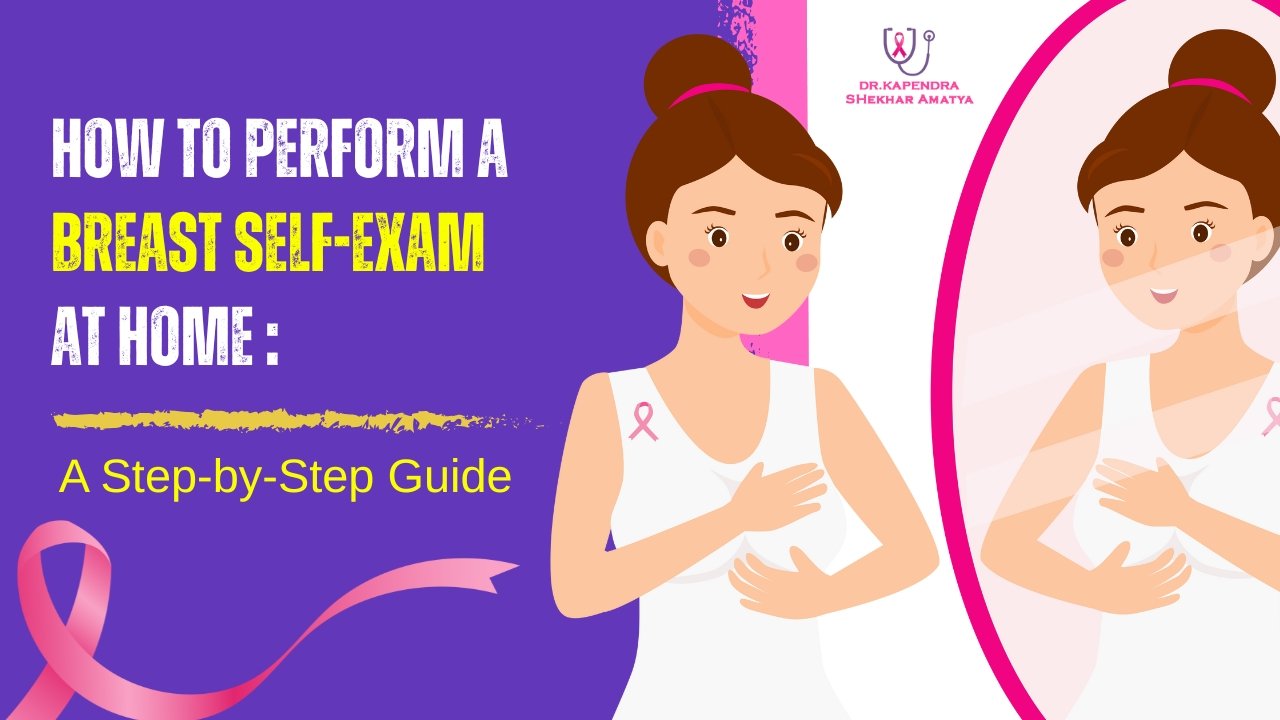
How to Perform a Breast Self Exam at Home: A Step-by-Step Guide

breast self exam

Introduction Breast cancer remains one of the most common cancers among women worldwide. Early detection saves lives. One of the most effective ways to catch early warning signs is through regular breast self exams. As a practitioner of integrative medicine, I, Dr. Kapendra Shekhar Amatya, encourage every woman to become familiar with her body. Understanding what is normal for your breasts can help you recognize changes early and seek timely medical advice. This guide offers a simple, clear, and medically-informed approach to performing a breast self exam at home. Why Breast Self Exams Matter? While mammograms and clinical exams are essential, self-exams empower women to monitor their own health. Here’s why they matter: When to Perform a Breast Self Exam? Timing matters. The best time to do a breast self exam is a few days after your menstrual cycle ends, when breasts are least likely to be swollen or tender. If you’re not menstruating, pick a consistent day each month. Step-by-Step Guide to a Breast Self Exam Step 1: Look at Yourself in the Mirror Stand topless in front of a mirror with your arms at your sides. Observe your breasts for: Next, raise your arms above your head. Check again for the same signs. Then, place your hands on your hips and press firmly to flex your chest muscles. Look for any asymmetry or unusual contouring. Step 2: Use the Shower Technique Many women find it easiest to do the physical exam in the shower because the skin is slippery. Check both breasts thoroughly. Step 3: Lie Down for a Deeper Check Lie flat on your back. This spreads the breast tissue more evenly. Repeat the same process for the left breast. Step 4: Check the Armpits Breast tissue extends into the armpit area. With your arm slightly raised (not straight up), use small circles to feel for lumps or thickening in the underarm region. What to Look For Here are signs that should prompt a visit to your doctor: Most breast changes are not cancer, but it’s always best to have them evaluated. Common Myths About Breast Self Exams How Often Should You Perform a Breast Self Exam? Once a month is the general recommendation. Consistency helps you become more aware of subtle changes. Mark a date on your calendar or set a reminder on your phone. The Role of Clinical Exams and Mammograms Self-exams are valuable but not a replacement for professional screenings: Follow national or regional guidelines on when to begin mammograms. Generally, women aged 40 and above should begin regular screening unless advised otherwise by a healthcare professional. Integrative Health Approach by Dr. Kapendra Shekhar Amatya As a homeopathic and integrative medicine practitioner, I believe prevention is the best cure. At my clinic, we support women in: Empowerment begins with knowledge. I encourage every woman to take her health seriously by practicing self-awareness and seeking regular medical care. Final Thoughts A breast self exam takes just a few minutes but can have a life-saving impact. Make it part of your monthly routine. If you find anything unusual, don’t panic but don’t delay consulting a healthcare professional. Frequently Asked Questions (FAQs) 1: Can men get breast cancer?        Yes, although rare, men can also develop breast cancer. Self-awareness is important for  everyone. 2: Is breast pain a sign of cancer?   Not usually. Most breast pain is related to hormonal changes. However, persistent or localized pain should be checked. 3: What age should I start doing self-exams?  Women should begin in their 20s. It builds awareness and encourages responsibility for your own health. Share This Guide If you found this guide helpful, share it with friends, sisters, mothers, or daughters. Let’s build a culture of awareness and proactive health. Stay informed. Stay empowered.