Colon Cancer Surgery: What to Expect Before, During & After

Colon cancer surgery

Colon cancer is one of the most common types of cancer worldwide, affecting thousands of people each year. When diagnosed early, it has a high chance of successful treatment, often through surgery. Dr. Kapendra Shekhar Amatya, a leading cancer surgeon in Nepal, specializes in colon cancer surgery and provides expert care for patients battling this disease. If you or a loved one is facing colon cancer surgery, understanding what to expect before, during, and after the procedure can help ease concerns and ensure a smooth recovery. Understanding Colon Cancer and Surgery Colon cancer begins in the large intestine (colon) and can spread if not treated in time. Surgery is one of the most effective treatments, especially in the early and intermediate stages. The type of surgery required depends on the stage and location of the tumor. Dr. Kapendra Shekhar Amatya performs advanced colon cancer surgeries, including minimally invasive laparoscopic and robotic-assisted procedures, to improve outcomes and reduce recovery time. Before Colon Cancer Surgery 1. Diagnosis and Consultation Once a patient is diagnosed with colon cancer, a consultation with an expert like Dr. Kapendra Shekhar Amatya is essential. He conducts a thorough evaluation, including imaging tests (CT scans, MRIs, or colonoscopies) and biopsy results, to determine the best surgical approach. 2. Preoperative Preparation Patients undergo various tests, such as blood work, heart function tests, and lung assessments, to ensure they are fit for surgery. Dr. Amatya provides personalized pre-surgery instructions, including dietary guidelines, medication adjustments, and lifestyle recommendations. 3. Bowel Preparation Before surgery, the colon needs to be cleaned. Patients are advised to follow a liquid diet 24 hours before surgery and take prescribed laxatives or bowel-cleansing solutions. This helps reduce the risk of infection and ensures a clear surgical field. 4. Mental and Emotional Readiness Surgery can be overwhelming, and Dr. Amatya emphasizes the importance of mental preparedness. Counseling, discussing concerns with the medical team, and seeking support from family and friends can help alleviate anxiety. During Colon Cancer Surgery 1. Types of Colon Cancer Surgery 2. Anesthesia and Procedure Patients are given general anesthesia to ensure they are asleep and pain-free during surgery. Dr. Amatya and his team perform the procedure with precision, removing the tumor and any affected lymph nodes while preserving as much healthy tissue as possible. 3. Duration of Surgery Colon cancer surgery can take anywhere from 2 to 4 hours, depending on the complexity of the case. Advanced laparoscopic and robotic techniques can sometimes reduce surgery time and improve patient outcomes. After Colon Cancer Surgery 1. Postoperative Hospital Stay Patients typically stay in the hospital for 3 to 7 days, depending on the type of surgery and individual recovery progress. During this period, pain management, fluid intake, and gradual reintroduction to food are closely monitored. 2. Recovery and Wound Care Proper wound care is crucial to prevent infections. Patients are given specific instructions on how to keep the surgical site clean and recognize any signs of complications such as redness, swelling, or unusual pain. 3. Diet and Nutrition After surgery, the digestive system needs time to heal. Patients start with clear liquids and gradually transition to soft foods before resuming a normal diet. Dr. Amatya recommends a high-fiber diet rich in vegetables, fruits, and whole grains to aid digestion and prevent constipation. 4. Physical Activity and Rehabilitation Walking is encouraged soon after surgery to prevent blood clots and promote healing. However, heavy lifting and strenuous activities should be avoided for at least six weeks. Some patients may require physical therapy to regain strength. 5. Follow-Up Appointments Regular follow-ups with Dr. Amatya are essential to monitor healing, assess for any recurrence, and discuss any further treatments if needed, such as chemotherapy or radiation therapy. 6. Long-Term Lifestyle Changes To prevent recurrence, patients are advised to: Why Choose Dr. Kapendra Shekhar Amatya for Colon Cancer Surgery? Dr. Kapendra Shekhar Amatya is one of Nepal’s top surgical oncologists, specializing in minimally invasive techniques for colon cancer surgery. His patient-centric approach, cutting-edge surgical expertise, and compassionate care make him a trusted choice for those seeking the best treatment for colon cancer. Final Thoughts Colon cancer surgery is a significant step toward recovery, and understanding what to expect before, during, and after the procedure can help ease concerns. With the right surgeon, proper preparation, and dedicated post-surgery care, patients can achieve a successful recovery and lead a healthy life. If you or someone you know is facing colon cancer, consult Dr. Kapendra Shekhar Amatya for expert guidance and world-class surgical care.


World Obesity Day: How Obesity Increases Breast Cancer

World Obesity Day

Introduction Every year, World Obesity Day is observed on March 4 to raise awareness about the increasing prevalence of obesity and its impact on global health. Obesity is not just a cosmetic issue it is a serious medical condition linked to various diseases, including heart disease, diabetes, and cancer. One of the most concerning connections is between obesity and breast cancer, a life-threatening disease affecting millions of women worldwide. As an experienced medical professional, Dr. Kapendra Shekhar Amatya emphasizes the importance of understanding how obesity contributes to breast cancer risk, particularly among postmenopausal women. In this blog, we will explore the scientific link between obesity and breast cancer, discuss prevention strategies, and highlight the role of World Obesity Day in spreading awareness. Understanding Obesity and Its Global Impact Obesity is defined as an excess accumulation of body fat, often measured by Body Mass Index (BMI). According to the World Health Organization (WHO): Global Statistics on Obesity These numbers highlight the urgent need for intervention through public awareness campaigns like World Obesity Day. Obesity increases the risk of several chronic diseases, but its role in cancer development is particularly alarming. The Link Between Obesity and Breast Cancer Scientific research confirms that obesity is a major risk factor for breast cancer, especially in postmenopausal women. Here’s how obesity contributes to breast cancer: 1. Increased Estrogen Levels 2. Chronic Inflammation and Cancer Growth 3. Insulin Resistance and Breast Cancer 4. Lower Survival Rates in Obese Breast Cancer Patients Obesity as a Risk Factor for Breast Cancer in Postmenopausal Women Postmenopausal women are at higher risk of developing breast cancer if they are obese. The reasons include: Key Statistics: Prevention and Management: Expert Insights from Dr. Kapendra Shekhar Amatya As an advocate for preventive healthcare, Dr. Kapendra Shekhar Amatya emphasizes the importance of lifestyle modifications to reduce both obesity and breast cancer risk. Here are his top recommendations: 1. Maintain a Healthy Diet 2. Exercise Regularly 3. Manage Stress and Sleep 4. Regular Health Screenings Call to Action: Spreading Awareness on World Obesity Day World Obesity Day serves as an important reminder that obesity is a preventable risk factor for many diseases, including breast cancer. Here’s how you can contribute to spreading awareness: 1. Educate Yourself and Others 2. Support Healthy Lifestyle Initiatives 3. Consult Experts Like Dr. Kapendra Shekhar Amatya Final Thoughts from Dr. Kapendra Shekhar Amatya Obesity is not just about weight it is about health. On this World Obesity Day, let’s take a step toward better health by adopting a balanced lifestyle. By managing weight effectively, we can reduce the risk of many life-threatening diseases, including breast cancer. Prevention starts with awareness, and awareness starts with you.

Breast Cancer in Nepal

Breast Cancer in Nepal

Breast cancer has become an alarming health concern worldwide, and Nepal is no exception. As the second most common cancer among Nepalese women, breast cancer poses significant health, economic, and social challenges. Late diagnosis, limited resources, and socio cultural barriers often hinder timely treatment, leading to higher mortality rates. However, amidst these challenges, healthcare professionals like Dr. Kapendra Shekhar Amatya, a renowned breast cancer surgeon in Nepal, are pioneering efforts to improve early detection, advanced treatment, and public awareness. The Growing Burden of Breast Cancer in Nepal Breast cancer in Nepal has been steadily rising, with 19.1% of all female cancer cases attributed to this disease. Urban areas report a higher incidence (21%) compared to suburban (16.9%) and rural regions (15.6%), reflecting disparities in lifestyle, awareness, and healthcare access. One of the major hurdles is the lack of comprehensive cancer registries. While hospitals maintain individual records, Nepal lacks a national population-based cancer registry, making it challenging to track the exact prevalence and outcomes of breast cancer across the country. Key Risk Factors for Breast Cancer in Nepal Several factors contribute to the increasing rates of breast cancer in Nepal: Challenges in Diagnosis and Treatment In Nepal, late-stage diagnosis is a persistent issue. Many women are unaware of the symptoms or delay seeking medical attention due to cultural stigmas or financial barriers. This often results in patients presenting with advanced-stage cancer, limiting treatment options and reducing survival rates. Screening programs are sparse, and while breast self-examination (BSE) and clinical breast examinations are encouraged, the lack of mammography and advanced diagnostic tools in rural areas hampers early detection. Dr. Kapendra Shekhar Amatya: Pioneering Breast Cancer Treatment in Nepal At the forefront of breast cancer treatment in Nepal is Dr. Kapendra Shekhar Amatya, a distinguished breast cancer surgeon with over two decades of experience. Dr. Amatya specializes in: His collaboration with oncologists and plastic surgeons ensures a multidisciplinary approach, utilizing the latest advancements in cancer treatment while addressing the unique needs of Nepalese women. Screening and Treatment Modalities in Nepal Despite resource constraints, Nepal offers various screening and treatment options for breast cancer: Screening Methods: Treatment Options: Raising Awareness and Future Directions A major factor contributing to late-stage diagnoses is the lack of awareness. Studies show that a significant percentage of Nepalese women are unaware of breast cancer symptoms, risk factors, and the importance of early detection. Dr. Amatya plays an active role in promoting breast health education, advocating for community-based awareness programs, and pushing for the implementation of national screening initiatives. His efforts are crucial in encouraging women to perform regular self-examinations and seek medical help promptly. Steps Forward: Conclusion Breast cancer continues to be a significant health challenge in Nepal. The combination of late diagnoses, inadequate resources, and limited awareness contributes to the rising burden of this disease. However, with the dedicated efforts of medical professionals like Dr. Kapendra Shekhar Amatya, Nepal is making strides in breast cancer treatment and awareness. Early detection, timely treatment, and public education are key to reducing breast cancer mortality in Nepal. By fostering collaboration between the government, healthcare providers, and communities, the country can build a robust healthcare system that supports women at every stage of their cancer journey.

Nepal’s Leading Breast Cancer Surgeon Revolutionizing Cancer Care

Breast Cancer Surgeon

Introduction Dr. Kapendra Shekhar Amatya is a name synonymous with excellence in cancer care in Nepal. As a renowned breast cancer surgeon and an expert in gastrointestinal surgery, Dr. Kapendra Shekhar Amatya has dedicated over two decades to transforming the landscape of surgical oncology in the country. His compassionate approach, combined with advanced surgical techniques, has made him a trusted figure for patients seeking comprehensive cancer treatment. A Journey of Excellence in Medicine Dr. Kapendra Shekhar Amatya’s remarkable medical journey began at Beijing Medical University, where he earned his MBBS in 1999 on a full scholarship. He further pursued an MS in General Surgery in 2004, cementing his foundation as a skilled surgeon. Over the years, he honed his expertise at some of Nepal’s most prestigious institutions, including the Nepal Cancer Hospital and Research Center, where he serves as the Consultant Surgical Oncologist and Head of the Department of Surgical Oncology. Pioneering Breast Cancer Treatment in Nepal Specializing in advanced breast cancer surgery, Dr. Kapendra Shekhar Amatya has introduced innovative techniques that prioritize minimally invasive procedures, reconstructive surgery, and patient-centered care. His focus extends beyond treatment, aiming to enhance quality of life and restore body image for cancer survivors. Key treatments and techniques include: Having trained in Thailand and South Korea, Dr. Kapendra Shekhar Amatya brings a global perspective to cancer care, applying cutting-edge practices to ensure optimal outcomes for his patients. A Legacy of Achievements Dr. Kapendra Shekhar Amatya’s surgical expertise spans a wide range of cancers, with an impressive record of over: As a member of the Board of Directors at the Nepal Cancer Hospital, Dr. Kapendra Shekhar Amatya plays a pivotal role in shaping the institution’s strategic direction and governance, ensuring that patients in Nepal have access to world-class cancer treatment. Advocacy for Cancer Awareness Beyond the operating room, Dr. Kapendra Shekhar Amatya is a passionate advocate for cancer awareness, using platforms like Facebook, Instagram, and LinkedIn to educate the public on: Transforming Lives Through Compassionate Care Dr. Kapendra Shekhar Amatya’s dedication to his patients is evident in every aspect of his work. His holistic approach combines technical expertise with empathy, making him a beacon of hope for countless individuals battling cancer. Conclusion: Why Choose Dr. Kapendra Shekhar Amatya For those seeking a trusted and experienced breast cancer surgeon in Nepal, Dr. Kapendra Shekhar Amatya stands out as a leader in the field. His innovative techniques, unparalleled expertise, and unwavering commitment to patient care make him a pioneer in oncology.

10 FAQs Related to Breast Health

Breast Health

Breast health is a critical aspect of overall well-being, yet it is often surrounded by misconceptions and a lack of awareness. Dr. Kapendra Shekhar Amatya, a leading oncologist in Nepal, has been at the forefront of raising awareness and providing expert care in this domain. In this blog, Dr. Kapendra Shekhar Amatya addresses some of the most frequently asked questions related to breast health, aiming to educate and empower individuals to take proactive steps towards better health. 1. What Are the Early Signs of Breast Cancer? Early detection is crucial for successful treatment of breast cancer. Dr. Kapendra Shekhar Amatya emphasizes that knowing the early signs can save lives. These signs include: If you notice any of these symptoms, Dr. Kapendra Shekhar Amatya advises seeking medical attention promptly for a thorough evaluation. 2. How Often Should I Perform a Breast Self-Examination (BSE)? Dr. Kapendra Shekhar Amatya recommends performing a Breast Self-Examination monthly. This practice helps you become familiar with the normal look and feel of your breasts, making it easier to detect any changes. Here’s a step-by-step guide from Dr. Amatya: Dr. Kapendra Shekhar Amatya emphasizes that while self-examinations are important, they should not replace clinical exams and regular screenings. 3. Are All Breast Lumps Cancerous? Not all breast lumps are cancerous, and many are benign. Dr. Kapendra Shekhar Amatya explains that common non-cancerous causes of breast lumps include: However, Dr. Kapendra Shekhar Amatya stresses the importance of consulting a doctor for any lump to rule out malignancy. 4. What Are the Risk Factors for Breast Cancer? Dr. Kapendra Shekhar Amatya identifies several risk factors associated with breast cancer: Dr. Kapendra Shekhar Amatya advises regular screenings and adopting a healthy lifestyle to mitigate these risks. 5. Does Breastfeeding Reduce the Risk of Breast Cancer? Yes, breastfeeding can reduce the risk of breast cancer. According to Dr. Kapendra Shekhar Amatya, breastfeeding lowers estrogen levels, which may reduce the chances of developing hormone-receptor-positive breast cancer. The longer a woman breastfeeds, the greater the protective effect. 6. What Should I Know About Mammograms? Mammograms are a critical tool for early detection of breast cancer. Dr. Kapendra Shekhar Amatya shares the following guidelines: Dr. Kapendra Shekhar Amatya highlights that mammograms can detect tumors too small to be felt, making them an invaluable tool for early detection. 7. Can Men Get Breast Cancer? While breast cancer is less common in men, it does occur. Dr. Kapendra Shekhar Amatya points out that men should be aware of the symptoms, which include: Men should not ignore any changes and should consult a doctor if they notice unusual symptoms. 8. How Can I Maintain Good Breast Health? Dr. Kapendra Shekhar Amatya recommends the following tips for maintaining optimal breast health: 9. What Are the Treatment Options for Breast Cancer? Dr. Amatya outlines the following treatment options, which depend on the stage and type of breast cancer: Dr. Kapendra Shekhar Amatya emphasizes the importance of a multidisciplinary approach tailored to the patient’s unique needs. 10. When Should I See a Doctor? Dr. Kapendra Shekhar Amatya advises consulting a doctor immediately if you experience: Early consultation can lead to timely diagnosis and better treatment outcomes. Final Thoughts Breast health awareness is vital for both prevention and early detection of potential issues. Dr. Kapendra Shekhar Amatya and his team are dedicated to providing expert care and guidance to individuals in Nepal and beyond. Regular screenings, a healthy lifestyle, and staying informed are key steps to maintaining breast health.

Breast Pain: 10 Reasons Your Breasts May Hurt

Breast Pain

Breast pain, or mastalgia, is a concern many women face at some point in their lives. While often harmless, it can also signal underlying health issues that require expert evaluation. Dr. Kapendra Shekhar Amatya, Nepal’s leading breast cancer surgeon, is dedicated to helping women understand and address breast pain. As the best breast surgical oncologist in Nepal, he offers comprehensive care for a wide range of breast health concerns. In this article, we’ll explore 10 common reasons why breasts may hurt, how Dr. Kapendra Shekhar Amatya’s expertise can help, and why seeking timely medical advice is crucial for optimal breast health. Who is Dr. Kapendra Shekhar Amatya? Dr. Kapendra Shekhar Amatya is recognized as one of Nepal’s most accomplished breast cancer surgeons. With years of experience and numerous successful cases, he has become a trusted name for diagnosing and treating breast-related conditions, including breast cancer, cysts, and other causes of breast pain. Dr. Kapendra Shekhar Amatya provides advanced surgical solutions, personalized care, and patient education. His holistic approach ensures patients feel empowered to make informed decisions about their health. Understanding Breast Pain Breast pain can range from mild discomfort to sharp, shooting sensations. It may occur in one or both breasts, be cyclical (linked to the menstrual cycle), or non-cyclical. While many cases are benign, persistent or severe pain warrants a consultation with an expert like Dr. Kapendra Shekhar Amatya to rule out serious conditions. 1. Hormonal Fluctuations: The Most Common Cause Hormonal changes during the menstrual cycle are the leading cause of breast pain. Estrogen and progesterone levels increase before menstruation, causing the breast tissue to swell, which can lead to tenderness or discomfort. Symptoms: What Dr. Kapendra Says: “Cyclical breast pain is usually harmless, but understanding its cause helps ease concerns. Women experiencing severe pain should consider hormonal therapies under medical supervision,” says Dr. Amatya. Solutions: 2. Breast Injury Breasts are sensitive and can be injured during physical activity, accidents, or surgery. Such trauma may lead to sharp, shooting pain followed by tenderness lasting days to weeks. When to See Dr. Kapendra Shekhar Amatya: Dr. Kapendra’s Approach:Dr. Kapendra Shekhar Amatya evaluates injuries using advanced imaging techniques to rule out complications like infections or hematomas and recommends personalized treatment plans. 3. Ill-Fitting Bras A poorly fitted or unsupportive bra can strain breast ligaments, especially during physical activities like exercise. This often results in discomfort by the end of the day. What You Can Do: Expert Advice from Dr. Kapendra:“Breast pain caused by inadequate support is common yet preventable. Always prioritize comfort and support when choosing bras.” 4. Chest Wall Pain Misinterpreted as Breast Pain Pain that feels like it’s coming from the breast might originate in the chest wall, which includes muscles, tissues, and ribs. Causes include pulled muscles, chest trauma, or inflammation around the ribs. Diagnosis and Treatment:Dr. Kapendra Shekhar Amatya uses advanced diagnostic tools to pinpoint the pain source and create a tailored treatment plan, whether it involves physiotherapy, medication, or other interventions. 5. Breastfeeding and Nipple Pain Breastfeeding is a beautiful experience but can sometimes cause discomfort, such as: Dr. Kapendra’s Expertise:Dr. Kapendra Shekhar Amatya collaborates with lactation consultants to help nursing mothers resolve pain while preserving milk supply. He also addresses complications like mastitis or abscesses. 6. Breast Infections (Mastitis) Mastitis is a common issue among breastfeeding women, but it can also occur in non-breastfeeding individuals. This infection causes localized pain, swelling, redness, and sometimes fever. Treatment with Dr. Kapendra:Dr. Kapendra Shekhar Amatya provides quick and effective treatment for mastitis, including antibiotics and drainage of abscesses when necessary. Early intervention prevents complications and ensures faster recovery. 7. Medications and Breast Pain Certain medications can cause breast pain as a side effect. These include: What Dr. Kapendra Recommends:“Always discuss side effects with your doctor. We can adjust or switch medications to alleviate breast pain without compromising treatment goals.” 8. Breast Cysts Breast cysts are fluid-filled lumps that can cause tenderness, particularly before menstruation. While benign, these cysts can be painful and alarming. How Dr. Kapendra Can Help:Dr. Kapendra Shekhar Amatya uses diagnostic tools like ultrasound and aspiration to confirm the nature of the cyst. He may drain the fluid if the cyst causes significant discomfort or monitor it for changes. 9. Breast Implants and Post-Surgical Pain Breast implant complications, such as capsular contracture or implant rupture, can lead to pain. Capsular contracture occurs when scar tissue tightens around the implant. Dr. Kapendra’s Expertise in Breast Surgery:As Nepal’s leading breast surgeon, Dr. Kapendra Shekhar Amatya specializes in treating implant-related complications. His precise surgical techniques ensure minimal discomfort and optimal aesthetic outcomes. 10. Breast Cancer: A Rare but Serious Cause While breast cancer rarely causes pain, certain types, like inflammatory breast cancer, can present with: Dr. Kapendra’s Role in Early Detection:Early detection is key. Dr. Kapendra Shekhar Amatya emphasizes the importance of routine screenings and diagnostic evaluations for persistent pain. His expertise in breast cancer surgery ensures the best outcomes for patients. Why Choose Dr. Kapendra Shekhar Amatya for Breast Health Concerns? 1. Expertise in Breast Cancer Surgery Dr. Kapendra Shekhar Amatya is a pioneer in breast cancer surgery in Nepal. He offers state-of-the-art diagnostic and surgical care, ensuring patients receive accurate diagnoses and effective treatment. 2. Personalized Patient Care Each patient’s journey is unique. Dr. Kapendra Shekhar Amatya tailors his approach based on individual needs, providing compassionate care every step of the way. 3. Advanced Diagnostic Tools From mammograms to ultrasounds, Dr. Kapendra Shekhar Amatya uses the latest technology to diagnose breast conditions accurately and quickly. 4. Focus on Patient Education Dr. Kapendra Shekhar Amatya believes informed patients make better decisions. He ensures every patient understands their diagnosis, treatment options, and recovery process. When Should You See Dr. Kapendra? If you’re experiencing any of the following symptoms, it’s time to book an appointment: Book Your Appointment with Dr. Kapendra Today Don’t ignore breast pain. Early intervention can make a significant difference in your health outcomes. Dr. Kapendra Shekhar Amatya, Nepal’s best breast cancer surgeon, is here … Read more

Boosting Breast Health Through Diet: The Top Nutritional Strategies

Breast Doctor in Nepal

Breast health is a cornerstone of overall well-being, and maintaining it requires a combination of regular medical care, a healthy lifestyle, and a balanced diet. Whether you’re looking for preventive tips or seeking guidance from a trusted breast cancer surgeon in Nepal, understanding how nutrition impacts breast health is crucial. Dr. Kapendra Shekhar Amatya, one of Nepal’s leading breast doctor, emphasizes that a strategic approach to diet can play a key role in maintaining breast health and reducing risks of diseases like breast cancer. In this blog, we’ll explore evidence-based nutritional strategies tailored to empower you on your journey to better breast health. The Connection Between Nutrition and Breast Health Scientific evidence shows that diet directly affects hormonal balance, cellular health, and inflammation levels, all of which influence breast health. A diet rich in nutrients and free of harmful substances can significantly lower the risk of breast conditions. As a renowned breast cancer specialist, Dr. Kapendra Shekhar Amatya recommends incorporating specific foods into your diet while avoiding certain harmful habits. Let’s dive into these top strategies. 1. Eat More Antioxidant-Rich Foods Antioxidants are essential for protecting breast cells from oxidative stress, which is a leading cause of cell damage. These compounds neutralize free radicals and improve overall cellular health. Top Antioxidant-Rich Foods: Incorporating these foods into your daily meals helps boost your breast health and overall immunity. 2. Prioritize a Plant-Based Diet Plant-based foods provide phytonutrients and fiber that regulate hormones and support healthy digestion. Fiber, in particular, helps to lower estrogen levels, reducing the risk of hormone-related breast conditions. Foods to Include: Dr. Kapendra Shekhar Amatya advises women to incorporate a variety of plant-based foods into their meals to promote hormonal balance and support breast health. 3. Focus on Healthy Fats Not all fats are harmful—some, like omega-3 fatty acids, are beneficial for breast health. Healthy fats reduce inflammation and support cellular integrity. Best Sources of Healthy Fats: By including these in your diet, you can promote breast tissue health and reduce risks associated with inflammation. 4. Limit Processed and Sugary Foods Processed and sugary foods are linked to weight gain and chronic inflammation, both of which increase the risk of breast disease. Foods to Avoid: As an experienced breast doctor in Nepal, Dr. Kapendra Shekhar Amatya encourages his patients to minimize these foods to maintain optimal breast and overall health. 5. Include Cruciferous Vegetables Cruciferous vegetables like broccoli, cauliflower, and cabbage are rich in glucosinolates, which have cancer-preventive properties. Benefits of Cruciferous Veggies: Adding these vegetables to your diet is a simple yet powerful way to protect breast tissue. 6. Hydrate with Herbal Teas and Water Proper hydration ensures that your body functions efficiently and helps in the detoxification process. Herbal teas, especially green tea, contain polyphenols that protect cells and reduce inflammation. Tips for Staying Hydrated: Dr. Kapendra Shekhar Amatya highlights hydration as a key factor in maintaining overall wellness, including breast health. 7. Use Turmeric to Fight Inflammation Turmeric contains curcumin, a natural anti-inflammatory compound that protects cells from damage and promotes healing. How to Add Turmeric to Your Diet: This golden spice is a favorite recommendation from Dr. Kapendra Shekhar Amatya for its versatility and health benefits. 8. Avoid Excessive Alcohol Alcohol consumption is a known risk factor for breast cancer. It increases estrogen levels and damages DNA, contributing to the development of cancer. Tips to Cut Back: For those concerned about their risk, Dr. Kapendra Shekhar Amatya advises minimizing alcohol altogether. Why Choose Dr. Kapendra for Your Breast Health Dr. Kapendra Shekhar Amatya is a highly respected breast cancer surgeon in Nepal, known for his patient-centric approach and expertise in breast health care. Whether you need preventive advice, diagnostic services, or surgical intervention, Dr. Kapendra Shekhar Amatya combines state-of-the-art technology with compassionate care. By focusing on both medical treatments and lifestyle changes, he ensures that his patients achieve the best possible outcomes. Conclusion A healthy diet is a powerful tool for boosting breast health. By incorporating antioxidant-rich foods, healthy fats, and plant-based nutrition while avoiding processed foods and alcohol, you can significantly reduce your risk of breast diseases. If you’re seeking expert guidance or treatment, Dr. Kapendra Shekhar Amatya is your trusted partner for breast health. Visit his clinic or learn more about his services at drkapendra.com.np. Take control of your breast health today—because prevention is the best medicine.

Best Breast Specialist Doctor in Kathmandu

breast specialist doctor in Kathmandu

Are you searching for the best breast specialist doctor in Kathmandu? Whether you need expert guidance on breast health, regular screenings, or advanced treatment, Dr. Kapendra Shekhar Amatya is the leading breast doctor and breast surgeon in Nepal. With decades of experience, he provides compassionate care and cutting-edge solutions for all breast-related concerns. Who is Dr. Kapendra Shekhar Amatya? Dr. Kapendra Shekhar Amatya is a trusted name in Nepal for breast health care. With over 20 years of experience in surgical oncology, he specializes in diagnosing and treating breast cancer. His expertise as a breast specialist doctor in Kathmandu extends beyond surgery, focusing on comprehensive care that ensures the best outcomes for patients. Educational Background Dr. Kapendra Shekhar Amatya holds an MBBS degree from Beijing Medical University, China, and has undergone advanced training in: This international exposure ensures he stays at the forefront of the latest advancements in breast cancer treatment, making him one of the top breast surgeons in Nepal. Professional Achievements Dr. Kapendra Shekhar Amatya has held prominent roles in Nepal’s leading hospitals, including: His dedication to providing world-class care has made him a highly sought-after breast specialist doctor in Kathmandu. Why Choose Dr. Kapendra Shekhar Amatya? 1. Advanced Expertise in Breast Cancer Treatment Dr. Kapendra Shekhar Amatya is renowned for offering advanced surgical techniques as a breast surgeon in Nepal. These include: His holistic approach ensures patients receive physical and emotional care during and after treatment. 2. Emphasis on Early Detection and Prevention As an experienced breast doctor, Dr. Kapendra Shekhar Amatya emphasizes the importance of early detection. Regular screenings, self-breast exams, and mammograms can detect abnormalities early, significantly improving outcomes. 3. Patient-Centered Care Dr. Kapendra Shekhar Amatya is not just a skilled breast specialist doctor in Kathmandu he’s also a compassionate caregiver. He understands that discussing breast health can be sensitive, especially for women in Nepal. His patient-first approach ensures a safe, supportive environment for every individual. Signs You Need to See a Breast Specialist Noticing any unusual changes in your breast? Consult a breast doctor if you experience: Even without symptoms, regular check-ups with a breast specialist doctor in Kathmandu like Dr. Kapendra Shekhar Amatya are essential for early detection and peace of mind. What Services Does Dr. Kapendra Shekhar Amatya Provide? Dr. Kapendra Shekhar Amatya’s services as a breast surgeon in Nepal are comprehensive, offering: 1. Breast Cancer Screening and Diagnosis He uses advanced diagnostic tools like clinical exams, mammograms, ultrasounds, and biopsies to detect breast conditions accurately. 2. Surgical Treatment for Breast Conditions Whether it’s a benign lump or breast cancer, Dr. Kapendra Shekhar Amatya ensures the best surgical care. His expertise in breast-conserving surgery and reconstruction surgery makes him a top choice for patients looking for a trusted breast doctor. 3. Post-Treatment Care Post-surgery care is as important as the procedure itself. Dr. Kapendra Shekhar Amatya provides comprehensive follow-ups and emotional support, ensuring patients recover holistically. 4. Education and Preventive Guidance As a leading breast specialist doctor in Kathmandu, Dr. Kapendra Shekhar Amatya educates patients on prevention strategies and healthy lifestyle habits to reduce the risk of breast diseases. Where Can You Find Dr. Kapendra Shekhar Amatya? Dr. Kapendra Shekhar Amatya practices at the Nepal Cancer Hospital and Research Center in Harisiddhi, Lalitpur. The hospital offers state-of-the-art facilities, making it a trusted destination for those searching for a breast specialist doctor in Kathmandu or a skilled breast surgeon in Nepal. Why Breast Health Awareness Matters in Kathmandu In Nepal, breast health awareness is growing, but many individuals still delay seeking medical advice due to stigma or lack of information. Dr. Kapendra Shekhar Amatya is committed to breaking these barriers by encouraging regular check-ups and creating awareness about the importance of early diagnosis. Breast Cancer in Nepal: Key Facts How to Book an Appointment Booking an appointment with Dr. Kapendra Shekhar Amatya is easy. Visit his official website drkapendra.com.np for more information or to schedule a consultation. Whether you are in Kathmandu, Lalitpur, or Bhaktapur, he is the ideal choice for those searching for a breast specialist doctor in Kathmandu or an expert breast surgeon in Nepal. Conclusion: Your Trusted Breast Specialist Doctor in Kathmandu Dr. Kapendra Shekhar Amatya is more than just a breast surgeon in Nepal—he is a compassionate advocate for breast health. Whether you’re concerned about a lump, need cancer treatment, or want guidance on preventive care, Dr. Kapendra Shekhar Amatya offers expert solutions tailored to your needs. If you’re searching for a breast specialist doctor in Kathmandu, don’t wait. Take charge of your health today by consulting with Dr. Kapendra Shekhar Amatya, the most trusted breast doctor in the region. Visit drkapendra.com.np or the Nepal Cancer Hospital and Research Center to schedule your appointment. Your breast health deserves the best care available.

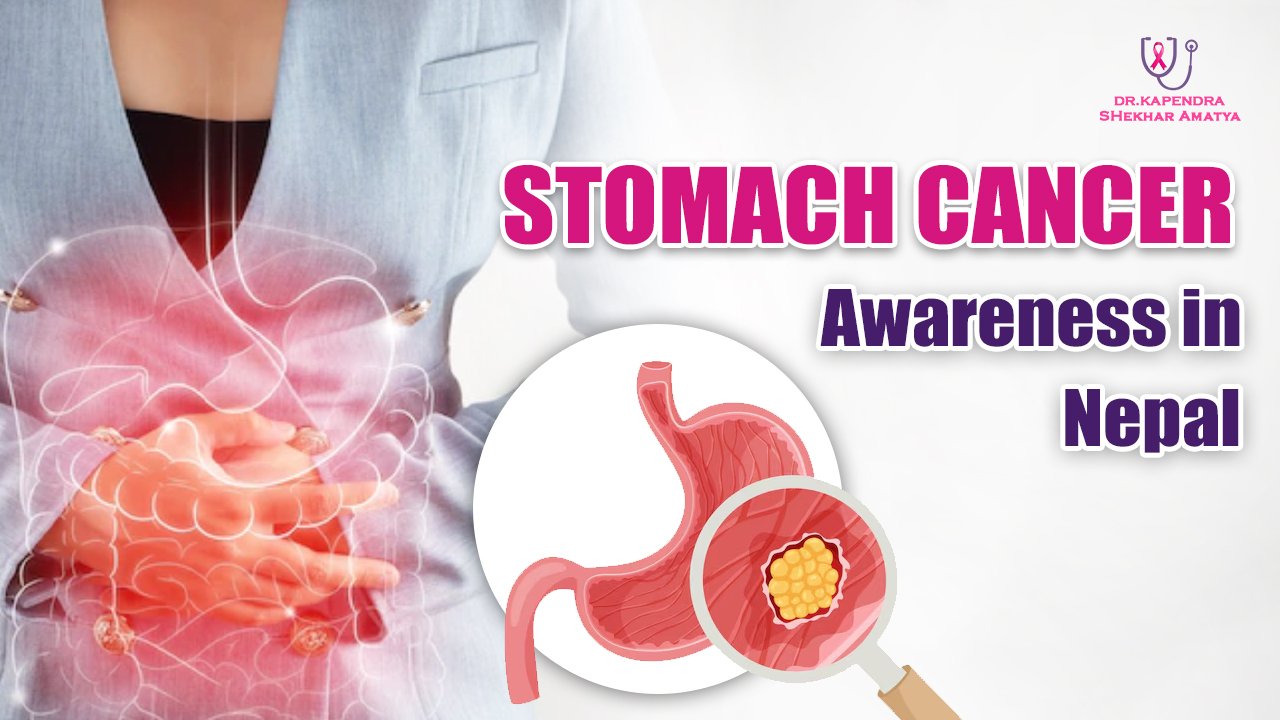
Stomach Cancer Awareness in Nepal: Symptoms, Causes, and Prevention

Stomach Cancer

Stomach cancer, also known as gastric cancer, is a pressing health concern in Nepal. Many individuals remain unaware of its early symptoms and potential risk factors, which can lead to late-stage diagnoses and limited treatment options. By spreading awareness and focusing on prevention strategies, we can work towards reducing the burden of stomach cancer in Nepal. This blog, created to support those seeking information on stomach cancer awareness, will guide you through the symptoms, causes, and prevention strategies for this condition, with expert advice from Dr. Kapendra Shekhar Amatya. Introduction to Stomach Cancer in Nepal Stomach cancer develops when abnormal cells grow uncontrollably in the stomach lining. While it can occur anywhere globally, factors such as dietary habits, limited healthcare access, and infections like H. pylori make it particularly concerning in Nepal. According to global health data, gastric cancer is one of the leading causes of cancer-related deaths. In Nepal, the consumption of preserved, salty foods and the prevalence of untreated H. pylori infections contribute to a growing number of cases. Dr. Kapendra Shekhar Amatya stresses the importance of early diagnosis and prevention in combating this disease. Why Stomach Cancer Awareness Matters Many people in Nepal attribute stomach cancer symptoms to common gastrointestinal issues, delaying necessary medical attention. Early detection is crucial because treatments for advanced stages, such as chemotherapy and surgery, are far more complex and costly. By raising awareness about symptoms, causes, and preventative measures, we can encourage early medical intervention, potentially saving lives. Key Symptoms of Stomach Cancer Recognizing the symptoms of stomach cancer early can make all the difference. Be vigilant for these warning signs: If you or a loved one in Nepal experiences these symptoms persistently, seek medical advice immediately. Dr. Kapendra and his team are well-equipped to assist with early diagnosis and management. Major Causes of Gastric Cancer in Nepal Several factors contribute to stomach cancer. Below are the most common causes: Addressing these causes through lifestyle changes and timely treatment can dramatically lower the incidence of gastric cancer in Nepal. How to Prevent Stomach Cancer: Tips for Nepali Residents Preventing stomach cancer is achievable with simple, proactive measures. Here’s what you can do: 1. Adopt a Healthy Diet 2. Stop Smoking and Limit Alcohol 3. Seek Treatment for H. pylori Infections     Consult a healthcare professional if diagnosed with H. pylori. Early treatment can prevent long-term damage. 4. Regular Medical Check-Ups 5. Maintain a Healthy Lifestyle     Engage in regular exercise to manage weight and boost immunity.      Avoid stress, which negatively impacts overall health. The Importance of Regular Screening in Nepal Many individuals in Nepal delay medical check-ups due to cost or lack of awareness. However, regular screenings are vital for early detection. Endoscopy, for instance, can identify abnormalities in the stomach lining before they progress into cancer. Dr. Kapendra emphasizes the availability of advanced diagnostic and treatment options. Expert Advice from Dr. Kapendra Shekhar Amatya As one of Nepal’s leading healthcare professionals, Dr. Kapendra Shekhar Amatya has extensive experience in diagnosing and treating gastric disorders. He is dedicated to spreading awareness about stomach cancer and providing patients with personalized care plans. You can trust Dr. Kapendra’s expertise for a thorough evaluation of your risk factors and a tailored prevention strategy.  Final Thoughts Stomach cancer is a preventable and treatable condition if diagnosed early. By recognizing symptoms, addressing risk factors, and adopting healthy habits, individuals in Nepal can significantly reduce their risk. Dr. Kapendra Shekhar Amatya urges everyone to prioritize their health by scheduling regular check-ups and making informed lifestyle choices. 

How Fast Does Stomach Cancer Spread

How Fast Does Stomach Cancer Spread

Stomach cancer, also known as gastric cancer, is a concerning health issue affecting many. A common question is, “How fast does stomach cancer spread?” Understanding this and recognizing early signs of stomach cancer is essential for anyone at risk. Dr. Kapendra Shekhar Amatya, a leading expert in gastrointestinal oncology, shares insights into the progression, stages, and symptoms of stomach cancer and offers guidance on early detection and timely treatment. How Fast Does Stomach Cancer Spread? When diagnosed early, stomach cancer often progresses slowly, limited to the stomach lining. However, untreated cases or late-stage diagnoses may spread faster, affecting nearby tissues and organs. According to Dr. Kapendra Shekhar Amatya, the speed at which stomach cancer spreads depends on several factors, including the cancer’s stage, the person’s overall health, and lifestyle influences. Knowing how fast stomach cancer spreads can help patients make informed decisions on treatment and lifestyle modifications to reduce the risk of further progression. Early detection and treatment by specialists like Dr. Kapendra Shekhar Amatya can make a critical difference in managing the spread of stomach cancer effectively. Understanding Stomach Cancer Stages Stomach cancer progresses through well-defined stages. Each stage represents how much the cancer has grown or spread: Understanding these stomach cancer stages can help patients recognize the urgency of seeking medical intervention and following a treatment plan suited to their specific stage. Recognizing Early Signs and Stomach Cancer Symptoms Knowing the early signs of stomach cancer is key to catching it before it spreads further. Common early signs of stomach cancer include: Dr. Kapendra Shekhar Amatya stresses that even subtle signs should prompt a medical evaluation, especially in individuals with a family history of stomach cancer. Early signs of stomach cancer can often be dismissed as common digestive issues, so awareness and timely screening are crucial. Factors Influencing How Fast Stomach Cancer Spreads The progression rate of stomach cancer varies depending on factors like: According to Dr. Kapendra Shekhar Amatya, these factors make regular screenings and lifestyle adjustments essential for high-risk individuals to reduce the likelihood of stomach cancer spreading quickly. Treatment Options: Slowing the Spread of Stomach Cancer Dr. Kapendra Shekhar Amatya recommends personalized treatment approaches depending on the stage of the cancer and the patient’s overall health. Key treatment options include: Each treatment is tailored to the patient’s needs, and Dr. Amatya emphasizes that timely treatment can effectively reduce the speed at which stomach cancer spreads. How Early Detection Can Improve Outcomes The best way to prevent stomach cancer from spreading rapidly is through early detection. Dr. Kapendra Shekhar Amatya advocates for regular screenings, especially for individuals with a history of stomach cancer in the family. Routine check-ups allow for detection in the initial stages, significantly slowing the progression rate and improving treatment outcomes. Final Takeaway: Stay Informed and Seek Prompt Medical Advice For anyone at risk, understanding how fast stomach cancer can spread and recognizing the early signs of stomach cancer is vital. By consulting specialists like Dr. Kapendra Shekhar Amatya, individuals can make proactive decisions that improve treatment effectiveness and reduce the impact of stomach cancer. Early detection, timely intervention, and adopting a healthier lifestyle are the best ways to address this serious health issue and improve long-term outcomes.