4 Effective Ways To Prepare Yourself For Lumpectomy Surgery

Lumpectomy Surgery

A lumpectomy surgery involves removing cancerous or abnormal tissue from your breasts. An initial lumpectomy removes a small amount of healthy tissue surrounding the cancer or other abnormality. Having all the abnormal tissue removed in this way ensures that it is completely removed.  Early-stage breast cancer can be treated with lumpectomy. It is sometimes used to rule out cancer after a lumpectomy. To reduce the chances of cancer returning after lumpectomy surgery, radiation therapy is usually administered to the breast. Who Should Go for Lumpectomy? A lumpectomy may be right for you if:  • Your breast is only affected by cancer in one area.  • When compared to the size of your breast, a tumor is relatively small  • It is expected that you will have enough remaining tissue after your tumor has been removed to reshape your breast.  • Radiation treatment can be completed.  When Should You Not Choose Lumpectomy as an Option? Several factors may prevent your healthcare provider from recommending a lumpectomy. Large cancer or multiple tumors in one breast may prevent you from undergoing this procedure. A lumpectomy is usually followed by radiation therapy. In the case that your provider doesn’t recommend radiation therapy or you do not wish to have radiation, a lumpectomy might not be a good option for you. In cases where you previously received radiation therapy in the same breast or are pregnant, your provider may recommend avoiding radiation. A lumpectomy and radiation may also be avoided if you have:  • An increase in your risk of getting breast cancer again due to a genetic mutation  • An inflammatory breast cancer  • Radiation therapy side effects may be more severe if you suffer from Lupus or another medical condition. Why Should You Choose Lumpectomy Over Other Procedures?  The purpose of a lumpectomy is to remove cancerous tissue from your breast while protecting its appearance. For early-stage breast cancer, a lumpectomy followed by radiation therapy is as effective as removing the entire breast (mastectomy). If a biopsy shows that you have cancer, and if the cancer is small and in its early stages, your doctor may recommend a lumpectomy. A lumpectomy may also be used to remove abnormalities of the breast that are not cancerous or precancerous. Is it Effective to Get Radiation after Surgery? Radiation treatments are usually performed after lumpectomy surgery to eliminate any remaining microscopic cancer cells. Breast cancer patients typically receive this combination of treatments. This treatment effectively treats cancer while preserving more of the natural appearance and feel of your breast. According to research, lumpectomy plus radiation is nearly as effective at extending life as mastectomy (removal of a whole breast). How is Lumpectomy Usually Done? When we see a suspicious breast lump first question that arises is, Is this Cancer?  Here we still rely of the triple assessment  1. Clinical Examination 2. Imaging: Mammogram, USG Breast, and if needed MRI Breast. 3. Tissue diagnosis: Core Biopsy (FNA as the last resort). This will give us the answer if the lesion is malignant or not. When diagnosed with Cancer, we further need to address two key issues. 1. What type of cancer it is? This is also called it subtyping; for this we rely on IHC for ER/PR, Her2Neu, Ki67. 2. Staging or Has the cancer spread? a.      How extensive is the cancer involvement within the breast? The extent of cancer involvement within the breast is usually determined by the findings of the biopsy, the results of the mammogram, the ultrasound, and, in some cases, the results of the breast MRI scan. b.      Is there evidence that the tumor has moved to areas outside of the breast (metastasized)? When these tumor cells lodge themselves in a lymph node (gland) or an organ such as the liver or the bones, they grow, eventually producing a mass or lump that can sometimes be felt or may only be evident because they cause symptoms such as bone pain and/ or can be seen on an imaging test such as a  CT scan, a bone scan, or a positron emission tomography (PET) scan. Patients usually go home the same day after lumpectomy surgery. Typically, the procedure lasts about an hour. The surgeon cannot see breast cancer, so the cancer is usually marked before surgery to assist in guiding them. The radiologist can insert a small chip or wire into the breast cancer to localize the cancer before surgery. A lumpectomy involves removing the tumor and healthy breast tissue along with the tumor. In order to ensure that no cancer cells are left behind, surgeons leave a thin border of healthy breast tissue surrounding the tumor. To preserve your natural breast, providers remove only the tissue necessary to treat cancer. At the time of surgery, the pathologist and surgeon are unable to see the cancer. Therefore, determining the pathology results takes approximately seven to ten days.  To help reduce the amount of pain you will experience after surgery, your surgeon will probably administer pain medication to the surgical area. Additionally, the surgeon will place small marking clips at the site of the lumpectomy to assist the radiation oncologist. A dissolvable, internal stitch is then used to sew the breast tissue back together.  Consulting with Doctor for Lumpectomy Surgery So as to go for the lumpectomy procedure, you must first consult with your oncologist thoroughly. You can either make an appointment with a surgical oncologist or a medical oncologist who will tell you everything in detail about your surgery. Your breast cancer oncologist will help you in each and every step during the entire surgical procedure. The breast cancer treating doctor can also help you deal with any additional side effects of the surgery.  What Happens Before The Lumpectomy Procedure? Oncoplastic lumpectomy is a combined team approach surgery that enlists the help of a plastic/reconstructive surgeon in cases of large tumors. Unlike a traditional lumpectomy, an oncoplastic operation involves removing a larger piece of breast tissue and reshaping it … Read more
7 Breast Health Important Tips💡

Breast Health Important tips

A vital part of staying healthy is being aware of your breast health. Women are more likely than men to develop breast cancer, which is second only to lung cancer in terms of prevalence. In addition to benign breast changes, you can also have intraductal papillomas or cysts in your breasts. It is important to keep an eye on any changes in your breasts and to consult your healthcare provider if you notice any abnormal changes. Why to Prioritize Your Breast Health? Every day is filled with too many things to do. There are a lot of responsibilities in life, such as family, career, and taking care of others. While working through your to-do list, it can be challenging to prioritize self-care. Nevertheless, it is important to take time for yourself and focus on your health, wellness, and breast health. It is so important to schedule a screening mammogram each year for a variety of reasons. A few of them are listed below: There is a high incidence of breast cancer among young women as well In addition to being a woman, aging is one of the biggest risk factors for breast cancer. One in eight women will develop breast cancer during her lifetime, and one in six will develop it between the ages of 40 and 49. Breast cancer is more likely to be hereditary among young women than among older women, although most women diagnosed have no family history of the disease. A young woman who develops breast cancer is also more likely to find it at a later stage and to have a more aggressive and difficult time treating it. It is for all of these reasons that breast health experts recommend having an annual screening mammogram starting at forty years old. The biggest mortality reduction, the most lives saved, and the greatest life years gained have been shown by clinical experience to be achieved by annual screening at age 40+. Mammography saves 40% more life in women in their 40s than in women any age other than their own. This can be seen as one of the reasons why early detection of breast cancer saves more lives than late detection. Detecting cancer early saves lives Patients and their families can save more lives with early breast cancer detection, less invasive treatments, and reduced healthcare costs. Screening mammography has made it possible to detect breast cancer at an early stage when it is most treatable. In order to improve patient outcomes, 3D mammograms can detect breast cancer 2-3 years before the patient or physician feels a lump. Five-year survival rates for women diagnosed with Stage 0 or Stage 1 are nearly 100%. Each year, mammograms save approximately 6,500 women’s lives and reduce breast cancer deaths by approximately 40%. Breast health experts warn women against skipping your yearly mammogram or going longer intervals in between as this may leave cancers undetected, putting them at greater risk. Because of the importance of annual mammograms in detecting and treating breast cancer, they do not recommend skipping your yearly screening or going longer intervals in between. If you have any changes in your breast health or potential risk factors for breast cancer, discuss them with your provider at your annual well visit. Mammograms can be performed starting at age 40 if there are no concerns. To establish a baseline, women at risk for breast cancer can begin screening at 35 if they have identified risk factors. You can fit it into your busy schedule Annual mammograms can be scheduled around your busy schedule. Appointments can be scheduled at convenient times and even the next day, and the examination itself will take less than 30 minutes. Women age 40 and over do not need a physician’s referral to receive an annual screening mammogram, and most insurance plans cover 100% of the cost. The importance of prioritizing your breast health cannot be overstated. No matter when you schedule your mammogram, it is vital for your wellbeing. Best Breast Health Tips For You Here are some tips for breast care if you’re ready to start feeling your best and pursuing a healthier lifestyle.  Ensure breast health by screening yourself You can detect early signs of cancer by regularly checking your breasts once a month. Set a reminder on your smartphone to remind you to do this each month so you don’t forget. Take a breast self-exam You will become familiar with your breast’s size, shape, and texture over time as you regularly perform self-examinations. As a result, you’ll notice if anything feels off or if there are any discharges, rashes, or lumps on your breast. You should schedule an appointment with your doctor if you notice a lump or something irregular. Keep calm and don’t panic. It is possible for breast lumps to be caused by other conditions besides cancer. The best way to determine if there are any concerns is to consult with your doctor. Stop smoking cigarettes There is no doubt that smoking is one of the most important causes of many serious illnesses, including breast cancer. Compared with non-smokers, women who smoke have a 30% higher risk of breast cancer. The risks associated with smoking increase with time, with years of smoking increasing the risk. You may be able to reduce your risk of developing breast cancer later in life if you quit now. Learn about your family’s history Make sure to ask your relatives and loved ones if they have any history of breast cancer. Gene mutations passed down from parents to children are believed to cause 5-10% of breast cancer cases. This information can help you detect any mutation early on if you share it with your medical provider. Weight management Your breast health is important to the health of your body, as we mentioned earlier. There have been links between high estrogen levels in fat cells and certain types of cancer. It is actually possible for staying active to shrink fat cells, thus reducing the amount of … Read more

Unveiling the Side Effects of Radiation Therapy

The side effects of radiation therapy is normal. Even though many of these can be treated or avoided, and the majority will disappear once treatment or therapy is stopped yet it’s hard to know what kind of side effects you’ll get. Depending on the part of your body being treated and the type of radiotherapy you receive, the severity of the side effects is seen, which can vary from person to person. Common side effects include the following: Additionally, radiation therapy can cause specific side effects that affect specific body parts ranging including the head, chest, and many more. Radiation therapy can have few or no side effects for some people. While some of you suffer from more severe side effects.  The reactions to radiation therapy typically begin in the second or third week of treatment. And, they might persist for several weeks following your final treatment resulting in long-term side effects as well. Thus, based on duration these can be classified as early and late side effects. You might experience early side effects during or shortly after treatment. These after-effects will generally be short-term, moderate, and treatable. Such side effects usually disappear within a few weeks. After treatment is finished, skin changes and fatigue are the most frequent early side effects. together with mouth problems and hair loss when treatment is given in this area. Depending on the prescribed dose and schedule, you may experience one or more radiation-related side effects. When treatment is stopped, most side effects go away within a few months. Because it takes some time for healthy cells to recover from radiation, some side effects may persist after treatment is finished. The area that was treated as well as the radiation dose used determines the risk of late side effects. However, Serious long-term side effects can be avoided with careful treatment planning. If you experience side effects that are bothersome and impact your health or daily activities, the doctor may suspend your treatment for some time, alter the schedule, or change the type of treatment you are receiving. How to cope with side effects of radiation therapy treatment High energy is used to kill tumor cells by radiation therapy to treat cancer resulting in certain side effects. The effects of radiation therapy differ from person to person. Some of you might experience early side effects while others may experience late effects. Skin changes and fatigue are common side effects of radiation therapy for many patients as per the American Cancer Society. These side effects, on the other hand, are influenced by the radiation dose and the area of the body being treated. If you develop bad side impacts, the specialist might stop your therapies for some time, change the timetable, or change the treatment you are getting. But, a question arises: “What can you do to take care of yourself while receiving radiation therapy?” You can take certain precautions during radiation therapy to ensure your better health. After receiving a cancer diagnosis, many patients have trouble sleeping, and others begin to feel tired near the end of radiation therapy. Your mood can be affected by exhaustion and lack of sleep, which can make it harder to manage the stress of cancer treatment. You might feel exhausted more than usual. Therefore you should ensure that you get enough rest and a lot of sleep. Based on the region of your body getting radiation (for instance, the belly or pelvic region), your primary care physician might propose changes in your eating regimen. Due to nausea or a lack of nutrients during treatment, many cancer patients suffer from malnutrition. To avoid becoming malnourished and dehydrated, consume plenty of fluids alongside a well-balanced diet. The skin in the treatment area may become more sensitive or appear and feel sunburned if you receive external radiation therapy. In an article by Maurie Markman, during treatment, skin changes may be inevitable, but you can take precautions to avoid burns or infections and manage them. Before using anything on the treated area—including soap, lotion, deodorant, medicines, perfume, cosmetics, talcum powder, or anything else—consult your doctor. It is not recommended to Rub, scrub, or apply heat or cold to the treatment area with things like an ice pack, heat lamp, or heating pad. Furthermore, you should keep the treated area out of direct sunlight as sunlight may make your skin more sensitive. Even if you use a sunscreen-containing lotion, you must first ask your doctor. For patients during radiation treatment physical activity can assist with fatigue, mindset issues, and stress. Even taking a short walk can be beneficial for you.  However, During radiation, we generally do not recommend starting new, rigorous exercises. Get the help you need. You are likely to feel a variety of emotions during your cancer diagnosis and treatment, including fear, anxiety, depression, and hopelessness. Talking about your feelings with a close friend, family member, nurse, social worker, psychologist, chaplain, or other spiritual leader may be helpful. MS (NMC Regd.2902) Dr.Kapendra Shekhar Amatya Head of the Department, Sr.Consultant Surgical Oncologist at Nepal Cancer Hospital and Research Center Director: Breast Cancer Program Interest: Breast Cancer Surgery, Gastro Intestinal Cancer Surgery (Stomach and Colo-Rectal Cancer) Consult now

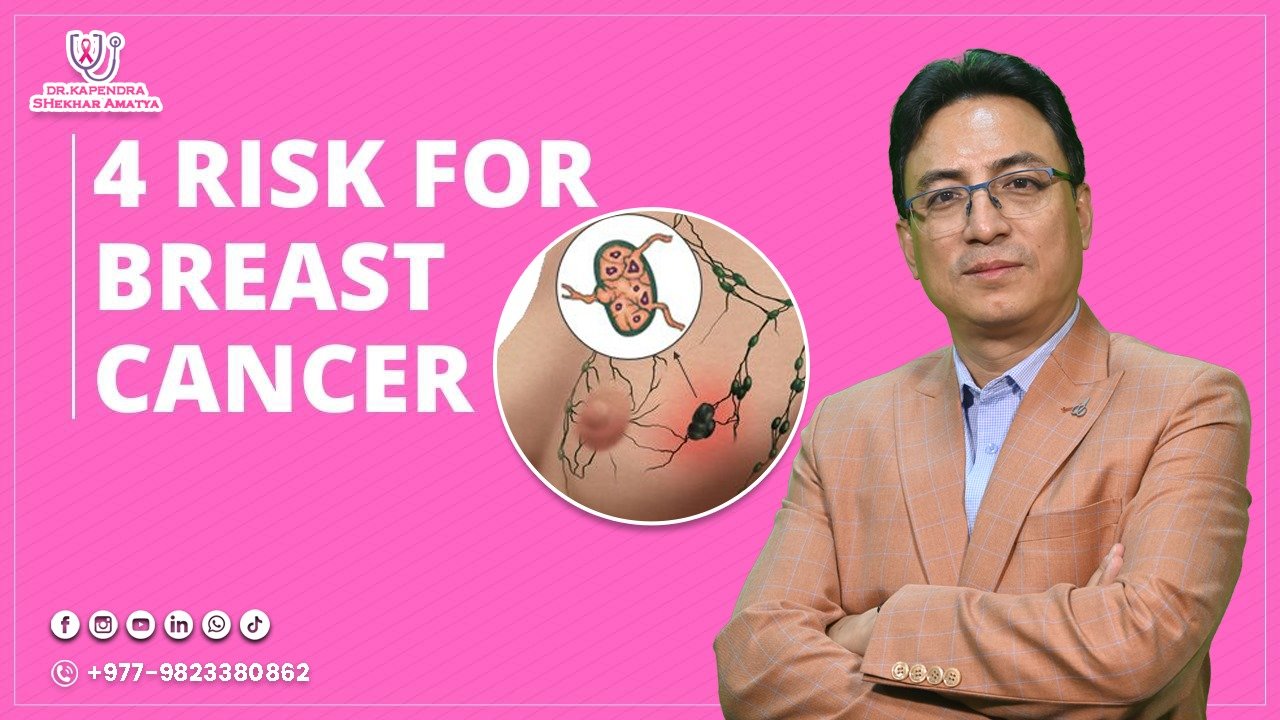
4 Risk for Breast Cancer

Risk for Breast Cancer

There are many things that you can do to lower your risk for breast cancer. Women’s age, genetics, and being a woman are some of the characteristics associated with breast cancer. It is possible to change other factors, such as being overweight, not exercising, smoking, and eating unhealthy foods, by making choices. Your cancer risk can be reduced by choosing the healthiest lifestyle options possible. Breast cancer will strike some women even if they don’t have any known possibility factors. The presence of a risk factor does not guarantee that you will develop the disease, and not every risk factor has the same impact. The majority of women have some risk factors, but they don’t get cancer. Risk Factors for breast cancer that Can’t Be Changed: Here is a 4 risk factors for breast cancer that you can’t control: Growing older As per age, our risk of developing breast cancer increases. A breast cancer diagnosis is most likely to occur after 50 years of age. Mutations in genes Breast and ovarian cancer risk is higher for women with certain gene mutations, including BRCA1 and BRCA2. The reproductive history of an individual Breast cancer risk increases for women who begin menstruating before the age of 12 and undergo menopause after the age of 55. Breasts that are dense Mammograms can sometimes be difficult to read because dense breast tissue has more connective tissue than fatty tissue. Breast cancer is more likely to occur in women who have dense breasts. Having breast cancer or a non-cancerous breast disease in the past A woman with a history of breast cancer is more likely to develop the disease again. Getting breast cancer is associated with conditions such as atypical hyperplasia or lobular carcinoma in situ, which are not cancerous. An ovarian or breast cancer history in the family Women with a mother, sister, daughter, or multiple relatives with breast or ovarian cancer on either their mother’s or father’s side are more likely to develop breast cancer. Breast cancer is also more likely to occur in women with first-degree relatives who have the disease. Radiation therapy treatment in the past In women who received chest or breast radiation therapy before age 30, their chances of developing breast cancer later on are higher. The drug diethylstilbestrol exposure In the United States, DES was given to some pregnant women to prevent miscarriage between 1940 and 1971. DES is associated with increased risk in women who take it while pregnant or in their mothers who take it while pregnant. Factors that grow Risk for Breast cancer? Here is a 5 risk factors for Breast cancer that make you sick. A lack of physical activity Breast cancer is more likely to occur in women who are not physically active. Your risk of getting breast cancer can be lowered if you are physically active. Obesity after menopause or being overweight: In older women with obesity or overweight, the risk of breast cancer is higher than in women with a healthy weight. The use of hormones: It is possible for some hormone replacement therapies taken during menopause to increase risk when taken for more than five years. The risk of this cancer has also been found to be increased by certain oral contraceptives. History of reproductive health: It is possible to be at risk if you become pregnant after age 30, are not breastfeeding, and never give birth to a full-term baby. Alcohol consumption: Alcohol consumption is linked to an increased risk of cancer in women. The risk of breast cancer is also increased by other factors such as smoking, being exposed to cancer-causing chemicals, and working night shifts. What to do If You’re at High Risk for Breast Cancer? A prevention, screening, and risk-reduction evaluation will be developed together with your healthcare provider if you are at high risk of breast cancer. A breast MRI may be recommended in addition to additional screenings, or a referral to a breast specialist might be appropriate. In addition to genetic risk evaluations, counseling, and testing on site, women at increased risk of cancer can also get screening and preventative options. Screening for breast cancer early with a mammogram is the most important step. In high-risk women, your provider may recommend additional screenings, such as breast MRI screenings, in addition to a yearly mammogram. Radiologists can see parts of the breast that may not be visible with other imaging tests on the basis of breast MRIs, which require IV contrast and use strong magnets instead of radiation. How to Lower The Risk for Breast Cancer There are certain risk factors that cannot be modified, yet choosing the healthiest lifestyle options can reduce your risk as much as possible. These include: Taking steps to reduce your breast cancer risk is possible. Discuss how you can reduce your chances of developing breast cancer with your healthcare provider and identify your lifetime risk. When to See an Oncologist in Nepal? If you have any of the risk factors for breast cancer, and also observe the symptoms, it is suggested to consult with the best surgical oncologist in Nepal. The best breast cancer surgeon in Nepal will then go through certain tests and let you know about the outcomes. The top breast cancer doctor in Nepal will also help you in each and every phase of your breast cancer treatment. According to the top surgical oncologist in Nepal, Dr. Kapendra Shekhar Amatya, you must be able to share every problem during your treatment procedure to make it much more convenient. MS (NMC Regd.2902) Dr.Kapendra Shekhar Amatya Head of the Department, Sr.Consultant Surgical Oncologist at Nepal Cancer Hospital and Research Center Director: Breast Cancer Program Interest: Breast Cancer Surgery, Gastro Intestinal Cancer Surgery (Stomach and Colo-Rectal Cancer) Consult now

5 Symptoms of Breast Cancer

Symptoms of Breast Cancer

In this article, I will discuss many symptoms of breast cancer with you. According to the type of breast cancer you have, you may experience different symptoms. There is no doubt that many breast cancer patients have lumps, but not everyone does. Therefore, you should be aware of the other symptoms as well.  Some warning signs are produced by the body in general. Breast lumps, which can occur anywhere along the chest wall or under the armpit, are the most common. In addition to the pain and bleeding on your nipple, you may experience nipple discharge and bleeding. There may be redness or swelling in any area of your breast, and your breast may appear flatter or caved in. 1. Early symptoms of Breast Cancer Even if you don’t feel a lump in your breast, breast cancer usually starts as a painless lump. The majority of lumps are detected by routine screening mammograms. Often, women do not display any obvious signs of breast cancer when they are diagnosed. A small breast cancer tumor is rarely visible to the naked eye or to the touch when it is in its early stages. It is for this reason that mammograms are so important. Individuals with breast tumors experience different symptoms. The following are some early warning signs of breast cancer: 2. Early symptoms of invasive breast cancer You should keep in mind that these changes may be caused by other benign conditions. Invasive breast cancer is characterized by the following symptoms: 3. Non-invasive breast cancer symptoms Breast cancer that is non-invasive is sometimes referred to as stage 0 cancer. Breast cancer at this stage is usually very small, since it is in its early stages. A non-invasive breast cancer usually has a tumor that’s so small that it can only be detected by a mammogram, so it is unlikely to cause any noticeable physical symptoms apart from an abnormal lump in the breast.  4. Invasive breast cancer symptoms Breast cancer often starts in the ducts, or tubes, which carry milk to the nipple, or in the lobules, which are tiny clusters of sacs that produce breast milk. Breast cancer that spreads to other parts of the breast, lymph nodes, or somewhere else in the body is referred to as invasive breast cancer. The cancer spreads from the ducts or lobules in these cancers originating in the ducts or lobules, invasive ductal carcinomas (IDC) and invasive lobular carcinomas (ILC). There may be symptoms depending on where the disease is in its development. Symptoms of invasive breast cancer include: 5. Inflammatory symptoms of breast cancer A mammogram may not detect inflammatory breast cancer (IBC) because it rarely causes breast lumps. The following symptoms are associated with inflammatory breast cancer: MS (NMC Regd.2902) Dr.Kapendra Shekhar Amatya Head of the Department, Sr.Consultant Surgical Oncologist at Nepal Cancer Hospital and Research Center Director: Breast Cancer Program Interest: Breast Cancer Surgery, Gastro Intestinal Cancer Surgery (Stomach and Colo-Rectal Cancer) Consult now

Hereditary Breast Cancer

Hereditary Breast Cancer

The incidence of hereditary breast cancer ranges from 5%–10%. Through genomic testing advances, other high penetrance susceptibility genes have also been identified, though mutations in BRCA1 and BRCA2 have been linked to the majority of familial cases. The likelihood of some kinds of breast cancer running in families is undeniable. You are not destined to develop breast cancer simply because one of your relatives did. In addition, if you are at risk of breast cancer, it is important to undergo frequent monitoring and screening in order to catch and treat it early. Causes of Hereditary Breast Cancer An inherited mutation in the BRCA1 or BRCA2 gene is the most common cause of hereditary breast cancer. DNA repair proteins are made by these genes in normal cells. The mutation of these genes can result in abnormal cell growth, thereby leading to cancer. Who is at the Risk for Hereditary Breast Cancer ? If you have a close relative who developed breast cancer at a young age or if they are very close relatives, such as your mother, sister or daughter, it is possible that your risk will increase. It may be a good idea to consider genetic testing if your family has a history of early onset breast cancer. It is possible to find out what course of action would be most effective for you at a comprehensive breast center staffed by experienced breast specialists. Is There Any Genetic Test for Breast Cancer? The BRCA mutation has been linked to breast cancer, so you might want to get tested if you think you have a genetic risk for the disease. In most cases, insurance companies cover the cost of the genetic test. Results can take up to a couple of weeks. Labs can look for specific mutations for those with family members with abnormal breast cancer genes. You may need to wait one week for the results in these cases. Who Should Test for the Genetic Breast Cancer Risk? Genetic counseling should be sought by anyone who suspects they may carry a cancer-causing gene. In deciding whether to undergo the testing, you must make a big decision. The results of your test may have a significant impact on your well-being, your career, your family and other aspects of your life. You and your family, including your siblings and children, may be affected by the results. Genetic mutations, for instance, have about a 50% chance of passing on to future generations. A gene test may be recommended by your doctor if: What Happens if the Test Comes Positive for Genetic Breast Cancer? In the event that your care provider confirms that you are at risk, you can work with him or her to develop a plan to protect your health, including: Patients at very high risk for aggressive breast cancer should only undergo preventive (prophylactic) surgery, such as mastectomy with breast reconstruction. MS (NMC Regd.2902) Dr.Kapendra Shekhar Amatya Head of the Department, Sr.Consultant Surgical Oncologist at Nepal Cancer Hospital and Research Center Director: Breast Cancer Program Interest: Breast Cancer Surgery, Gastro Intestinal Cancer Surgery (Stomach and Colo-Rectal Cancer) Consult now

Everything You Should Know About Mastectomy:

Mastectomy

During a mastectomy, a breast and surrounding tissues are surgically removed. In the past, breast cancer was treated with a radical mastectomy, which involved removing the entire breast, the lymph nodes under the arm, and some muscles underneath the breast. Surgical advances, however, have made it possible for people to have more choices. Many women can undergo breast-conserving treatments that are less invasive. You should consider several factors before choosing a type of mastectomy, including: • An individual’s age • The general health of an individual • A woman’s menopause status • The size of the tumor • The extent of the tumor’s spread • The aggressiveness of the tumor • Status of the tumor’s hormone receptors • The involvement of lymph nodes. Why Mastectomy? In cases of breast cancer or a high risk of developing it, a mastectomy is used to remove all breast tissue. Mastectomy can be done unilaterally or bilaterally to remove one or both breasts. Breast cancer may be treated with a mastectomy instead of a lumpectomy and radiation if: • Breasts with two or more tumors. • A breast biopsy revealed widespread calcium deposits that appear malignant in your breast. • A previous radiation treatment to the breast region resulted in a recurrence of breast cancer. • When you’re pregnant, radiation puts your unborn child at risk. • cancer has been removed from the breast after a lumpectomy, but it remains at the edges of the operated area. There is a concern that cancer has spread to other parts of the breast as well. • It is likely that you will develop a second breast cancer if you carry a gene mutation. • As a percentage of your breast size, the tumor is large. An acceptable cosmetic result may not be possible after a lumpectomy due to insufficient healthy tissue remaining. • The side effects of radiation to the skin may not be tolerated by patients with connective tissue diseases, such as scleroderma or lupus. Types of Mastectomy:  Based on the method and extent of tissue removal, mastectomies are classified into different types. They are as follows: Simple Mastectomy:  Surgery to reduce the breast involves removing the entire milk duct and pectoralis major fascia, along with the nipple and areola. In some cases, a sentinel lymph node biopsy may involve the removal of a few underarm lymph nodes. A majority of women can return home the next day if they are hospitalized. Modified Radical Mastectomy:  There is a complete removal of the breast. There are three parts to the chest lining: the nipple, the areola, and the overlying skin. Additionally, some lymph nodes are removed under the arm. These lymph nodes are often affected by breast cancer. There is a possibility of it spreading to other parts of the body. Some patients have their chest wall muscles removed as well. Radical:  In addition to the nipple, the areola, and the overlying skin, lymph nodes are removed under the arm. The chest muscles are also removed under the breast. Historically, this has been the standard surgery. However, it is rarely practiced today. Occasionally, breast cancer spreads to the chest muscles and this treatment is advised. Skin-sparing:  There is a removal of breast tissue, the nipple, and the areola. There is, however, a significant amount of skin left over the breast. There is no evidence that this type of surgery works better than radical mastectomy. In the case of breast reconstruction following a mastectomy, this technique is only used. Large or near the surface of the skin tumors may not be appropriate for this method. Nipple-sparing: A similar procedure to the skin-sparing mastectomy is performed here. Some people refer to it as a total skin-sparing mastectomy. It involves removing the entire breast, including the ducts that run from the nipple to the areola. However, the skin of the nipple and areola remains intact. An expert called a pathologist carefully cuts away the tissue around the nipple and areola. There is a possibility of saving the nipple and areola if no cancer cells are found nearby. It is not recommended to use this method in any other case. After a mastectomy, reconstruction is performed. Who Should Get Mastectomy?: Breast conservation surgery (BCS) is a common option for women with early-stage cancer. A mastectomy may be your best option for removing all cancer as soon as possible. Nevertheless, mastectomy is not more likely to improve long-term survival than BCS in most cases. The outcome of BCS in conjunction with radiation has been shown in hundreds of studies over the past two decades to be similar to that of a mastectomy. You might need a mastectomy if you: • Ineligible for radiation therapy • A more extensive surgery would be preferred instead of radiation therapy • An enlarged tumor, or a tumor larger than your breast size, of more than 5 cm (2 inches) in diameter • Having inflammatory breast cancer. Risk Factors for Mastectomy: During any surgery, there is a possibility of bleeding and infection at the site. There might be a variety of side effects associated with different types of mastectomy. The following factors can increase your risk: • Tenderness or pain following surgery • The area around the surgery site is swollen • Blood accumulating in the wound • An accumulation of clear fluid in the wound • A limited range of motion in the arms or shoulders • Upper arm or chest numbness • The chest wall, armpits, and/or arm are painful and don’t go away after a while • Lymphedema may result from removing axillary lymph nodes as well. Consulting with Doctor for Mastectomy Surgery: Before beginning your mastectomy procedure, you must have a thorough talk with your oncologist. You can either talk with a surgical oncologist or a medical oncologist who will tell you everything in detail about your surgery. The breast cancer oncologist will additionally help you with everything possible during the entire surgical procedure. Your breast cancer treating doctor can also … Read more

Male Breast Cancer in Nepal

Possible Risk Factors For Male Breast Cancer

Women are most likely to develop breast cancer, but men can also develop the disease. Men account for about 1 out of every 100 cases of breast cancer diagnosed. Male breast cancer are similar to female breast cancers. • Invasive ductal carcinoma Initially, cancer cells grow inside the ducts, then they spread to other parts of the breast. The spread of cancer cells to other parts of the body is also possible with invasive cancer cells. • Invasive lobular carcinoma It is believed that cancer cells begin in the lobules of the breast, and then spread to the nearby breast tissues. Besides spreading to other parts of the body, these cells can also be invasive. • Ductal carcinoma in situ Invasive breast cancer may occur as a result of DCIS. Only the duct’s lining is affected by the cancerous cells; no other breast tissues have been affected. Symptoms of Male Breast Cancer: Men who have breast cancer typically develop a lump in their breasts and affected areas may also include the nipple and skin. Breast lump: It is common for cancerous breast lumps to: • Only occurs in one breast • The growths occur around or under the nipple • No pain is felt • Have a hard, rubbery feel • Movements within the breast are not possible • A bumpy feeling rather than smoothness • Become larger over time It is not uncommon for lumps and swellings to be signs of cancer. Most of the time, they are caused by harmless things like enlarged male breast tissue, fatty lumps, or fluid-filled bumps. You can consult a GP if you suspect breast cancer and receive testing and scans. Other symptoms: Men with breast cancer may also show the following symptoms: • An inward-facing nipple • Nipple fluid streaked with blood, which may ooze out of the nipple • Continual sores or rashes around the nipple • Hardening, reddening, or swelling of the nipple or surrounding skin • Several small bumps under the armpit cancer may cause further symptoms if it spreads to the bones, lungs, or liver. Several symptoms can be experienced, including: • Having a constant feeling of fatigue • Bone pain or aches • Breathing difficulties • Sickness • An itchy skin condition with skin and eyes yellow. When to Consult a Breast Cancer Doctor? Consult your doctor if you have: • The presence of a lump in the breast • Symptoms that may be concerning, such as nipple discharge • Have family members with breast cancer (men or women) and are concerned about your chances. It’s important to get your symptoms checked even if you don’t think you have cancer. Breast cancer tests and scans can be referred to your GP if necessary. Your GP may refer you to a genetic specialist if you do not show any symptoms of breast cancer but have a family history of the disease. Blood tests can be performed to check for inherited genes that increase cancer risk. You can consult with your surgical oncologist to know more details about the condition. The breast cancer oncologist will then explain everything to you in detail. Also, the breast cancer treating doctor will help you in each phase of your treatment procedure. As per the top surgical oncologist in Nepal Dr. Kapendra Shekhar Amatya, it is best suggested to consult with your oncologist as soon as possible. It will hence help to get the best treatment in the given time. Causes for Male Breast Cancer: Male breast cancer is not known to be caused by any specific factor. Some breast cells divide rapidly in male breast cancer, causing the disease. During this process, accumulating cells form tumors that can spread to other parts of the body, such as lymph nodes and nearby tissues. The origin of breast cancer in men: Breast tissue is a natural part of every human being. Breast tissue consists of glands that produce milk and ducts that transport the milk to the nipples. When women reach puberty, their breast tissue begins to increase, while men do not. Men can, however, develop breast cancer due to a limited supply of breast tissue at birth. Breast cancer risk genes inherited from parents: Breast cancer risks are increased in some men due to abnormal genes inherited from their parents. Breast and prostate cancers are more likely to develop if you have mutations in certain genes, especially BRCA2. Your doctor should be informed if your family has a history of cancer. To find out if you carry genes that increase your risk of cancer, your doctor may recommend that you meet with a genetic counselor. Possible Risk Factors for Male Breast Cancer: Breast cancer is more likely to develop in men due to a variety of factors. Although these factors are important for predicting breast cancer in men, many do not have them. Growing older:  As you get older, you are more likely to develop male breast cancer. Breast cancer is most commonly diagnosed in men over the age of 67. There is a possibility of breast cancer developing in young men as well. Family history of breast cancer: Having a close relative with breast cancer, especially a male relative, increases a man’s risk for breast cancer. Get all the information about your relative’s condition and know whether or not you’re at risk of having male breast cancer. Genetic mutations: Among men, certain genetic mutations are associated with an increased risk of breast cancer. Breast cancer is about a 1% risk for men who inherit the BRCA1 mutation over the course of their lifetime, compared to a 0.1% risk for men without such a mutation. There is a 7% to 8% chance of contracting cancer if a man inherits a BRCA2 mutation. High estrogen levels: Estrogen and testosterone can be thought of as female and male hormones, respectively. Despite what many people believe, both testosterone and estrogen are present at different levels in the bodies of men and women. In men, estrogen … Read more

Best Breast Cancer Diet-Tips and Tricks?

Best Breast Cancer Diet-Tips and Tricks

If you want to avoid risk of Breast cancer, then you should have Breast cancer diet plan. You may benefit from a healthy diet in the following ways: • Stay healthy by maintaining a healthy weight • Maintain healthy body tissue • Treatment side effects and cancer symptoms can be lessened • Maintain a healthy immune system • Reduce fatigue and maintain strength • Boost your health and well-being. Diet Tips for Breast Cancer Patients: There can be a lot of difficulty coping with the treatments and the physical changes that come with them. The prevalence of depression and anxiety among breast cancer patients is estimated to be 50 percent. In addition to negatively affecting your physical and mental health, breast cancer may also negatively impact your appetite. It is important to eat well as you continue to battle the disease, even if it can be difficult. Increase your soya intake. The phytoestrogens present in soybean products, including tofu, soya milk, and edamame, are similar to estrogen in the body. Women with breast cancer, which uses estrogen as fuel, used to fear they meant trouble for them. Recent studies have found that soy is not associated with higher cancer risk, it may even reduce the chances of a recurrence of the disease. Skip sugar in your diet: You won’t directly cause cancer cells to grow faster by taking a spoonful with your coffee. However, you should still be careful about how much you consume. Obesity and other conditions that increase cancer risk can be caused by consuming a lot of sugar regularly. Consume more vegetables: You may reduce your chances of developing breast cancer if you eat more plant-based foods. Especially in the case of aggressive cancers, this strategy may prove beneficial. As part of a healthy diet, fruits, and vegetables can also help you manage your weight, which is critical to keeping breast cancer at bay. Take benefits from whole grains: Your chances of getting breast cancer may be reduced if you consume unprocessed grains such as wheat, rye, oats, corn, bulgur, rice, and barley. The phytochemicals in these foods may also reduce the chances of it returning. Because some treatments can damage the heart, survivors have higher odds of surviving cardiovascular disease. Lower your alcohol intake: It is unclear if alcohol causes breast cancer. Alcohol, beer, and wine all increase estrogen levels in the body, which can lead to tumors sensitive to estrogen. Some research indicates that those who drink more than one or two drinks a week may experience cancer recurrence, while other research suggests moderate drinking may be beneficial. A small amount of alcohol may not have much effect either way, so an occasional glass is not a problem. Focus more on fiber: You can naturally get this by eating plenty of whole grains, fruits, vegetables, and legumes. Blood sugar levels, heart health, and digestive health are all improved by it. Breast cancer risk can be reduced by eating a diet of this type, according to some studies. A type of aggressive tumor may be protected against by it. Vitamin D is a must: This nutrient has been linked to lower the risk of breast cancer in studies. In addition, the deficiency of Vitamin D may contribute to the growth of tumors in breast cancer patients. Fish such as salmon, oysters, herring, mackerel, and sardines are rich in them. Alternatively, look for yogurt, milk, and orange juice containing it. Carotenoids should not be missed: Another phytochemical found in plant-based foods is associated with reduced breast cancer risk. Vegetables and fruits that are orange, yellow, and dark green provide you with them. There are several healthy foods you can eat, including carrots, pumpkins, winter squashes, spinach, kale, sweet potatoes, and cantaloupes. Nutrients are best acquired through food. Supplements containing carotenoids may be harmful. Avoid using supplements: If you are dealing with breast cancer or other health issues, you may be interested in natural remedies. Those with breast cancer should avoid plants that contain certain plant compounds. The most commonly used herbs include red clover, black cohosh, chaste berry, dong quai, evening primrose, and licorice. If you have breast cancer, you should not take supplements unless your doctor approves. Diet to Consume to Lower the Risk of Breast Cancer? It is important to keep in mind that breast cancer can be caused by a variety of factors. Diet plays a significant role in improving your health and reducing your risk of cancer, but it is only one part of the solution. Mammograms and manual breast cancer checks are still necessary even with a healthy diet. Survival rates are significantly increased by early detection and diagnosis. Veggies with leaves: Beta carotene, lutein, and zeaxanthin are carotenoid antioxidants found in leafy green vegetables, and higher blood levels of these antioxidants are associated with reduced risks of breast cancer. According to research, eating green leafy vegetables that are high in folate, a B vitamin, may prevent breast cancer. Citrus fruits: In addition to folate and vitamin C present in citrus fruits, there are carotenoids such as beta-cryptoxanthin and beta carotene, along with flavonoids such as quercetin and hesperetin that may protect against breast cancer. Antioxidants, anticancer, and anti-inflammatory properties are provided by these nutrients. Fatty fish: There are impressive health benefits associated with fatty fish, which include salmon, sardines, and mackerel. Because omega-3 fats are present in these foods, selenium is present, and antioxidants like canthaxanthin are present, they may provide cancer prevention benefits. A fermented food: It has been shown that fermented foods, such as yogurt, kimchi, miso, and sauerkraut, may reduce the risk of breast cancer. The immune-enhancing effects of certain probiotics may contribute to this protective effect in animals. Berries: Regularly eating berries can reduce the risk of certain cancers, like breast cancer. Berry antioxidants, including flavonoids and anthocyanins, protect cells from damage, as well as prevent cancer from developing and spreading. Allium vegetables: Allium vegetables, such as garlic, onions, and leeks, contain a wide range of … Read more

What is a Breast Cancer Surgery

What is a Breast Cancer Surgery in Nepal

Most types of breast cancer are treated with breast cancer surgery. The removal of a tumor can be done by either a mastectomy or a lumpectomy. A lymph node biopsy or reconstructive surgery may be necessary after the removal of your breast to look for cancer in your lymph nodes. It is almost always recommended to undergo surgery if you have localized breast cancer. The primary treatment for breast cancer is surgery if it is technically possible to remove the affected tissue. In some cases, breast cancer surgery involves cutting out a single tumor from the breast, known as a lumpectomy. You may also have to undergo a mastectomy if cancer has spread throughout your breast. In addition to being a treatment, breast surgery for cancer can be a diagnostic procedure or even cosmetic. There are times when surgery is performed to look for signs of cancer spreading. Following a mastectomy, may involve reconstructing your breast. In addition to your cancer type, how advanced it is, your general health, and your personal preferences, your healthcare team will recommend the type of surgery you should have. You may only need surgery as part of your overall treatment plan, or you may require it as the only option. Types of Breast cancer surgery? A mastectomy and a lumpectomy are the two types of surgery used to treat breast cancer. Additionally, lymph nodes can be removed and analyzed, as well as breast reconstruction can be performed to treat breast cancer. Mastectomy: Most breast cancer patients undergo mastectomy surgery or breast removal surgery. Breast cancers can be treated both at late stages and early stages with mastectomy. Also, some people who are at high risk of developing breast cancer in the future elect to undergo prophylactic mastectomy. The following types of mastectomy procedures are available: • Total mastectomy: The entire breast is removed, sparing the chest muscles underneath. • Double mastectomy: Both breasts need to be removed. There is a possibility that a mastectomy will be necessary to prevent cancer from spreading to both breasts or if it has already spread. • Skin-sparing or nipple-sparing mastectomy: The breast tissue is removed, but the skin and, if possible, your nipple are spared, so they can be used for breast reconstruction. • Modified radical mastectomy: Breast tissue and underarm lymph nodes are removed. It is common for breast cancer to spread first to the lymph nodes.  • Radical mastectomy: An operation to remove your breasts, the lymph nodes under your armpits, and your chest muscles. Breast cancer infiltrates the chest muscles, making this a rare surgery. Lumpectomy: Only a small amount of breast tissue is removed during a lumpectomy, which is also known as breast-conserving surgery. Breast cancer at an earlier stage can be treated with this alternative method. It is often possible to avoid radiation therapy by having a total mastectomy instead. In early-stage breast cancer, lumpectomy combined with radiation therapy is equally effective as total mastectomy for those who have the option. There are several types of lumpectomy procedures: • Excisional biopsy: Tumors are removed for biopsy in this procedure. It can be determined if the tumor is cancerous by analyzing it in a laboratory. • Wide local excision: A cancerous tumor and a margin of surrounding tissue are removed during surgery. Tests will be performed on marginal tissue afterward to determine whether it is cancerous. • Quadrantectomy: This is a segmented mastectomy in which a quarter of your breast is removed, which includes the ducts and lobes. Tumors with ductal spread are recommended for this procedure. • Re-excision lumpectomy: This procedure is performed after the tumor and its margin of tissue have been removed. An open surgical site will be opened and additional margins of tissue removed until no more cancer cells are found. Lymph Node Investigation: Cancer spreads to your lymph nodes first, and cancer in your lymph nodes may indicate that cancer has spread beyond your breast. A lymph node under your arm next to your affected breast can be removed and analyzed by your surgeon to find out. The most likely area for breast cancer cells to drain would be here. The following procedures are performed on lymph nodes: • Sentinel lymph node biopsy: A lymph node biopsy is performed to determine if lymph nodes have been affected by cancer. Sentinel lymph nodes serve as an early indicator of breast cancer because they filter fluid draining away from the affected area of the breast. You will likely undergo a sentinel node biopsy after your surgeon removes your original tumor. An analysis of the sentinel node will be performed to determine if it contains cancer cells. • Axillary lymph node dissection: Your surgeon may remove a larger portion of lymph nodes to analyze if the sentinel node biopsy results indicate cancer, or if the surgeon believes you have pervasive cancer in your lymph nodes. A surgeon removes a group of lymph nodes from an axillary region by dissecting a pad of fatty tissue. To detect cancer, they will carefully examine the tissue. Reconstructive Breast cancer Surgery: Reconstructive surgery can restore your breast shape if you have some or all of your breasts removed for cancer treatment. Often, plastic surgery techniques can be used immediately following a lumpectomy or mastectomy to reconstruct the breast. If your tissues have recovered from radiation therapy or chemotherapy, your surgeon may perform a separate surgery. Even if you have immediate or delayed reconstruction surgery, a follow-up procedure may improve your results. You may need follow-up surgery to balance the size of your breasts or to reconstruct your nipple. Different methods can be used for breast reconstruction, and the process can be staged. Based on your condition and preferences, you and your surgeon will determine the best method and timing. The following methods can be used for breast reconstruction: • Implant reconstruction: To restore your breast’s shape and volume, breast implants replace the tissue that has been removed. Saline or silicone gel fills the silicone shell … Read more