

World Cancer Day 2026 arrives at a pivotal moment in our collective health journey. This year, the global theme “United by Unique” emphasizes that while every cancer story is individual, the strength to overcome it is communal. On February 4th, we do not just reflect on the statistics; we celebrate the lives that defy them.
In Kathmandu, this spirit of hope was vibrantly displayed during a special World Cancer Day event hosted by Dr. Kapendra Shekhar Amatya and his team. This gathering at Titan Gym, Kumaripati, was more than just a commemorative program; it was a testament to the power of community, physical activity, and the expert care provided by a leading breast cancer specialist in Nepal.
The Power of Movement: Zumba for Cancer Prevention and Recovery
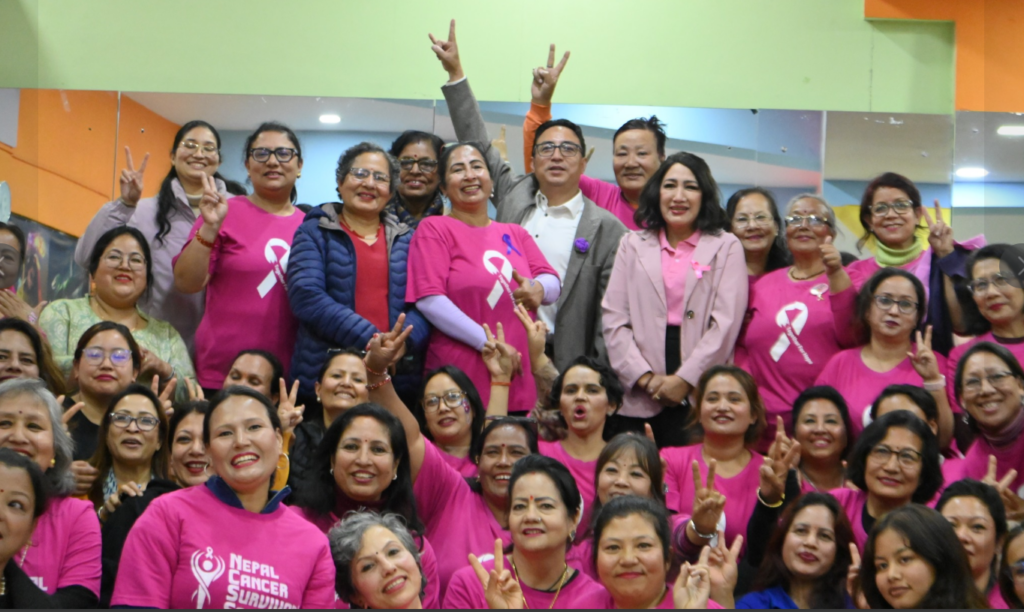
Physical activity is one of the most effective, yet underutilized, tools in our arsenal against cancer. During the World Cancer Day event in Kumaripati, the atmosphere was electric as cancer survivors, medical professionals, and supporters joined together for a high-energy Zumba session.
Why Zumba?
Zumba is not just a dance; it is a cardiovascular workout that blends interval training with Latin-inspired rhythms. For cancer survivors and those focused on cancer prevention, Zumba offers several scientifically-backed benefits:
- Weight Management: Obesity is a significant risk factor for several cancers, including postmenopausal breast cancer. Zumba can burn between 300 to 900 calories per hour, helping maintain a healthy Body Mass Index (BMI).
- Immune System Support: Regular moderate-to-vigorous exercise helps regulate inflammation and boosts the body’s natural immune response.
- Psychological Well-being: The “Together for Hope” program saw survivors dancing with their hearts open. The release of endorphins during dance helps combat the anxiety and depression often associated with a cancer diagnosis.
- Lymphatic Health: For those recovering from breast surgery, gentle yet consistent arm and torso movements in dance can assist in lymphatic drainage, reducing the risk of lymphedema.
The survivors at Titan Gym expressed profound joy, sharing that meeting others who have walked the same path gave them a “second life.” This social connection is a vital pillar of the World Cancer Day mission breaking the isolation of the disease.
Understanding the Landscape: Cancer in Nepal (2026)
To understand why events like these are critical, we must look at the current data. In 2026, cancer remained a leading cause of mortality in Nepal, with breast cancer being the most prevalent cancer among Nepali women.
Key Statistics for 2026
| Category | Data Point | Significance |
| Most Common Female Cancer | Breast Cancer | Accounts for ~17% of all female cancer cases in Nepal. |
| Most Common Male Cancer | Lung Cancer | Closely linked to tobacco use and air quality. |
| Early Detection Rate | ~30% | Many cases in Nepal are still diagnosed at Stage III or IV. |
| Preventable Cases | 40% | Nearly half of all cancers can be prevented through lifestyle changes. |
Dr. Kapendra Shekhar Amatya, a renowned breast cancer surgeon in Nepal, emphasized during his speech at the event that while the numbers are rising, so is our ability to treat the disease effectively when caught early. As a dedicated breast doctor in Nepal, Dr. Amatya has spent over two decades advocating for better screening facilities and patient-centered care.
Science-Based Cancer Prevention: Small Choices, Big Impact
The primary goal of World Cancer Day is to educate the public on cancer prevention. While genetics play a role, your daily habits act as the “on/off” switch for many biological processes.
1. Maintain a Healthy Weight
Adipose tissue (fat) is not just stored energy; it is metabolically active. It produces estrogen and inflammatory cytokines that can promote the growth of cancer cells. Keeping your weight within a healthy range is especially critical for preventing endometrial and breast cancers.
2. The 150-Minute Rule
The global medical consensus for 2026 remains: adults should aim for at least 150 minutes of moderate-intensity activity (like brisk walking or Zumba) or 75 minutes of vigorous activity per week.
3. Nutrition: The “Plate” Method
- Increase: Cruciferous vegetables (broccoli, cauliflower), legumes, and whole grains.
- Decrease: Processed meats (sausages, deli meats) and sugar-sweetened beverages.
- Alcohol: The latest WHO guidelines suggest that for cancer prevention, “less is better,” and none is best. Alcohol is a known carcinogen for several types, including liver and breast cancer.
4. Regular Screenings
Screening is the only way to detect cancer before symptoms appear. For women, a mammogram is the gold standard. Consulting a breast cancer specialist for a clinical breast exam (CBE) annually after age 40 is highly recommended.
Expert Spotlight: Dr. Kapendra Shekhar Amatya
In the heart of Kathmandu and Lalitpur, Dr. Kapendra Shekhar Amatya has become a symbol of hope for thousands. With advanced training in Oncoplastic Breast Cancer Surgery and extensive experience in gastrointestinal surgery, he represents the pinnacle of surgical oncology in the region.
The survivors at the Kumaripati event were vocal in their gratitude. Many took photos with the doctor, whom they credited with giving them a “second life.” His approach goes beyond the operating table; he focuses on the holistic recovery of the patient ensuring they return to a life where they can dance, laugh, and thrive.
Professional Note: “Cancer treatment in 2026 is no longer just about survival; it is about the quality of life after survival. Events like our Zumba program prove that there is a vibrant life after a diagnosis.” — Dr. Kapendra Shekhar Amatya
FAQ: Frequently Asked Questions About Cancer Prevention
How often should I see a breast doctor in Nepal?
If you are over 40, you should have a clinical breast exam and a mammogram annually. If you have a family history of breast cancer, you should consult a breast cancer specialist earlier, typically starting at age 25 or 30.
Can Zumba actually prevent cancer?
While no single exercise is a “cure,” Zumba helps reduce major risk factors like obesity and chronic inflammation. It is a powerful tool in a comprehensive cancer prevention strategy.
What are the early signs of breast cancer?
Look for new lumps in the breast or underarm, changes in the size or shape of the breast, nipple discharge other than breast milk, or skin dimpling (resembling an orange peel).
Where can I find a reliable breast cancer surgeon in Nepal?
Dr. Kapendra Shekhar Amatya provides consultations at Sarang Health Care and Nepal Cancer Hospital. He is widely recognized as a leading breast cancer specialist with over 20 years of experience.
Conclusion: Together For Hope
World Cancer Day 2026 reminded us that we are “United by Unique” stories. The 2-hour program at Titan Gym ended with smiles, sweat, and a renewed commitment to health. By combining the expertise of a breast doctor in Nepal with the proactive energy of the community, we can change the narrative of cancer from one of fear to one of resilience.
Whether it is through a Zumba class or a routine screening, every step you take towards prevention is a victory. Let us continue to support one another, thank our medical heroes like Dr. Kapendra and his team, and move forward together.