Causes of Pancreatic cancer

In this article, we will discuss about causes of pancreatic cancer . It is a gland that lies between the stomach and spine that produces hormones required to control blood sugar and enzymes that aid in digestion such as insulin. The growth of cancerous and noncancerous cells in the pancreas can result in different types of cancers or tumors. Of which the most common usually begins in the cells that line ducts that carry digestive enzymes. However, if detected at early stages cancer can be mostly curable. There is a several factor that causes pancreatic cancer: Age: The major risk factor of pancreatic cancer is age and the risk increases with age. The ages between 60 to 80 years of age are at greater risk of developing this cancer. Additionally, it is uncommon in the age group under 40 yet there is some case where the young age group can also suffer pancreatic cancer. The reason behind this could be a certain risk factor of radiation therapy during childhood. Genetics: Genes play an important role in tumor formation. The genetic mutation increases the risk of pancreatic cancer. The risk increases with several inherited cancer syndromes. Furthermore, a family history of pancreatic cancer increases the risk of developing one. Smoking: smoking increases the risk of pancreatic cancer. The risk is higher in those who smoke more cigarettes during their lifetime. As smoking is associated with risks, if one lowers the intake of cigarette smoking the risk of pancreatic cancer drops close to normal making this factor a preventable cause or factor of pancreatic cancer risk. Obesity: Women are at higher risk of pancreatic cancer due to obesity. You might be more likely to get pancreatic cancer if you are obese. Being obese significantly increases the risk of cancer. Diabetes: Long-term condition of diabetes also increases the risk of cancer.  People with diabetes have increased risk, moreover, the sudden onset of diabetes is one of the symptoms of pancreatic cancer especially Type 2 diabetes. Chronic pancreatitis: A permanent inflammation of the pancreas is known as pancreatic cancer. It has been associated with an increased risk of pancreatic cancer. This is thought to be due to the repeated cycles of damage and healing that occur during chronic pancreatitis, as well as the release of substances that cause inflammation. It’s important to note that not only is pancreatitis a risk factor for pancreatic cancer, but pancreatic cancer can also cause pancreatitis if it blocks the pancreatic duct. The risk of pancreatic cancer is significantly increased when smoking, long-standing diabetes, and a poor diet are combined, compared to any of these factors alone. As pancreatic cancer advances, it can lead to complications such as the spread of cancer cells to nearby blood vessels, lymph nodes, and eventually to other parts of the body such as the liver, lining of the abdominal cavity, and lungs. The majority of cases of pancreatic cancer are diagnosed when cancer has already spread beyond the pancreas. MS (NMC Regd.2902) Dr.Kapendra Shekhar Amatya Head of the Department, Sr.Consultant Surgical Oncologist at Nepal Cancer Hospital and Research Center Director: Breast Cancer Program Interest: Breast Cancer Surgery, Gastro Intestinal Cancer Surgery (Stomach and Colo-Rectal Cancer) Consult now

4 Risk for Breast Cancer

Risk for Breast Cancer

There are many things that you can do to lower your risk for breast cancer. Women’s age, genetics, and being a woman are some of the characteristics associated with breast cancer. It is possible to change other factors, such as being overweight, not exercising, smoking, and eating unhealthy foods, by making choices. Your cancer risk can be reduced by choosing the healthiest lifestyle options possible. Breast cancer will strike some women even if they don’t have any known possibility factors. The presence of a risk factor does not guarantee that you will develop the disease, and not every risk factor has the same impact. The majority of women have some risk factors, but they don’t get cancer. Risk Factors for breast cancer that Can’t Be Changed: Here is a 4 risk factors for breast cancer that you can’t control: Growing older As per age, our risk of developing breast cancer increases. A breast cancer diagnosis is most likely to occur after 50 years of age. Mutations in genes Breast and ovarian cancer risk is higher for women with certain gene mutations, including BRCA1 and BRCA2. The reproductive history of an individual Breast cancer risk increases for women who begin menstruating before the age of 12 and undergo menopause after the age of 55. Breasts that are dense Mammograms can sometimes be difficult to read because dense breast tissue has more connective tissue than fatty tissue. Breast cancer is more likely to occur in women who have dense breasts. Having breast cancer or a non-cancerous breast disease in the past A woman with a history of breast cancer is more likely to develop the disease again. Getting breast cancer is associated with conditions such as atypical hyperplasia or lobular carcinoma in situ, which are not cancerous. An ovarian or breast cancer history in the family Women with a mother, sister, daughter, or multiple relatives with breast or ovarian cancer on either their mother’s or father’s side are more likely to develop breast cancer. Breast cancer is also more likely to occur in women with first-degree relatives who have the disease. Radiation therapy treatment in the past In women who received chest or breast radiation therapy before age 30, their chances of developing breast cancer later on are higher. The drug diethylstilbestrol exposure In the United States, DES was given to some pregnant women to prevent miscarriage between 1940 and 1971. DES is associated with increased risk in women who take it while pregnant or in their mothers who take it while pregnant. Factors that grow Risk for Breast cancer? Here is a 5 risk factors for Breast cancer that make you sick. A lack of physical activity Breast cancer is more likely to occur in women who are not physically active. Your risk of getting breast cancer can be lowered if you are physically active. Obesity after menopause or being overweight: In older women with obesity or overweight, the risk of breast cancer is higher than in women with a healthy weight. The use of hormones: It is possible for some hormone replacement therapies taken during menopause to increase risk when taken for more than five years. The risk of this cancer has also been found to be increased by certain oral contraceptives. History of reproductive health: It is possible to be at risk if you become pregnant after age 30, are not breastfeeding, and never give birth to a full-term baby. Alcohol consumption: Alcohol consumption is linked to an increased risk of cancer in women. The risk of breast cancer is also increased by other factors such as smoking, being exposed to cancer-causing chemicals, and working night shifts. What to do If You’re at High Risk for Breast Cancer? A prevention, screening, and risk-reduction evaluation will be developed together with your healthcare provider if you are at high risk of breast cancer. A breast MRI may be recommended in addition to additional screenings, or a referral to a breast specialist might be appropriate. In addition to genetic risk evaluations, counseling, and testing on site, women at increased risk of cancer can also get screening and preventative options. Screening for breast cancer early with a mammogram is the most important step. In high-risk women, your provider may recommend additional screenings, such as breast MRI screenings, in addition to a yearly mammogram. Radiologists can see parts of the breast that may not be visible with other imaging tests on the basis of breast MRIs, which require IV contrast and use strong magnets instead of radiation. How to Lower The Risk for Breast Cancer There are certain risk factors that cannot be modified, yet choosing the healthiest lifestyle options can reduce your risk as much as possible. These include: Taking steps to reduce your breast cancer risk is possible. Discuss how you can reduce your chances of developing breast cancer with your healthcare provider and identify your lifetime risk. When to See an Oncologist in Nepal? If you have any of the risk factors for breast cancer, and also observe the symptoms, it is suggested to consult with the best surgical oncologist in Nepal. The best breast cancer surgeon in Nepal will then go through certain tests and let you know about the outcomes. The top breast cancer doctor in Nepal will also help you in each and every phase of your breast cancer treatment. According to the top surgical oncologist in Nepal, Dr. Kapendra Shekhar Amatya, you must be able to share every problem during your treatment procedure to make it much more convenient. MS (NMC Regd.2902) Dr.Kapendra Shekhar Amatya Head of the Department, Sr.Consultant Surgical Oncologist at Nepal Cancer Hospital and Research Center Director: Breast Cancer Program Interest: Breast Cancer Surgery, Gastro Intestinal Cancer Surgery (Stomach and Colo-Rectal Cancer) Consult now

5 Symptoms of Breast Cancer

Symptoms of Breast Cancer

In this article, I will discuss many symptoms of breast cancer with you. According to the type of breast cancer you have, you may experience different symptoms. There is no doubt that many breast cancer patients have lumps, but not everyone does. Therefore, you should be aware of the other symptoms as well.  Some warning signs are produced by the body in general. Breast lumps, which can occur anywhere along the chest wall or under the armpit, are the most common. In addition to the pain and bleeding on your nipple, you may experience nipple discharge and bleeding. There may be redness or swelling in any area of your breast, and your breast may appear flatter or caved in. 1. Early symptoms of Breast Cancer Even if you don’t feel a lump in your breast, breast cancer usually starts as a painless lump. The majority of lumps are detected by routine screening mammograms. Often, women do not display any obvious signs of breast cancer when they are diagnosed. A small breast cancer tumor is rarely visible to the naked eye or to the touch when it is in its early stages. It is for this reason that mammograms are so important. Individuals with breast tumors experience different symptoms. The following are some early warning signs of breast cancer: 2. Early symptoms of invasive breast cancer You should keep in mind that these changes may be caused by other benign conditions. Invasive breast cancer is characterized by the following symptoms: 3. Non-invasive breast cancer symptoms Breast cancer that is non-invasive is sometimes referred to as stage 0 cancer. Breast cancer at this stage is usually very small, since it is in its early stages. A non-invasive breast cancer usually has a tumor that’s so small that it can only be detected by a mammogram, so it is unlikely to cause any noticeable physical symptoms apart from an abnormal lump in the breast.  4. Invasive breast cancer symptoms Breast cancer often starts in the ducts, or tubes, which carry milk to the nipple, or in the lobules, which are tiny clusters of sacs that produce breast milk. Breast cancer that spreads to other parts of the breast, lymph nodes, or somewhere else in the body is referred to as invasive breast cancer. The cancer spreads from the ducts or lobules in these cancers originating in the ducts or lobules, invasive ductal carcinomas (IDC) and invasive lobular carcinomas (ILC). There may be symptoms depending on where the disease is in its development. Symptoms of invasive breast cancer include: 5. Inflammatory symptoms of breast cancer A mammogram may not detect inflammatory breast cancer (IBC) because it rarely causes breast lumps. The following symptoms are associated with inflammatory breast cancer: MS (NMC Regd.2902) Dr.Kapendra Shekhar Amatya Head of the Department, Sr.Consultant Surgical Oncologist at Nepal Cancer Hospital and Research Center Director: Breast Cancer Program Interest: Breast Cancer Surgery, Gastro Intestinal Cancer Surgery (Stomach and Colo-Rectal Cancer) Consult now
Pancreatic Cancer?

Pancreatic Cancer

An abnormal growth or division of cells in the pancreas leads to pancreatic cancer. Located near the spine, the pancreas produces digestive enzymes deep in the abdomen. By producing enzymes and hormones, it aids digestion and controls blood sugar levels. The pancreas is composed of cells. A cell divides when it is needed to create a new one. As cells age, they die and are replaced by new ones. This process can fail sometimes. Whenever the body does not need new cells, or old cells are not destroyed, new cells are formed. As a result of the extra cells, a tumor may develop. Tumors can be benign. Their abnormality does not allow them to invade other parts of the body. It is called cancer when the tumor is malignant. This can lead to the cells growing out of control and spreading to other organs and tissues. Cancer that starts in the pancreas can still be called pancreatic cancer even after it has spread to another part of the body. There are several organs where pancreatic cancer can spread, including the liver, abdomen wall, lungs, bones, and lymph nodes. Causes of Pancreatic Cancer: Cancer is caused by changes in the DNA of your body. Parents can pass on these traits to their children or they can develop over time. You can develop changes over time if you’ve been exposed to something harmful. It is also possible for them to occur at random. It is unclear what causes pancreatic cancer. The majority of pancreatic cancers are hereditary or familial. Smoking, obesity, and aging are the main causes of pancreatic cancer. You may be more likely to develop pancreatic cancer if you have a first-degree relative with the disease. When a family member has pancreatic cancer, genetic testing is strongly recommended. Genetic testing is often not necessary if your results are negative. Types of Pancreatic Cancer: Pancreatic cancer comes in many forms, but exocrine cancer is the most common. You are likely to have exocrine pancreatic cancer if you have been diagnosed with pancreatic cancer. Pancreatic adenocarcinoma:  In about 95% of cases, exocrine pancreatic cancer is an adenocarcinoma. Pancreatic cancer usually starts in the ducts of the pancreas. They are called acinar cell carcinomas when they arise from the cells that produce pancreatic enzymes. Less common exocrine cancer: These cancers are less common than those caused by exocrine hormones, including adenosquamous carcinomas, squamous cell carcinomas, signet ring cell carcinomas, and undifferentiated carcinomas. Ampullary cancer: A bile duct, pancreatic duct, and small intestine duct form the ampulla of Vater, which is where this cancer begins. The treatment for ampullary cancer is similar to that for pancreatic cancer, although they aren’t technically pancreatic cancers. Ampullary cancer often blocks the bile duct when it is still small and has not spread much. Major Symptoms of Pancreatic Cancer: Some pancreatic cancers don’t have symptoms, or they are hard to detect. It can cause the following symptoms: Your skin may also become itchy, your pee may be darker, and your poo may be paler than usual Unintentional weight loss or loss of appetite Having no energy or feeling tired Having a high temperature or feeling hot and shivering. You may also experience digestive problems if you have any of the following symptoms: Sickness or feeling unwell Constipation or diarrhea, or other changes in your bowel movements You may experience pain in your tummy and back when you’re eating or lying down, but it may go away when you lean forward Indigestion symptoms, such as feeling bloated. Consumption of tobacco: The risk of pancreatic cancer is greatly increased by smoking. As compared to people who don’t smoke, people who smoke have about twice the risk of developing this cancer. It is believed that approximately 25% of pancreatic cancer cases are caused by cigarette smoking. The risks are also increased by smoking cigarettes and using smokeless tobacco products. As soon as a person stops smoking, their risk of pancreatic cancer decreases. Risk Factors to Look After for Pancreatic Cancer: Any factor that increases your chances of contracting a disease, such as cancer, is a risk factor. There are different risk factors for different types of cancer. There is no guarantee that you will get cancer just because you have a risk factor. People may not be aware of the factors that contribute to cancer risk. The following factors increase the risk of pancreatic cancer. Obesity:  Pancreatic cancer is associated with being very overweight. The risk of pancreatic cancer is about 20% higher for obese individuals. The risk of developing diabetes can also be increased by gaining weight as an adult. People who are not very overweight may also be at risk of carrying excess weight around the waistline. Diabetes: People with diabetes are more likely to develop pancreatic cancer. There is no explanation for this. Type 2 diabetics are at the greatest risk. In children and adolescents, these types of diabetes are on the rise as obesity also increases in these groups. Being overweight and obese are also associated with type 2 diabetes in adults. Type 1 diabetes is not known to be riskier. Chronic pancreatitis: It is known that chronic pancreatitis, an inflammation of the pancreas over a long period, increases the risk of pancreatic cancer. As a result of heavy alcohol consumption and smoking, chronic pancreatitis often develops. Chemical exposure in the workplace: People who work in the dry cleaning and metal working industries may be more likely to develop pancreatic cancer if they are exposed to certain chemicals at work. Diagnosis of Pancreatic Cancer: To determine the cause of pancreatic cancer signs and symptoms, certain exams and tests will be conducted. The extent of cancer will be determined through further tests if cancer is detected. Medical history and physical exam: Your doctor needs to know your medical history to understand your symptoms. Smoking and your family history may also be asked about by your doctor. As part of your examination, your doctor will look for signs … Read more

Hereditary Breast Cancer

Hereditary Breast Cancer

The incidence of hereditary breast cancer ranges from 5%–10%. Through genomic testing advances, other high penetrance susceptibility genes have also been identified, though mutations in BRCA1 and BRCA2 have been linked to the majority of familial cases. The likelihood of some kinds of breast cancer running in families is undeniable. You are not destined to develop breast cancer simply because one of your relatives did. In addition, if you are at risk of breast cancer, it is important to undergo frequent monitoring and screening in order to catch and treat it early. Causes of Hereditary Breast Cancer An inherited mutation in the BRCA1 or BRCA2 gene is the most common cause of hereditary breast cancer. DNA repair proteins are made by these genes in normal cells. The mutation of these genes can result in abnormal cell growth, thereby leading to cancer. Who is at the Risk for Hereditary Breast Cancer ? If you have a close relative who developed breast cancer at a young age or if they are very close relatives, such as your mother, sister or daughter, it is possible that your risk will increase. It may be a good idea to consider genetic testing if your family has a history of early onset breast cancer. It is possible to find out what course of action would be most effective for you at a comprehensive breast center staffed by experienced breast specialists. Is There Any Genetic Test for Breast Cancer? The BRCA mutation has been linked to breast cancer, so you might want to get tested if you think you have a genetic risk for the disease. In most cases, insurance companies cover the cost of the genetic test. Results can take up to a couple of weeks. Labs can look for specific mutations for those with family members with abnormal breast cancer genes. You may need to wait one week for the results in these cases. Who Should Test for the Genetic Breast Cancer Risk? Genetic counseling should be sought by anyone who suspects they may carry a cancer-causing gene. In deciding whether to undergo the testing, you must make a big decision. The results of your test may have a significant impact on your well-being, your career, your family and other aspects of your life. You and your family, including your siblings and children, may be affected by the results. Genetic mutations, for instance, have about a 50% chance of passing on to future generations. A gene test may be recommended by your doctor if: What Happens if the Test Comes Positive for Genetic Breast Cancer? In the event that your care provider confirms that you are at risk, you can work with him or her to develop a plan to protect your health, including: Patients at very high risk for aggressive breast cancer should only undergo preventive (prophylactic) surgery, such as mastectomy with breast reconstruction. MS (NMC Regd.2902) Dr.Kapendra Shekhar Amatya Head of the Department, Sr.Consultant Surgical Oncologist at Nepal Cancer Hospital and Research Center Director: Breast Cancer Program Interest: Breast Cancer Surgery, Gastro Intestinal Cancer Surgery (Stomach and Colo-Rectal Cancer) Consult now

Stomach Cancer

What is stomach cancer

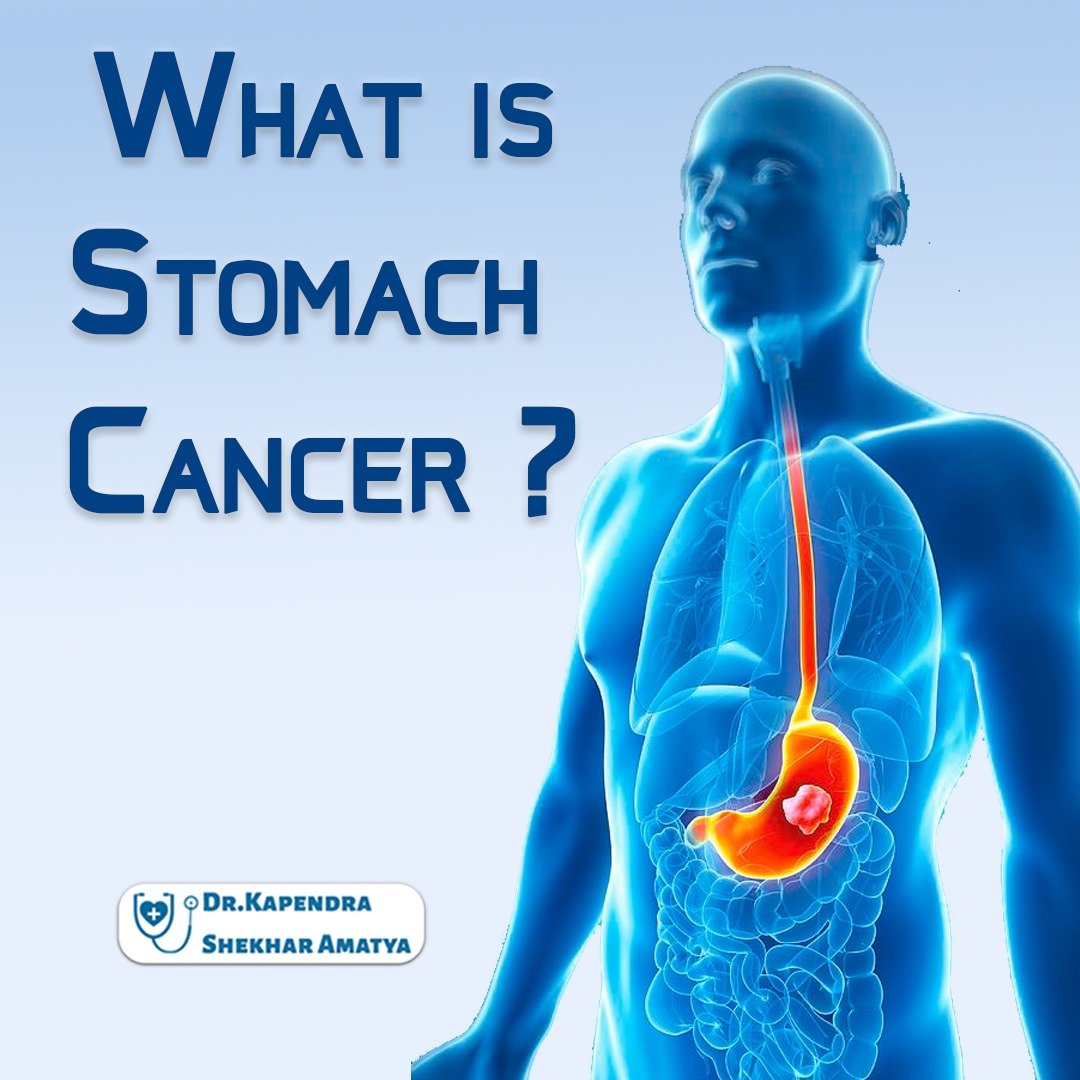
During the development of stomach cancer, cancer cells form within the stomach lining. Tumors can be formed from these cells. The disease, also known as gastric cancer, grows slowly over time. The late 60s and early 80s are the most common age range for stomach cancer. The glandular tissue lining the stomach is the most common site for it. Cancerous cells may be shed into the lymphatic system or the bloodstream from the tumor. The tumor may grow along the stomach wall or it may grow directly through the wall. When cancer spreads beyond the stomach, it can affect other organs as well. Causes of Stomach Cancer: The exact cause of cancerous cells growing in the stomach is unknown to scientists. Nevertheless, some factors can increase your risk. The most common cause of ulcers is infection with the bacteria H pylori. Your chances of getting cancer are also increased by intestinal inflammation called gastritis, long-term anemia called pernicious anemia, and growths in the stomach called polyps. Types of Stomach Cancer: The different layers of the stomach are gradually penetrated by stomach cancer. The staging process determines how serious the cancer is and how best to treat it based on how far it has spread within the stomach wall. Stomach cancer can be classified into several types: • Adenocarcinomas • Gastrointestinal stromal tumors • Neuroendocrine tumors • Lymphomas Adenocarcinomas: In most cases, stomach cancer is an adenocarcinoma. In the innermost lining of the stomach, these cancers are caused by gland cells. In most cases when stomach cancer is diagnosed, it is an adenocarcinoma. Adenocarcinomas of the stomach can be classified into two main types: • The intestinal type • The diffuse type Gastrointestinal stromal tumors: Interstitial cells of Cajal play a crucial role in the formation of these uncommon tumors in the stomach’s wall. Some GISTs are more likely to spread outside the body or to grow in other areas. The majority of GISTs start in the stomach, but they can begin anywhere in the digestive tract. Neuroendocrine tumors: Cells within the stomach or other parts of the digestive tract can cause neuroendocrine tumors, which act in some ways like nerves and others like hormone-producing cells. Some NETs can grow quickly and spread to other organs, while others grow slowly and don’t spread. Lymphomas: Lymphocytes, which are cells of the immune system, are the origin of these cancers. There is a possibility that lymphomas can begin in the stomach wall because they usually begin in other parts of the body. Treatments and outlooks for lymphomas differ depending on their type. Signs & Symptoms of Stomach Cancer: It is often difficult to recognize stomach cancer in the early stages because many of its symptoms are similar to those of less serious conditions. The following symptoms are present in the early stages: • Having an ongoing digestive issue • Burping and trapped wind • Burning sensations • Feeling full after eating very quickly • After eating, feeling bloated • Sickness • An uncomfortable feeling in your stomach or breastbone • Swallowing difficulties • Vomiting. The following are symptoms of more advanced stomach cancer: • Stools that are black or have blood in them • A lack of appetite • Reduction in weight • Feeling tired • Stomach lumpiness and swelling • Anemia • The whites of the eyes and skin become yellow. Risk Factors of Stomach Cancer: You might develop cancerous cells in your stomach if you are exposed to certain factors. The following diseases and conditions may increase your risk of developing these diseases and conditions: • Infections caused by H. pylori • A tumor in another part of the digestive system • Having polyps in your stomach • Genetic syndromes inherited from parents. You can develop stomach cancer regardless of your medical history, but certain lifestyle factors can also increase your risk. The following factors may increase your risk of stomach cancer: • Consume a lot of salty or processed foods • Regularly eat meat • Eat fruit rarely or never • Consume a lot of alcohol • Don’t exercise enough • Smoking • Cook or store food improperly Preventive Measures for Stomach Cancer: There is no way to prevent stomach cancer on its own. You can, however, reduce your chances of developing any cancer by: • Weight maintenance • Maintaining a balanced diet • Drinking in moderation • Don’t smoke • Regular exercise. There are some cases in which doctors prescribe medications that can reduce the risk of stomach cancer. Patients who have a precancerous condition or who suffer from other diseases that are also treated with this medication are usually prescribed this treatment. Diagnosis of Stomach Cancer: A gastroenterology appointment includes a thorough physical examination, blood and stool samples, and detailed questions about your health. A clinical decision will be guided by these details, which provide many important details to your doctor. Imaging tests may be requested by your doctor, including:  • PET scans • Upper gastrointestinal endoscopy • Endoscopic ultrasound. PET scans:  Nuclear medicine procedure PET measures the metabolic activity of body tissues by measuring the emission of positrons. Nuclear medicine and biochemistry are combined in PET. It is possible to visualize biochemical changes that are occurring within the body, such as heart muscle metabolism, using PET imaging in patients suffering from brain or heart disease. Upper gastrointestinal endoscopy: Your upper GI tract is examined by an upper GI endoscopy, also known as an EGD. You have the first part of your small intestine and your food pipe in your upper GI tract. Endoscopes are long, flexible tubes used for this procedure. One end of the tube has a small light and video camera. Tubes are inserted into mouths and throats. Once it reaches the duodenum, it is slowly pushed through the esophagus and stomach. Monitors display video images from the tube. Endoscopic ultrasound:  With this test, an endoscope is used with an ultrasound probe, which generates sound waves to create images of your digestive tract. Especially … Read more

Causes of Colorectal Cancer and Preventive Measures:

Causes of Colorectal Cancer and Preventive Measures

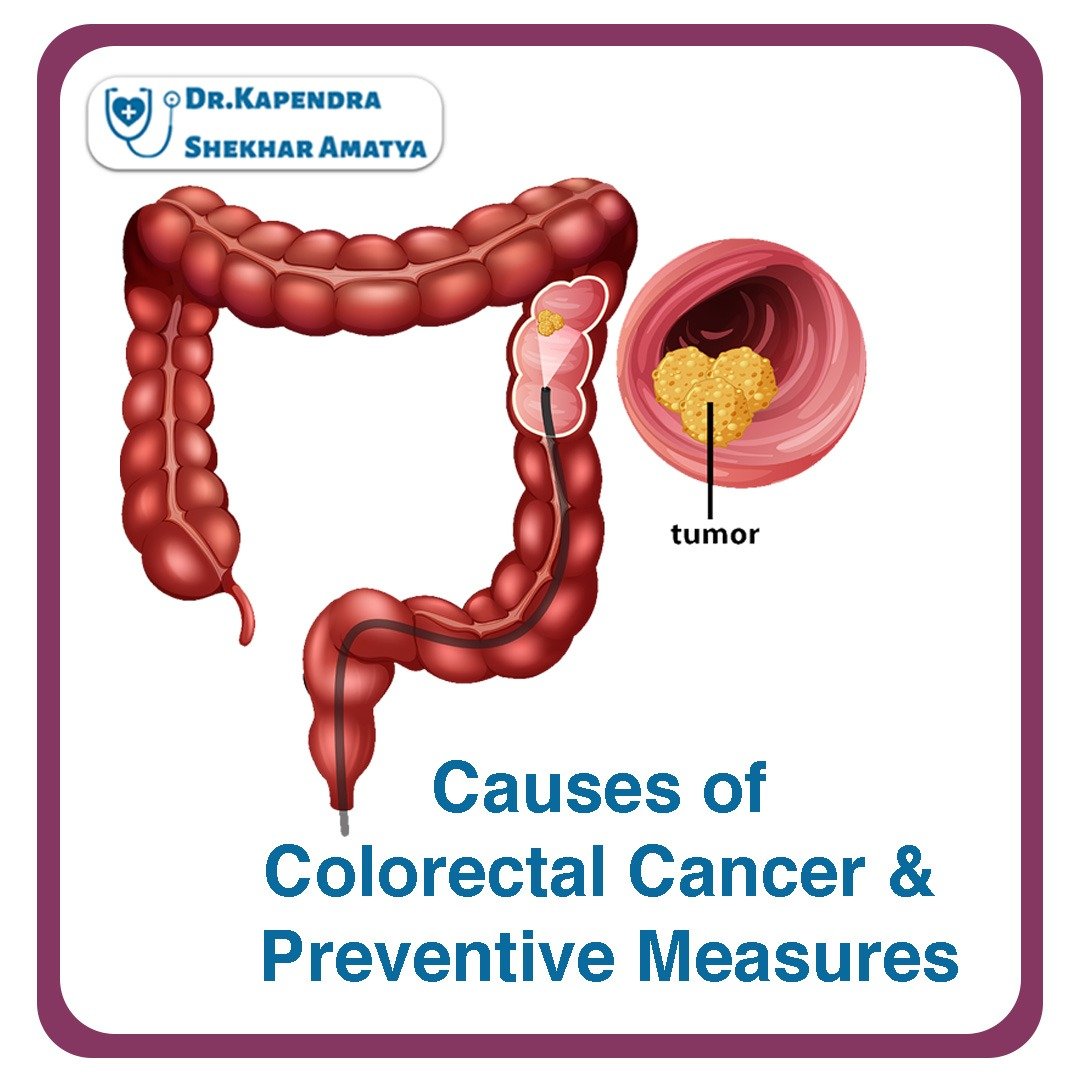
(colorectal cancer) कोलोरेक्टल क्यान्सर एक प्रकारको क्यान्सर हो जुन colon (ठूलो आन्द्रा) र rectum (मलाशय)मा हुन्छ। कोलोरेक्टल क्यान्सर प्रायः गैर-क्यान्सर polyps (कोशिकाहरूको झुण्डहरू)को रूपमा सुरु हुन्छ, जुन केही अवस्थामा क्यान्सरमा परिणत हुन सक्छ। को लो रेक्टल क्यान्सरको जोखिममा यो गदान दिन सक्ने कारकहरू . This is a type of stomach cancer. Causes of colorectal cancer: – नियमित शारीरिक गतिविधिको कमी (physical activities) – फलफूल र तरकारी कम भएको आहार (diet less in fruits and vegetables) – कम फाइबर र धेरै चिल्लो वा धेरै प्रशोधित मासु भएको आहार (High fat, processed meat and low fiber diets) – अधिक तौल र मोटोपना (obesity) – रक्सिको अधिक सेवन (excessive alcohol consumption) – धुम्रपान (Smoking tobacco products) – बढ्दो उमेर (Old age) – Chronic inflammation अवस्थाहरू, जस्तै Crohn’s disease र ulcerative colitis तपाईं कसरी कोलोरेक्टल क्यान्सर हुनबाट बच्न सक्नुहुन्छ (Preventive measures for colorectal cancer)? – यदि तपाईं 50 वर्ष भन्दा माथि हुनुहुन्छ वा बढ्दो जोखिममा हुनुहुन्छ भने नियमित रूपमा जाँच गर्नुहोस्। (Regular checkups for people over the age of 50) – फलफूल, सागसब्जी र whole grain प्रशस्त मात्रामा भएको आहार लिनुहोस्। (Fruits, vegetables and whole grain diets) – रातो वा प्रशोधित मासुको सट्टा कुखुरा, माछा, वा फलफूलबाट प्रोटीन प्राप्त गर्नुहोस्। (Protein rich chicken meat, fish and fruits, avoid processed meat and red meat) – धुम्रपान नगर्नुहोस्। (Stop consuming tobacco products) – संयमतामा रक्सी पिउनुहोस्। (Lower alcohol intake) – एक स्वस्थ वजन कायम राख्नुहो ख्नु स्। (Healthy body weight) – नियमित रूपमा व्यायाम गर्नुहोस् (कम्तीमा ३० मिनेट हप्ताको ५ दिन) (Regular exercise) Symptoms of colorectal cancer: – मलद्वारमा रक्तस्राव (rectal bleeding) वा दिशामा रगत देखिनु (blood in stool) – अस्पष्ट वजन घट्नु (weight loss) – पखाला (diarrhea), कब्जियत (constipation), वा अन्य आन्द्रा परिवर्तनहरू जुन कम्तिमा चार हप्ता सम्म रहन्छ – लामो समयसम्म पेटमा दुखाइ (chronic stomach ache), जस्तै cramp – कमजोरी र थकान (loss of stamina and fatigue) – तल्लो पेटमा असहज महसुस हुनु (discomfort on lower belly) प्रारम्भि क चरणको को लो रेक्टल क्यान्सरमा कुनै लक्षणहरू हुँदैनन्। तसर्थ, यदि तपा ईं 50 वर्ष भन्दा मा थि को हुनुहुन्छ वा बढ्दो जो खि ममा हुनुहुन्छ भने नि यमि त रूपमा जाँ च गर्नुपर्छ। स्क्रिनिङ परी क्षणहरूले (screening test) पो लि प्स (polyps) पत्ता लगा उन सक्छ र ति नी हरू क्यान्सरमा परि णत हुनु अघि नै हटाउन सकि न्छ। स्क्रि नि ङले प्रा रम्भि क चरणमा को लो रेक्टल क्यान्सर पत्ता लगाउन मद्दत गर्दछ जसले रा म्रो उपचार गर्न पनि मद्दत गर्छ। धेरै फरक परी क्षणहरू छन् जसले को लो रेक्टल क्यान्सरको जाँ च गर्न मद्दत गर्न सक्छ। दिशा (स्टूल) परीक्षण (stool test): – Guaiac-based fecal occult blood test (gFOBT): यसले दिशामा रगत पत्ता लगाउन guaiac भन्ने रसायन प्रयोग गर्दछ। यसको लागि तपाईंले labबाट एउटा किट पाउनुहुनेछ, घरमा दिशा सङ्कलन गर्नुपर्ने हुन्छ, त्यसपछि विश्लेषणको लागि सो किट labमा फिर्तागर्नुपर्छ। यो वर्षमा एक पटक गरिन्छ। – Fecal immunochemical test (FIT): यसले दिसामा रगत पत्ता लगाउन एन्टिबडीहरू प्रयोग गर्छ। यो पनि वर्षमा एक पटक गरिन्छ। FIT-DNA परीक्षण (जसलाई स्टूल DNA परीक्षण पनि भनिन्छ): यसले FIT लाई परीक्षणसँग जोड्छ जसले स्टूलमा परिवर्तन भएको DNA पत्ता लगाउँछ। यस परीक्षणको लागि, सम्पूर्ण मल सङ्कलन गर्नु पर्छ र यसलाई प्रयोगशालामा पठाउनु पर्छ, जहाँ यो क्यान्सर कोशिकाहरूको लागि जाँच गरिन्छ। यो हरेक तीन वर्षमा एक पटक गरिन्छ। – सिग्मोइडोस्कोपी (Sigmoidoscopy): यस परीक्षणको लागि, डाक्टरले मलाशय (rectum)मा छोटो, पातलो, लचिलो, उज्यालो ट्यूब राख्छन् र मलाशय र कोलनको तल्लो तेस्रो भागमा पोलिप्स वा क्यान्सरको जाँच गर्छन्। यदि तपाइँ स्क्रिनिङको लागि सिग्मोइडोस्कोपी छनोट गर्नुहुन्छ भने, यो हरेक पाँच वर्षमा गर्नुपर्छ, वा तपाइँले प्रत्येक वर्ष फेकल इम्युनोकेमिकल परीक्षण लिनुहुन्छ भने प्रत्येक दस वर्षमा गर्नुपर्छ। – कोलोनोस्कोपी (colonscopy): ५० देखि ७५ वर्षको उमेरका र कोलोरेक्टल क्यान्सरको सामान्य जोखिममा रहेका सबैले प्रत्येक दस वर्षमा कोलोनोस्कोपी गर्नुपर्छ। कोलोनोस्कोपीले डाक्टरले तपाईंको सम्पूर्ण colon हेर्न सक्छन् र पोलिप्स वा क्यान्सरको जाँच गर्छन्। आवश्यक पर्दाअन्य परीक्षणहरूको फलो-अपको रूपमा पनि कोलोनोस्कोपी प्रयोग गरिन्छ। FAQ: MS (NMC Regd.2902) Dr.Kapendra Shekhar Amatya Head of the Department, Sr.Consultant Surgical Oncologist at Nepal Cancer Hospital and Research Center Director: Breast Cancer Program Interest: Breast Cancer Surgery, Gastro Intestinal Cancer Surgery (Stomach and Colo-Rectal Cancer) Consult now
Everything You Should Know About Mastectomy:

Mastectomy

During a mastectomy, a breast and surrounding tissues are surgically removed. In the past, breast cancer was treated with a radical mastectomy, which involved removing the entire breast, the lymph nodes under the arm, and some muscles underneath the breast. Surgical advances, however, have made it possible for people to have more choices. Many women can undergo breast-conserving treatments that are less invasive. You should consider several factors before choosing a type of mastectomy, including: • An individual’s age • The general health of an individual • A woman’s menopause status • The size of the tumor • The extent of the tumor’s spread • The aggressiveness of the tumor • Status of the tumor’s hormone receptors • The involvement of lymph nodes. Why Mastectomy? In cases of breast cancer or a high risk of developing it, a mastectomy is used to remove all breast tissue. Mastectomy can be done unilaterally or bilaterally to remove one or both breasts. Breast cancer may be treated with a mastectomy instead of a lumpectomy and radiation if: • Breasts with two or more tumors. • A breast biopsy revealed widespread calcium deposits that appear malignant in your breast. • A previous radiation treatment to the breast region resulted in a recurrence of breast cancer. • When you’re pregnant, radiation puts your unborn child at risk. • cancer has been removed from the breast after a lumpectomy, but it remains at the edges of the operated area. There is a concern that cancer has spread to other parts of the breast as well. • It is likely that you will develop a second breast cancer if you carry a gene mutation. • As a percentage of your breast size, the tumor is large. An acceptable cosmetic result may not be possible after a lumpectomy due to insufficient healthy tissue remaining. • The side effects of radiation to the skin may not be tolerated by patients with connective tissue diseases, such as scleroderma or lupus. Types of Mastectomy:  Based on the method and extent of tissue removal, mastectomies are classified into different types. They are as follows: Simple Mastectomy:  Surgery to reduce the breast involves removing the entire milk duct and pectoralis major fascia, along with the nipple and areola. In some cases, a sentinel lymph node biopsy may involve the removal of a few underarm lymph nodes. A majority of women can return home the next day if they are hospitalized. Modified Radical Mastectomy:  There is a complete removal of the breast. There are three parts to the chest lining: the nipple, the areola, and the overlying skin. Additionally, some lymph nodes are removed under the arm. These lymph nodes are often affected by breast cancer. There is a possibility of it spreading to other parts of the body. Some patients have their chest wall muscles removed as well. Radical:  In addition to the nipple, the areola, and the overlying skin, lymph nodes are removed under the arm. The chest muscles are also removed under the breast. Historically, this has been the standard surgery. However, it is rarely practiced today. Occasionally, breast cancer spreads to the chest muscles and this treatment is advised. Skin-sparing:  There is a removal of breast tissue, the nipple, and the areola. There is, however, a significant amount of skin left over the breast. There is no evidence that this type of surgery works better than radical mastectomy. In the case of breast reconstruction following a mastectomy, this technique is only used. Large or near the surface of the skin tumors may not be appropriate for this method. Nipple-sparing: A similar procedure to the skin-sparing mastectomy is performed here. Some people refer to it as a total skin-sparing mastectomy. It involves removing the entire breast, including the ducts that run from the nipple to the areola. However, the skin of the nipple and areola remains intact. An expert called a pathologist carefully cuts away the tissue around the nipple and areola. There is a possibility of saving the nipple and areola if no cancer cells are found nearby. It is not recommended to use this method in any other case. After a mastectomy, reconstruction is performed. Who Should Get Mastectomy?: Breast conservation surgery (BCS) is a common option for women with early-stage cancer. A mastectomy may be your best option for removing all cancer as soon as possible. Nevertheless, mastectomy is not more likely to improve long-term survival than BCS in most cases. The outcome of BCS in conjunction with radiation has been shown in hundreds of studies over the past two decades to be similar to that of a mastectomy. You might need a mastectomy if you: • Ineligible for radiation therapy • A more extensive surgery would be preferred instead of radiation therapy • An enlarged tumor, or a tumor larger than your breast size, of more than 5 cm (2 inches) in diameter • Having inflammatory breast cancer. Risk Factors for Mastectomy: During any surgery, there is a possibility of bleeding and infection at the site. There might be a variety of side effects associated with different types of mastectomy. The following factors can increase your risk: • Tenderness or pain following surgery • The area around the surgery site is swollen • Blood accumulating in the wound • An accumulation of clear fluid in the wound • A limited range of motion in the arms or shoulders • Upper arm or chest numbness • The chest wall, armpits, and/or arm are painful and don’t go away after a while • Lymphedema may result from removing axillary lymph nodes as well. Consulting with Doctor for Mastectomy Surgery: Before beginning your mastectomy procedure, you must have a thorough talk with your oncologist. You can either talk with a surgical oncologist or a medical oncologist who will tell you everything in detail about your surgery. The breast cancer oncologist will additionally help you with everything possible during the entire surgical procedure. Your breast cancer treating doctor can also … Read more

Male Breast Cancer in Nepal

Possible Risk Factors For Male Breast Cancer

Women are most likely to develop breast cancer, but men can also develop the disease. Men account for about 1 out of every 100 cases of breast cancer diagnosed. Male breast cancer are similar to female breast cancers. • Invasive ductal carcinoma Initially, cancer cells grow inside the ducts, then they spread to other parts of the breast. The spread of cancer cells to other parts of the body is also possible with invasive cancer cells. • Invasive lobular carcinoma It is believed that cancer cells begin in the lobules of the breast, and then spread to the nearby breast tissues. Besides spreading to other parts of the body, these cells can also be invasive. • Ductal carcinoma in situ Invasive breast cancer may occur as a result of DCIS. Only the duct’s lining is affected by the cancerous cells; no other breast tissues have been affected. Symptoms of Male Breast Cancer: Men who have breast cancer typically develop a lump in their breasts and affected areas may also include the nipple and skin. Breast lump: It is common for cancerous breast lumps to: • Only occurs in one breast • The growths occur around or under the nipple • No pain is felt • Have a hard, rubbery feel • Movements within the breast are not possible • A bumpy feeling rather than smoothness • Become larger over time It is not uncommon for lumps and swellings to be signs of cancer. Most of the time, they are caused by harmless things like enlarged male breast tissue, fatty lumps, or fluid-filled bumps. You can consult a GP if you suspect breast cancer and receive testing and scans. Other symptoms: Men with breast cancer may also show the following symptoms: • An inward-facing nipple • Nipple fluid streaked with blood, which may ooze out of the nipple • Continual sores or rashes around the nipple • Hardening, reddening, or swelling of the nipple or surrounding skin • Several small bumps under the armpit cancer may cause further symptoms if it spreads to the bones, lungs, or liver. Several symptoms can be experienced, including: • Having a constant feeling of fatigue • Bone pain or aches • Breathing difficulties • Sickness • An itchy skin condition with skin and eyes yellow. When to Consult a Breast Cancer Doctor? Consult your doctor if you have: • The presence of a lump in the breast • Symptoms that may be concerning, such as nipple discharge • Have family members with breast cancer (men or women) and are concerned about your chances. It’s important to get your symptoms checked even if you don’t think you have cancer. Breast cancer tests and scans can be referred to your GP if necessary. Your GP may refer you to a genetic specialist if you do not show any symptoms of breast cancer but have a family history of the disease. Blood tests can be performed to check for inherited genes that increase cancer risk. You can consult with your surgical oncologist to know more details about the condition. The breast cancer oncologist will then explain everything to you in detail. Also, the breast cancer treating doctor will help you in each phase of your treatment procedure. As per the top surgical oncologist in Nepal Dr. Kapendra Shekhar Amatya, it is best suggested to consult with your oncologist as soon as possible. It will hence help to get the best treatment in the given time. Causes for Male Breast Cancer: Male breast cancer is not known to be caused by any specific factor. Some breast cells divide rapidly in male breast cancer, causing the disease. During this process, accumulating cells form tumors that can spread to other parts of the body, such as lymph nodes and nearby tissues. The origin of breast cancer in men: Breast tissue is a natural part of every human being. Breast tissue consists of glands that produce milk and ducts that transport the milk to the nipples. When women reach puberty, their breast tissue begins to increase, while men do not. Men can, however, develop breast cancer due to a limited supply of breast tissue at birth. Breast cancer risk genes inherited from parents: Breast cancer risks are increased in some men due to abnormal genes inherited from their parents. Breast and prostate cancers are more likely to develop if you have mutations in certain genes, especially BRCA2. Your doctor should be informed if your family has a history of cancer. To find out if you carry genes that increase your risk of cancer, your doctor may recommend that you meet with a genetic counselor. Possible Risk Factors for Male Breast Cancer: Breast cancer is more likely to develop in men due to a variety of factors. Although these factors are important for predicting breast cancer in men, many do not have them. Growing older:  As you get older, you are more likely to develop male breast cancer. Breast cancer is most commonly diagnosed in men over the age of 67. There is a possibility of breast cancer developing in young men as well. Family history of breast cancer: Having a close relative with breast cancer, especially a male relative, increases a man’s risk for breast cancer. Get all the information about your relative’s condition and know whether or not you’re at risk of having male breast cancer. Genetic mutations: Among men, certain genetic mutations are associated with an increased risk of breast cancer. Breast cancer is about a 1% risk for men who inherit the BRCA1 mutation over the course of their lifetime, compared to a 0.1% risk for men without such a mutation. There is a 7% to 8% chance of contracting cancer if a man inherits a BRCA2 mutation. High estrogen levels: Estrogen and testosterone can be thought of as female and male hormones, respectively. Despite what many people believe, both testosterone and estrogen are present at different levels in the bodies of men and women. In men, estrogen … Read more

Don’t miss any of these symptoms for gall bladder cancer (पित्त थैली को क्यान्सरका लक्षणहरू)

पित्त थैलीको क्यान्सरले (gall bladder cancer) प्रारम्भिक स्टेजमा कुनै (symptoms) लक्षण नदेखाउन सक्छ। जब यो पत्ता लाग्छ तब ट्यूमर नजिकैका अंगहरू र लिम्फ नोडहरूमा वा शरीरको अन्य भागहरूमा फैलिएको हुन सक्छ। यसका लक्षणहरू (Symptoms of gall bladder cancer) यस्ता हुनसक्छन्: – पेटको माथिल्लो दायाँ भागमा दुखाइ ( Stomach Pain) – पित्त नलीको अवरोधबाट बिलिरुबिनको level उच्च हुन जान्छ जसको – कारणले जन्डिस (Jaundice) (छाला र आँखाको सेतो भाग पहेंलो हें हुनु) देखिनु। – छाला चिलाउनु, पिसाब गाढा पहेंलो हें हुनु र सामान्य भन्दा दिसा फरक हुनु। (yellow urine, skin problem) – भोक नलाग्नु वा बिना कारण तौल घट्ने। – पित्त नली अवरुद्ध भएर पित्त थैली ठूलो हुँदा वा क्यान्सर कलेजोमा फैलिँदा माथिल्लो दाहिने पेटमा गाँठो महशुश हुनु। – वाकवाकी लाग्नु र उल्टी हुनु। (vomiting) – पेट फुल्नु। (stomach swelling) – ज्वरो आउनु। (Fever) पि त्त थैली को क्यान्सरको उपचार (Treatment of gall bladder cancer) कस्ता हुन्छन्? Cholecystectomy पित्त थैलीको क्यान्सर भएको क्षेत्र हटाउन प्रयोग गरिने शल्यक्रिया हो। शल्यक्रिया गर्दापित्त थैली र वरपरका तन्तुहरू हटाइन्छ। केहि अवस्थामा कलेजोको केहि भाग पनि हटाउन सकिन्छ। शल्यक्रिया पछि, केमोथेरापी (chemotherapy) र विकिरण थेरापी (radiation therapy) बाँकी क्यान्सर कोशिकाहरूलाई मार्न प्रयोग गर्न सकिन्छ। पित्त थैलीको शल्यक्रियामा ल्याप्रोस्कोप (laparoscope) पनि प्रयोग गरिन्छ। ल्याप्रोस्कोपिक शल्यक्रिया गर्दा, ल्याप्रोस्कोपसँग जोडिएको क्यामेरालाई पेटमा चीरा पारेर छिराइन्छ। त्यसपछि सर्जिकल उपकरणहरू अन्य चिराहरू मार्फत छिराइन्छ। क्यान्सर फैलिएको र हटाउन नसकिने अवस्थामा निम्न प्रकारको palliative शल्यक्रिया गर्न सकिन्छ: Biliary bypass surgery सर्जरी: यो सर्जरी जब ट्युमरले सानो आन्द्रालाई रोक्छ र पित्त थैलीमा पित्त जम्मा हुन्छ तब गरिन्छ। शल्यक्रियाको क्रममा, पित्त थैली वा पित्त नली काटिन्छ र अवरुद्ध क्षेत्र वरिपरि नयाँ मार्ग बनाउनको लागि सानो आन्द्रामा जोडिन्छ। Endoscopic stent placement: जब पित्त नली ट्यूमर द्वारा अवरुद्ध हुन्छ तब Endoscopic stent राख्न सकिन्छ। यसले जम्मा भएको पित्तलाई निकासी गर्न मद्दत गर्छ। स्टेन्टहरू प्रायः क्याथेटरहरू मार्फत राखिन्छन् जुन शरीरको बाहिरी भागमा निस्कन्छ, वा अवरोध भएको भागको वरिपरि stent हालेर पित्तलाई सानो आन्द्रामा निकास गरिन्छ। FAQ Best Breast Cancer Diet-Tips and Tricks? MS (NMC Regd.2902) Dr.Kapendra Shekhar Amatya Head of the Department, Sr.Consultant Surgical Oncologist at Nepal Cancer Hospital and Research Center Director: Breast Cancer Program Interest: Breast Cancer Surgery, Gastro Intestinal Cancer Surgery (Stomach and Colo-Rectal Cancer) Consult now